1. Specifications Comparison
| Feature | Samsung Galaxy A05s | Xiaomi Redmi A3 | Practical Impact |
|---|---|---|---|
| Design | |||
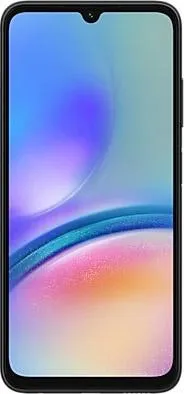
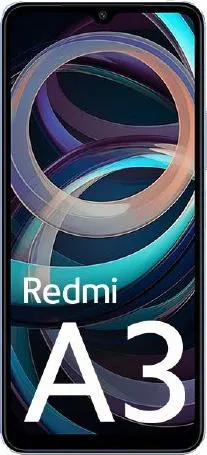
| Dimensions | 168x77.8x8.8mm | 168.3x76.3x8.3mm | Redmi A3 is slightly thinner and narrower. Negligible difference in daily use. |
| Weight | 194g | 193g | Virtually identical weight. |
| Build Materials | Not specified | Not specified | Cannot compare build quality and durability without more information. |
| Display | |||
| Size | 6.7" | 6.71" | Negligible difference in screen real estate. |
| Type | PLS LCD, 90Hz | IPS LCD, 90Hz | Both offer smooth scrolling due to 90Hz refresh rate. PLS LCD generally offers slightly better color accuracy and viewing angles than IPS. |
| Resolution | 1080x2400 (FHD+) | 720x1650 (HD+) | A05s has a significantly sharper display, resulting in clearer text and images. Redmi A3's lower resolution will be noticeable. |
| Pixel Density | 393 ppi | 268 ppi | A05s offers much sharper visuals; Redmi A3's display will appear pixelated in comparison. |
| Brightness | Not specified | 500 nits (HBM) | Redmi A3's specified peak brightness suggests better outdoor visibility. However, without A05s' peak brightness, a definitive comparison is impossible. |
| Performance | |||
| Chipset | Snapdragon 680 4G (6nm) | Helio G36 (12nm) | Snapdragon 680 offers significantly better performance and efficiency due to its superior architecture and smaller manufacturing process. |
| CPU | Octa-core (4x2.4 GHz & 4x1.9 GHz) | Octa-core (4x2.2 GHz & 4x1.6 GHz) | A05s has a faster CPU, resulting in smoother multitasking and app loading. |
| GPU | Adreno 610 | PowerVR GE8320 | Adreno 610 provides better gaming performance and graphics rendering compared to the PowerVR GE8320. |
| RAM/Storage | 128GB/4GB, 128GB/6GB | 128GB/4GB, 128GB/6GB | Both offer similar RAM and storage options. |
| Battery | |||
| Capacity | 5000 mAh | 5000 mAh | Identical battery capacity suggests similar potential battery life. However, real-world usage will depend on software optimization and individual usage patterns. |
| Other | |||
| OS | Android 13 | Android 14 | Redmi A3 ships with a newer Android version, potentially offering newer features and longer software support. |
| NFC | Yes | Yes | Both support contactless payments. |
| Video Recording | 1080p@30/60fps | 1080p@30fps | A05s offers 60fps recording for smoother video. |
2. Key Differences Analysis
Samsung Galaxy A05s Advantages:
- Significantly better performance: The Snapdragon 680 and Adreno 610 offer a smoother user experience, especially for gaming and demanding tasks.
- Much sharper display: The FHD+ resolution provides noticeably clearer visuals.
- Potentially better battery life: While battery capacity is the same, the more efficient chipset in the A05s may result in longer usage time.
- 60fps video recording: Smoother video capture compared to Redmi A3's 30fps.
Xiaomi Redmi A3 Advantages:
- Lower price: Positioned in the "low price" range, it offers greater affordability.
- Newer Android version: Android 14 may provide longer software support and access to newer features.
- Slightly thinner and lighter: Although the difference is minimal in practice.
3. User Profiles & Recommendations
Samsung Galaxy A05s: Users who prioritize performance, a sharp display, and overall smoother user experience. Suitable for gaming, media consumption, and multitasking.
Xiaomi Redmi A3: Budget-conscious users who prioritize affordability over top-tier performance. Suitable for basic tasks like calling, messaging, web browsing, and casual social media use.
4. Decision Framework
Key Questions:
- What is your budget? If price is the primary concern, the Redmi A3 is the more affordable option.
- What are your primary smartphone usage patterns? For demanding tasks and media consumption, the A05s is superior. For basic use, the Redmi A3 may suffice.
- How important is display quality? The A05s' sharper display is a significant advantage for those who value visual clarity.
My Choice: Samsung Galaxy A05s
While the Redmi A3 offers a compelling price point, the significantly better performance and display of the Galaxy A05s make it the clear winner for me. The Snapdragon 680 provides a noticeably smoother experience, and the FHD+ resolution is crucial for comfortable media consumption and everyday use. The slightly higher price of the A05s is justified by the substantial improvement in user experience. The newer Android version on the Redmi A3 is a plus, but it doesn't outweigh the performance and display advantages of the A05s. I value a responsive and visually appealing experience, and the A05s delivers that more effectively.
