1. Specifications Comparison
| Feature | Samsung Galaxy A05s | Xiaomi Redmi 14C | Practical Impact |
|---|---|---|---|
| Design | |||
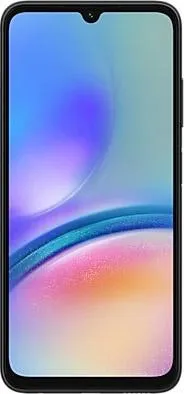
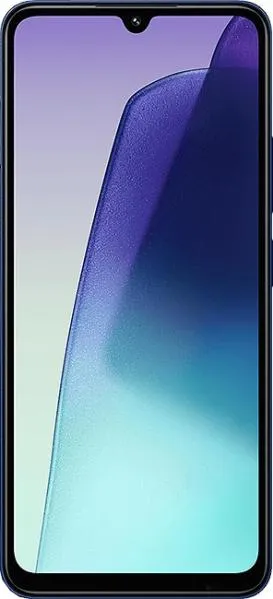
| Dimensions | 168x77.8x8.8mm | 171.9x77.8x8.2mm | Redmi 14C is slightly taller and thinner. Negligible difference in width. |
| Weight | 194g | 211g | Redmi 14C is noticeably heavier, potentially impacting one-handed use. |
| Display | |||
| Size | 6.7" | 6.88" | Redmi 14C has a slightly larger screen, providing more screen real estate. |
| Type | PLS LCD, 90Hz | IPS LCD, 120Hz, 450 nits (typ), 600 nits (HBM) | Redmi 14C has a higher refresh rate for smoother scrolling and animations, and higher peak brightness for better outdoor visibility. PLS LCD generally offers slightly better color accuracy than IPS. |
| Resolution | 1080x2400 (FHD+) | 720x1640 (HD+) | A05s has a significantly sharper display due to higher resolution. Redmi's lower resolution may result in pixelation. |
| PPI | 393 | 260 | A05s offers a much sharper image due to the higher pixel density. |
| Performance | |||
| Chipset | Snapdragon 680 4G (6nm) | Mediatek Helio G81 Ultra | Performance differences likely negligible for everyday tasks. Gaming performance may slightly favor the Helio G81 Ultra. |
| CPU | Octa-core (4x2.4 GHz & 4x1.9 GHz) | Octa-core (2x2.0 GHz & 6x1.8 GHz) | Similar CPU configurations, though architectural differences may result in minor performance variations. |
| GPU | Adreno 610 | Mali-G52 MC2 | Adreno 610 generally offers better gaming performance and efficiency compared to Mali-G52 MC2. |
| RAM/Storage | 128GB/4GB, 128GB/6GB | 128GB/6GB, 128GB/8GB | Redmi 14C offers a higher RAM option (8GB) for better multitasking. |
| Battery | |||
| Capacity | 5000 mAh | 5160 mAh | Redmi 14C has a slightly larger battery, but real-world battery life depends on other factors like display and software optimization. |
| Other | |||
| OS | Android 13 | Android 14 | Redmi 14C ships with a newer Android version, offering potential features and security updates. |
| NFC | Yes | Yes | Both support contactless payments. |
| Sensors | Accelerometer, Proximity, Fingerprint (side) | Accelerometer, Compass, Fingerprint (side) | Redmi 14C adds a compass. Practical impact is minimal for most users. |
| Video Recording | 1080p@30/60fps | 1080p@30fps | A05s offers 60fps recording for smoother videos. |
2. Key Differences Analysis
Samsung Galaxy A05s Advantages:
- Sharper Display: Significantly higher resolution and PPI.
- Smoother Video Recording: Offers 1080p at 60fps.
- Potentially Better GPU: Adreno 610 generally outperforms Mali-G52 MC2.
Xiaomi Redmi 14C Advantages:
- Higher Refresh Rate: 120Hz for smoother UI experience.
- Larger Battery: Slightly larger capacity.
- More RAM: Offers an 8GB RAM option.
- Newer Android Version: Ships with Android 14.
- Brighter Display: Better outdoor visibility.
Trade-offs:
- Redmi 14C: Lower resolution display for a larger screen and higher refresh rate. Heavier.
- A05s: Lower refresh rate and RAM options compared to the Redmi 14C.
3. User Profiles & Recommendations
Samsung Galaxy A05s: Users prioritizing display sharpness and quality, along with smoother video recording. Suitable for media consumption and casual gaming.
Xiaomi Redmi 14C: Users prioritizing a smooth user interface, larger battery, and latest Android features. Suitable for multitasking, general use, and users sensitive to price differences.
4. Decision Framework
Key Questions:
- Is display sharpness a priority? If yes, A05s is the clear winner.
- How important is a smooth user interface? 120Hz on the Redmi 14C will be noticeably smoother.
- What is your budget? Consider the price difference between RAM/storage variants.
Scenario-based Recommendations:
- Limited Budget, General Use: Redmi 14C offers good value.
- Media Consumption, Casual Gaming: A05s provides a better visual experience.
My Choice: Samsung Galaxy A05s
While the Redmi 14C offers a smoother UI and larger battery, the significantly sharper display of the A05s is a deciding factor for me. I prioritize screen quality for media consumption and general use. The slightly better GPU in the A05s is also a plus. The trade-off of a lower refresh rate is acceptable considering the superior visual experience. The Redmi 14C's lower resolution would be a constant compromise I'd rather avoid.
