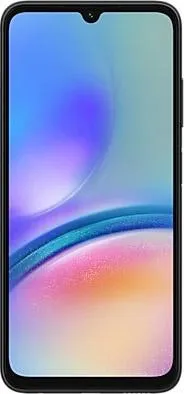
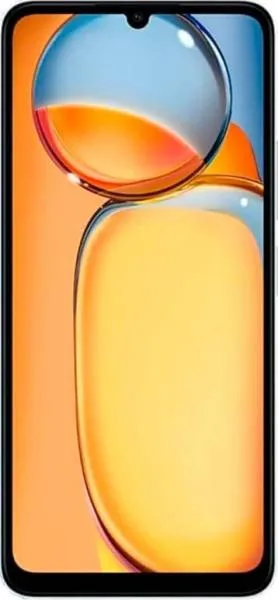
1. Specifications Comparison
| Feature | Samsung Galaxy A05s | Xiaomi Redmi 13C | Practical Impact |
|---|---|---|---|
| Design | |||
| Dimensions | 168x77.8x8.8mm | 168x78x8.1mm | Virtually identical in size and hand feel. |
| Weight | 194g | 192g | Negligible weight difference. |
| Display | |||
| Size | 6.7" | 6.74" | Redmi 13C has a slightly larger screen. |
| Type | PLS LCD, 90Hz | IPS LCD, 90Hz | Both offer smooth scrolling, but PLS LCD generally offers better color accuracy and viewing angles than IPS. |
| Resolution | 1080x2400 | 720x1600 | A05s has a significantly sharper display, resulting in clearer text and images. |
| PPI | 393 | 260 | Noticeably lower pixel density on the Redmi 13C may result in pixelation. |
| Brightness (Peak) | Not specified | 600 nits (HBM) | Redmi 13C's specified peak brightness ensures better visibility in direct sunlight, though typical brightness is lower at 450 nits. A05s peak brightness is unknown. |
| Performance | |||
| Chipset | Snapdragon 680 4G (6nm) | Helio G85 (12nm) | Snapdragon 680 generally provides better performance and power efficiency due to the smaller manufacturing process. |
| CPU | Octa-core (4x2.4 GHz & 4x1.9 GHz) | Octa-core (2x2.0 GHz & 6x1.8 GHz) | A05s likely has a performance advantage in demanding tasks. |
| GPU | Adreno 610 | Mali-G52 MC2 | Adreno 610 offers better gaming performance. |
| RAM/Storage | 128GB/4GB, 128GB/6GB | 128GB/6GB, 256GB/8GB | Redmi 13C offers a higher RAM and storage configuration option. |
| Camera | |||
| Video Capabilities | 1080p@30/60fps | 1080p@30fps | A05s offers 60fps video recording for smoother footage. Specific camera sensor details are missing for comparison. |
| Battery | |||
| Capacity | 5000 mAh | 5000 mAh | Similar battery capacity, but actual battery life depends on other factors like the display and chipset. |
| Other | |||
| OS | Android 13 | Android 13 | Both run the latest Android version. Future OS update support is unknown. |
| NFC | Yes | Yes | Both support contactless payments. |
| USB | USB Type-C 2.0 | USB Type-C 2.0 | Similar data transfer speeds. |
| Sensors | Accelerometer, Proximity, Fingerprint (side) | Accelerometer, Compass, Fingerprint (side) | Redmi 13C adds a compass. Practical differences are minimal. |
| Price Range | Medium | Low | Redmi 13C is expected to be more affordable. |
2. Key Differences Analysis
Samsung Galaxy A05s Advantages:
- Sharper Display: Significantly higher resolution for clearer visuals.
- Better Performance: More powerful and efficient chipset for smoother multitasking and gaming.
- Smoother Video Recording: 60fps option for higher quality video.
- Potentially Better Color Accuracy: PLS LCD generally offers better color reproduction.
Xiaomi Redmi 13C Advantages:
- Larger Display: Slightly bigger screen size for more immersive content consumption.
- Higher Brightness in Sunlight (HBM): Better outdoor visibility at peak brightness.
- More RAM and Storage Options: Configurations with higher RAM and storage available.
- Lower Price: More budget-friendly option.
3. User Profiles & Recommendations
Samsung Galaxy A05s: Users who prioritize display quality, performance, and overall smoother user experience, and are willing to pay a bit more. Suitable for gaming, media consumption, and general use.
Xiaomi Redmi 13C: Budget-conscious users who prioritize a large screen and good battery life. Suitable for basic tasks like browsing, social media, and calling. Best for users who primarily use their phones outdoors in bright sunlight.
4. Decision Framework
Key Questions for Buyers:
- What is your budget? The Redmi 13C is a more affordable option.
- What is your primary use case? A05s for demanding tasks and media; Redmi 13C for basic use and outdoor visibility.
- How important is display quality? The A05s offers a significantly sharper and potentially more color-accurate display.
Scenario-Based Recommendations:
- Tight Budget, Basic Use: Redmi 13C
- Balanced Performance and Price: A05s
- Focus on Gaming and Media: A05s
My Choice: Samsung Galaxy A05s
While the Redmi 13C offers a larger display and lower price, the Samsung Galaxy A05s provides a significantly better overall user experience due to its sharper display, more powerful processor, and smoother video recording capabilities. The superior resolution alone makes a noticeable difference in daily use. The performance difference, thanks to the Snapdragon 680 and Adreno 610, will be significant for anything beyond very basic tasks. While the price difference exists, the A05s offers better long-term value due to its superior performance and display, which are crucial for a satisfying smartphone experience. The unknown peak brightness of the A05s is a concern, but the significantly sharper display is a key factor in my decision.
