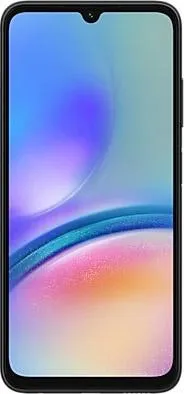

1. Specifications Comparison
| Feature | Samsung Galaxy A05s | Xiaomi Poco X6 Pro | Practical Impact |
|---|---|---|---|
| Design | |||
| Dimensions | 168x77.8x8.8mm | 160.5x74.3x8.3mm | Poco X6 Pro is slightly smaller and thinner, potentially improving one-handed use. |
| Weight | 194g | 186g | Poco X6 Pro is noticeably lighter, reducing hand fatigue during extended use. |
| Fingerprint Sensor | Side-mounted | Under-display | Preference-based; under-display is often perceived as more modern. |
| Display | |||
| Size | 6.7" | 6.67" | Negligible difference in screen real estate. |
| Type | PLS LCD, 90Hz | AMOLED, 120Hz, HDR10+, Dolby Vision | Poco X6 Pro offers superior contrast, vibrant colors, smoother scrolling, and HDR support for richer media consumption. |
| Resolution | 1080x2400 | 1220x2712 | Poco X6 Pro boasts sharper visuals due to higher resolution and pixel density (446 vs 393 ppi). |
| Peak Brightness | Not specified | 1800 nits | Poco X6 Pro's significantly higher peak brightness ensures excellent outdoor visibility. The lack of data for the A05s makes a direct comparison impossible. |
| Refresh Rate | 90Hz | 120Hz | Poco X6 Pro offers a smoother and more responsive user experience, especially in gaming and scrolling. |
| Performance | |||
| Chipset | Snapdragon 680 4G (6nm) | Dimensity 8300 Ultra (4nm) | Poco X6 Pro's more advanced and efficient chipset will deliver significantly better performance in demanding tasks and gaming. |
| CPU | Octa-core (4x2.4 GHz & 4x1.9 GHz) | Octa-core (1x3.35 GHz & 3x3.20 GHz & 4x2.20 GHz) | Poco X6 Pro's CPU architecture suggests superior processing power and speed compared to the A05s. |
| GPU | Adreno 610 | Mali G615-MC6 | Poco X6 Pro likely possesses stronger graphics processing capabilities, beneficial for gaming and visually intensive applications. Direct comparison is difficult without benchmarks. |
| RAM/Storage | 128GB/4GB, 128GB/6GB | 256GB/12GB, 512GB/12GB | Poco X6 Pro offers substantially more RAM and storage, enabling smoother multitasking and ample space for files and apps. |
| Battery | |||
| Capacity | 5000 mAh | 5000 mAh | Similar battery capacity; real-world battery life will depend on software optimization and usage patterns. |
| Software | |||
| OS | Android 13 | Android 14 | Poco X6 Pro ships with a newer Android version, offering potential feature and security advantages. It also boasts longer OS support (up to Android 17). |
2. Key Differences Analysis
Poco X6 Pro Advantages:
- Superior Display: AMOLED with HDR, higher resolution, brightness, and refresh rate translates to a vastly improved visual experience.
- Significantly Better Performance: The Dimensity 8300 Ultra outclasses the Snapdragon 680 in processing power and graphics capabilities.
- More RAM and Storage: Provides smoother multitasking and ample space for files.
- Newer Software with Longer Support: Android 14 with guaranteed updates to Android 17.
Samsung Galaxy A05s Advantages:
- Potentially Lower Price: While both are mid-range, the A05s might be priced lower due to its less powerful specifications.
Trade-offs:
- The A05s sacrifices performance and display quality for potential affordability.
- The Poco X6 Pro might be more expensive due to its higher-end features.
3. User Profiles & Recommendations
Samsung Galaxy A05s: Budget-conscious users prioritizing basic communication and light usage (browsing, social media).
Xiaomi Poco X6 Pro: Users who value performance, a premium display, and future-proof software, ideal for gaming, media consumption, and demanding tasks.
4. Decision Framework
Key Questions:
- What is your budget? The Poco X6 Pro likely commands a higher price.
- What are your primary smartphone uses? Basic tasks vs. demanding applications and gaming.
- How important is display quality and performance?
Scenario-Based Recommendations:
- Tight budget, basic usage: Samsung Galaxy A05s
- Balanced budget, desire for good performance and display: Xiaomi Poco X6 Pro
My Choice: Xiaomi Poco X6 Pro
The Poco X6 Pro offers a significant upgrade in almost every aspect compared to the Galaxy A05s, especially in display quality, performance, and future-proofing with software updates. While the price might be higher, the overall value proposition of the Poco X6 Pro is far more compelling for a user who desires a smooth, responsive, and visually engaging smartphone experience. The superior chipset, ample RAM, and stunning AMOLED display are key differentiators that justify the likely price difference. Even if the price difference is substantial, the long-term benefits of the Poco X6 Pro (performance, software updates) outweigh the initial cost for most users beyond those with the strictest budget constraints.
