1. Specifications Comparison
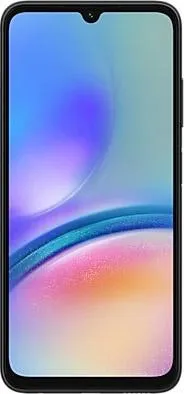
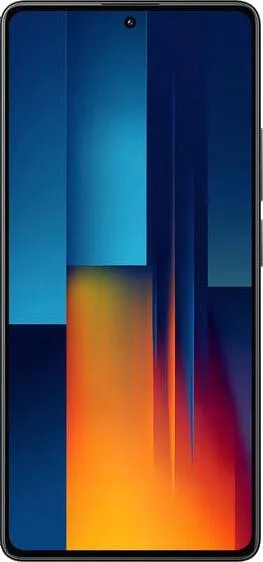
| Feature | Samsung Galaxy A05s | Xiaomi Poco M6 Pro | Practical Impact |
|---|---|---|---|
| Design | |||
| Dimensions | 168x77.8x8.8mm | 161.1x75x8mm | Poco M6 Pro is slightly smaller and potentially more pocketable. |
| Weight | 194g | 179g | Poco M6 Pro is noticeably lighter, improving one-handed use. |
| Fingerprint Sensor | Side-mounted | Under display | Preference-based; under-display often perceived as more modern. |
| Display | |||
| Display Type | PLS LCD, 90Hz | AMOLED, 120Hz | Poco M6 Pro offers superior contrast, deeper blacks, and smoother scrolling due to AMOLED and higher refresh rate. |
| Size | 6.7" | 6.67" | Negligible size difference. |
| Resolution | 1080x2400 | 1080x2400 | Identical resolution; sharpness should be similar. |
| Peak Brightness | Not specified | 1300 nits | Poco M6 Pro's significantly higher peak brightness ensures better outdoor visibility. Lack of data for the A05s prevents a complete comparison. |
| Performance | |||
| Chipset | Snapdragon 680 4G (6nm) | MediaTek Helio G99 Ultra | Helio G99 is generally considered a slightly faster chipset for everyday tasks and gaming. |
| CPU | Octa-core (4x2.4 GHz & 4x1.9 GHz) | Octa-core (2x2.2 GHz & 6x2.0 GHz) | Both offer decent performance for general use, but architectural differences may favor the Poco M6 Pro in certain tasks. More benchmarks are needed for a definitive conclusion. |
| GPU | Adreno 610 | Mali-G57 MC2 | Mali-G57 MC2 offers slightly better graphics performance for gaming. |
| RAM/Storage | 128GB/4GB, 128GB/6GB RAM | 512GB/12GB RAM | Poco M6 Pro offers significantly more RAM and storage, enabling smoother multitasking and ample space for apps and files. |
| Battery | |||
| Capacity | 5000 mAh | 5000 mAh | Identical battery capacity; real-world battery life depends on optimization and usage. |
| Other | |||
| OS | Android 13 | Android 13 | Both run on the latest Android version. |
| NFC | Yes | Yes | Both support contactless payments. |
| USB | USB Type-C 2.0 | USB Type-C 2.0, OTG | Poco M6 Pro supports On-The-Go (OTG) for connecting peripherals like USB drives. |
2. Key Differences Analysis
Samsung Galaxy A05s Advantages:
- Potentially more affordable (depending on specific market pricing).
Xiaomi Poco M6 Pro Advantages:
- Superior Display: AMOLED with 120Hz refresh rate provides a significantly better visual experience. Higher peak brightness ensures excellent outdoor readability.
- Faster Performance: More powerful chipset and significantly more RAM enable smoother multitasking and better gaming performance.
- Larger Storage: 512GB storage offers ample space for apps, photos, and videos.
- Lighter and Slightly Smaller: Improves handling and portability.
- OTG Support: Added functionality for connecting peripherals.
Trade-offs:
- Price: The Poco M6 Pro, with its superior specs, is likely to be more expensive.
- Software Experience: While both run Android 13, the specific UI and software features can differ, impacting user experience.
3. User Profiles & Recommendations
Samsung Galaxy A05s: Budget-conscious users who prioritize basic functionality and long battery life over high-end features. Suitable for casual usage like calling, texting, browsing, and social media.
Xiaomi Poco M6 Pro: Users who value performance, a premium display, and ample storage. Ideal for gamers, power users, and content creators.
4. Decision Framework
Key Questions:
- What is your budget? The A05s likely offers better value for a lower price.
- What are your primary use cases? For basic tasks, the A05s suffices. For demanding tasks and gaming, the Poco M6 Pro is superior.
- How important is display quality? The Poco M6 Pro's AMOLED display is a significant upgrade.
Scenario-Based Recommendations:
- Tight Budget, Basic Usage: Samsung Galaxy A05s
- Balanced Budget, Moderate Usage: Depends on pricing; compare value carefully.
- Performance and Display Priority: Xiaomi Poco M6 Pro
My Choice: Xiaomi Poco M6 Pro
While pricing information isn't available, the Poco M6 Pro offers a significant upgrade in key areas like display, performance, and storage. The AMOLED display with 120Hz, combined with the more powerful processor and ample RAM, makes for a much smoother and more enjoyable user experience. The larger storage capacity also future-proofs the device. Even if it comes at a premium, the Poco M6 Pro's superior features justify the potential price difference for my needs. The lighter weight is a bonus. I value a fluid and responsive user experience, making the Poco M6 Pro the clear winner for me.
