1. Specifications Comparison
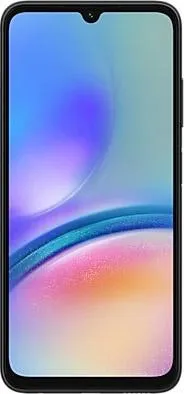
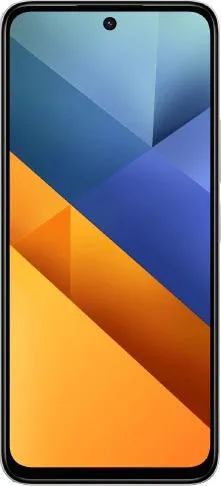
| Feature | Samsung Galaxy A05s | Xiaomi Poco M6 4G | Practical Impact |
|---|---|---|---|
| Design | |||
| Dimensions | 168x77.8x8.8mm | 168.6x76.3x8.3mm | Poco M6 4G is slightly thinner. Negligible difference in daily use. |
| Weight | 194g | 205g | Poco M6 4G is noticeably heavier, potentially impacting long-term comfort. |
| Build Materials | Not specified | Not specified | Cannot compare build quality and durability. |
| Display | |||
| Size | 6.7" | 6.79" | Poco M6 4G has a marginally larger screen, offering slightly more viewing area. |
| Type | PLS LCD, 90Hz | IPS LCD, 90Hz | Both are LCDs with the same refresh rate, resulting in similar visual fluidity. PLS LCD generally offers better outdoor visibility. |
| Resolution | 1080x2400 | 1080x2460 | Virtually identical resolutions; no discernible difference in sharpness. |
| Peak Brightness | Not specified | 550 nits (HBM) | Poco M6 4G's known peak brightness ensures better visibility in sunlight. A05s's unspecified brightness makes comparison impossible. |
| Performance | |||
| Chipset | Snapdragon 680 4G (6nm) | Helio G91 Ultra (12nm) | Snapdragon 680 is built on a more efficient process, potentially leading to better battery life. Helio G91 may offer slightly better performance in demanding tasks but could run hotter. |
| CPU | Octa-core (4x2.4 GHz & 4x1.9 GHz) | Octa-core (2x2.0 GHz & 6x1.8 GHz) | CPU configurations suggest comparable performance, but real-world usage may vary due to different architectures. |
| GPU | Adreno 610 | Mali-G52 MC2 | Adreno 610 generally offers better gaming performance compared to the Mali-G52 MC2. |
| RAM/Storage | 128GB/4GB, 128GB/6GB | 256GB/8GB | Poco M6 4G offers significantly more RAM and storage, enabling smoother multitasking and ample space for apps and files. |
| Camera | |||
| Rear Camera | Not specified | Not specified | Camera comparison is impossible without specific sensor details and features. |
| Video Recording | 1080p@30/60fps | 1080p@30fps | Galaxy A05s offers 60fps recording for smoother videos. |
| Battery | |||
| Capacity | 5000 mAh | 5030 mAh | Negligible difference in battery capacity. Real-world battery life depends on various factors including chipset efficiency. |
| Other | |||
| OS | Android 13 | Android 14 | Poco M6 4G comes with a newer Android version out-of-the-box, offering potential software features and security updates. |
| NFC | Yes | Yes | Both phones support contactless payments. |
| USB | USB Type-C 2.0 | USB Type-C | Poco M6 4G likely uses a faster USB standard (needs confirmation), potentially enabling faster data transfer. Specific USB version for the Poco M6 4G is not fully clarified. |
2. Key Differences Analysis
Samsung Galaxy A05s Advantages:
- Potentially better battery life: Due to the more power-efficient 6nm chipset.
- Smoother video recording: Offers 1080p@60fps.
- Potentially brighter screen: PLS LCDs typically offer better outdoor visibility, although peak brightness isn't specified.
Xiaomi Poco M6 4G Advantages:
- More RAM and storage: 8GB RAM ensures smoother multitasking, and 256GB storage offers ample space.
- Newer Android version: Ships with Android 14, offering the latest features and security updates.
- Confirmed brighter display: 550 nits peak brightness ensures good outdoor visibility.
- Lower price: Positioned in the "low price" range, offering better value for money.
3. User Profiles & Recommendations
Samsung Galaxy A05s: Suitable for users who prioritize battery life and smoother video recording. Good for basic tasks, social media, and casual gaming.
Xiaomi Poco M6 4G: Ideal for users who need ample storage and RAM for multitasking, gaming, and media consumption. The larger screen is also beneficial for media consumption. Excellent value for its price.
4. Decision Framework
Key Questions for Buyers:
- What is your budget? The Poco M6 4G offers significantly more value in the "low price" segment.
- What are your primary use cases? Heavy multitasking and gaming favor the Poco M6 4G due to its superior RAM and storage.
- How important is battery life? While both have large batteries, the A05s might offer better longevity due to its efficient chipset.
My Choice: Xiaomi Poco M6 4G
While battery life is a crucial factor, the Xiaomi Poco M6 4G offers a compelling combination of a large, bright display, significantly more RAM and storage, a newer Android version, and all this at a lower price point. The performance difference might be negligible in day-to-day use, and the slightly heavier weight is a minor trade-off for the substantial increase in overall value. The 8GB RAM is future-proof and will ensure smoother performance for longer. The lack of detailed camera specifications makes a complete comparison impossible, but the overall package of the Poco M6 4G makes it a clear winner in this comparison.
