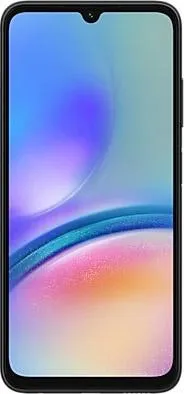
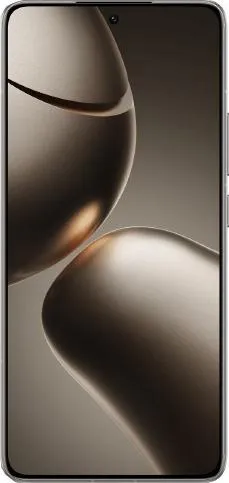
1. Specifications Comparison
| Feature | Samsung Galaxy A05s | Xiaomi 14T Pro | Practical Impact |
|---|---|---|---|
| Design | |||
| Dimensions | 168x77.8x8.8mm | 160.4x75.1x8.4mm | Xiaomi 14T Pro is slightly smaller and thinner, potentially improving one-handed usability. |
| Weight | 194g | 209g | The A05s is noticeably lighter, reducing hand fatigue during extended use. |
| Build Materials | Not specified | Not specified | Material choice impacts durability and premium feel; this information is missing. |
| Display | |||
| Display Type | PLS LCD, 90Hz | AMOLED, 68B colors, 144Hz, Dolby Vision, HDR10+ | The Xiaomi 14T Pro offers a significantly superior display with vibrant colors, higher refresh rate for smoother animations, and HDR support for richer visuals. |
| Size | 6.7" | 6.67" | Negligible size difference. |
| Resolution | 1080x2400 | 1220x2712 | The 14T Pro has a sharper display due to higher pixel density (446 ppi vs 393 ppi). |
| Peak Brightness | Not specified | 4000 nits | The 14T Pro's exceptional peak brightness ensures excellent outdoor visibility. Missing information for the A05s limits comparison. |
| Refresh Rate | 90Hz | 144Hz | The 14T Pro's 144Hz refresh rate provides a noticeably smoother and more responsive experience, especially in gaming and scrolling. |
| Performance | |||
| Chipset | Snapdragon 680 4G (6 nm) | Dimensity 9300+ (4 nm) | The Dimensity 9300+ is a significantly more powerful and efficient processor, leading to much faster performance and potentially better battery life. |
| CPU | Octa-core (4x2.4 GHz & 4x1.9 GHz) | Octa-core (1x3.4 GHz & 3x2.85 GHz & 4x2.0 GHz) | The 14T Pro boasts a more powerful CPU architecture, resulting in significantly faster app loading, multitasking, and demanding tasks. |
| GPU | Adreno 610 | Immortalis-G720 MC12 | The 14T Pro has a much more powerful GPU, delivering a vastly improved gaming experience and smoother graphics performance. |
| RAM/Storage | 128GB/4GB, 128GB/6GB | 512GB/12GB | The 14T Pro offers significantly more RAM and storage, enabling smoother multitasking, faster app switching, and ample space for files. |
| Camera | Not specified for either phone | Not specified for either phone | Cannot compare camera capabilities due to missing information. |
| Battery | |||
| Capacity | 5000 mAh | 5000 mAh | Both phones have the same battery capacity, but real-world battery life will depend on the efficiency of the processor and display. |
| Charging Speed | Not specified for either phone | Not specified for either phone | Cannot compare charging speeds due to missing information. |
2. Key Differences Analysis
Xiaomi 14T Pro Advantages:
- Significantly superior performance: The Dimensity 9300+ chipset and powerful GPU offer a much faster and smoother experience for demanding tasks and gaming.
- Stunning display: The AMOLED display with 144Hz refresh rate, HDR10+, and Dolby Vision delivers vibrant colors, smooth animations, and excellent outdoor visibility.
- Larger storage and RAM: 512GB storage and 12GB RAM provide ample space for files and ensure smooth multitasking.
Samsung Galaxy A05s Advantages:
- Lighter weight: More comfortable for extended use.
- Potentially lower price: While not specified, A series phones generally target a lower price point.
3. User Profiles & Recommendations
Xiaomi 14T Pro: Ideal for users who prioritize performance, a high-quality display, and ample storage. Excellent for gamers, power users, and content creators.
Samsung Galaxy A05s: Suitable for budget-conscious users who prioritize basic functionality and a lightweight design. Best for casual users primarily focused on communication, web browsing, and light media consumption.
4. Decision Framework
Key Questions:
- What is your budget? The Xiaomi 14T Pro will likely be more expensive.
- What are your primary use cases? Gaming, content creation, and demanding tasks favor the 14T Pro. Basic communication and web browsing suffice with the A05s.
- How important is display quality and performance? The 14T Pro excels in these areas.
My Choice: Xiaomi 14T Pro
While lacking some specifications like camera details and charging speeds, the Xiaomi 14T Pro is the clear winner for me. The significantly superior processor, stunning display with a 144Hz refresh rate, and larger RAM/storage combination offer a vastly improved user experience. The slightly heavier weight is a minor trade-off for the substantial performance gains. I value a smooth and responsive experience, especially for gaming and multitasking, making the 14T Pro the better choice despite the likely higher price. The A05s seems like a decent budget option but lacks the premium features I prioritize.
