1. Specifications Comparison
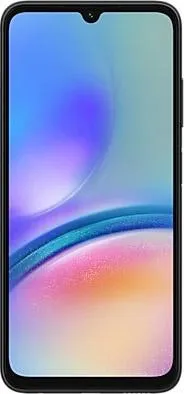
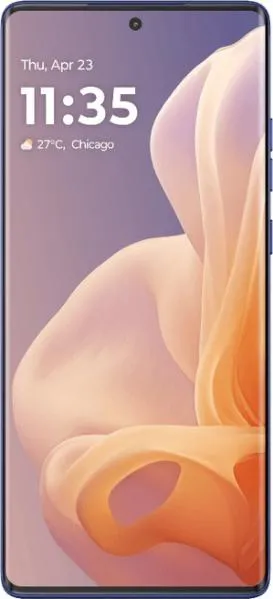
| Feature | Samsung Galaxy A05s | Motorola Moto G85 | Practical Impact |
|---|---|---|---|
| Design | |||
| Dimensions | 168 x 77.8 x 8.8 mm | 161.9 x 73.1 x 7.6 mm | The Moto G85 is noticeably smaller and thinner, making it potentially more comfortable for one-handed use and pocket portability. |
| Weight | 194g | 171g | The Moto G85 is significantly lighter, reducing hand fatigue during extended use. |
| Fingerprint Sensor | Side-mounted | Under display | Preference-based, but under-display sensors are often perceived as more modern. |
| Display | |||
| Display Type | PLS LCD, 90Hz | P-OLED, 120Hz | The Moto G85's OLED offers deeper blacks, more vibrant colors, and potentially better power efficiency. The higher 120Hz refresh rate provides smoother animations and scrolling. |
| Size | 6.7" | 6.67" | Negligible size difference. |
| Resolution | 1080 x 2400 | 1080 x 2400 | Identical resolution, resulting in similar sharpness. |
| Peak Brightness | Not specified | 1600 nits | The Moto G85's significantly higher peak brightness ensures excellent outdoor visibility. The lack of data for the A05s prevents a direct comparison, but 1600 nits is exceptionally bright. |
| Performance | |||
| Chipset | Snapdragon 680 4G | Snapdragon 6s Gen 3 | The Snapdragon 6s Gen 3 in the Moto G85 is newer and generally more powerful, leading to smoother performance in demanding tasks and games. |
| CPU | Octa-core (4x2.4 GHz & 4x1.9 GHz) | Octa-core (2x2.3 GHz & 6x2.0 GHz) | The Moto G85's CPU architecture is more modern and likely offers better performance per core. |
| GPU | Adreno 610 | Adreno 619 | The Adreno 619 offers improved graphics performance compared to the Adreno 610, beneficial for gaming and graphically intensive applications. |
| RAM/Storage | 128GB/4GB, 128GB/6GB | 256GB/12GB | The Moto G85 offers significantly more RAM and storage. 12GB RAM ensures smooth multitasking, while 256GB provides ample storage space. |
| Battery | |||
| Capacity | 5000 mAh | 5000 mAh | Identical battery capacity. Actual battery life depends on various factors including display type, processor efficiency, and software optimization. |
| Software | |||
| OS | Android 13 | Android 14 | The Moto G85 ships with a newer Android version, offering potential access to newer features and security updates. |
2. Key Differences Analysis
Motorola Moto G85 Advantages:
- Superior Display: OLED with 120Hz refresh rate and high peak brightness offers a significantly better visual experience.
- More Powerful Performance: Newer and faster chipset, CPU, and GPU provide smoother multitasking and gaming.
- Larger Memory: More RAM and storage provide a smoother user experience and ample space for apps and files.
- Newer OS: Android 14 potentially offers longer software support and newer features.
- More Compact Design: Smaller and lighter build enhances portability and one-handed usability.
Samsung Galaxy A05s Advantages:
- Potentially Lower Price: While not specified, Samsung's A series generally targets a more budget-conscious market.
3. User Profiles & Recommendations
Moto G85: Users who prioritize display quality, performance, and a modern design. Ideal for gaming, media consumption, and multitasking.
Samsung Galaxy A05s: Budget-conscious users who prioritize basic functionality and a large screen. Suitable for everyday tasks like calling, texting, and browsing.
4. Decision Framework
Key Questions for Buyers:
- What is your budget? The Moto G85 likely commands a higher price due to its superior specifications.
- What are your primary use cases? Gaming, media consumption, and heavy multitasking benefit from the Moto G85's performance. Basic tasks can be adequately handled by the A05s.
- How important is display quality? The Moto G85's OLED display is a significant upgrade over the A05s' LCD.
My Choice: Motorola Moto G85
While pricing is a factor, the Moto G85 offers a significantly better overall package. The superior display, performance, larger memory, and more modern design make it a more compelling device for most users. The advantages in key areas like display and performance outweigh the potential price difference. The Moto G85 provides a more future-proof and enjoyable user experience. The brighter screen is crucial for outdoor use, the extra RAM ensures smoother multitasking, and the faster processor offers better performance in games and demanding applications. Even if the price premium is moderate, the value proposition of the Moto G85 is stronger.
