1. Specifications Comparison
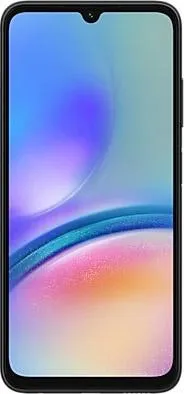
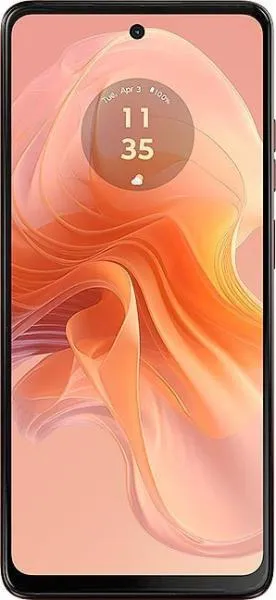
| Feature | Samsung Galaxy A05s | Motorola Moto G04s | Practical Impact |
|---|---|---|---|
| Design | |||
| Dimensions | 168 x 77.8 x 8.8 mm | 163.5 x 74.5 x 8 mm | Moto G04s is slightly smaller and may feel more comfortable in hand. |
| Weight | 194g | 178.8g | Moto G04s is noticeably lighter, reducing hand fatigue during extended use. |
| Display | |||
| Size | 6.7" | 6.56" | Negligible difference in screen real estate. |
| Type | PLS LCD, 90Hz | IPS LCD, 90Hz | Both offer smooth scrolling with similar technology, though PLS LCD generally offers slightly better color reproduction than IPS. |
| Resolution | 1080 x 2400 | 720 x 1612 | A05s has a significantly sharper display, resulting in clearer text and images. G04s' lower resolution will be noticeable. |
| Refresh Rate | 90Hz | 90Hz | Both offer smooth scrolling and animations. |
| Performance | |||
| Chipset | Snapdragon 680 4G (6nm) | Unisoc T606 (12nm) | Snapdragon 680 generally offers better performance and power efficiency due to the smaller manufacturing process. |
| CPU | Octa-core (4x2.4 GHz & 4x1.9 GHz) | Octa-core (2x1.6 GHz & 6x1.6 GHz) | A05s likely has a performance advantage in demanding tasks and multitasking due to higher clock speeds on some cores. |
| GPU | Adreno 610 | Mali-G57 MP1 | Adreno 610 provides a better gaming and graphics performance experience compared to the Mali-G57 MP1. |
| RAM/Storage | 128GB/4GB, 128GB/6GB | 128GB/4GB | A05s offers a 6GB RAM option for improved multitasking. 4GB RAM can be limiting for heavy users. |
| Camera | |||
| Video Capabilities | 1080p@30/60fps | 1080p@30fps | A05s offers more video recording options with 60fps, allowing for smoother slow-motion capture. Detailed camera specs (resolution, aperture) are missing for a comprehensive comparison. |
| Battery | |||
| Capacity | 5000 mAh | 5000 mAh | Similar battery capacities suggest comparable battery life, although real-world usage may vary due to differing chipsets and software optimization. |
| Other | |||
| OS | Android 13 | Android 14 | G04s launches with a newer Android version offering potential feature and security advantages. A05s may receive updates to Android 14. |
| NFC | Yes | Yes | Both support contactless payments. |
2. Key Differences Analysis
Samsung Galaxy A05s Advantages:
- Sharper Display: The significantly higher resolution provides a much better visual experience.
- Better Performance: The Snapdragon 680 and Adreno 610 offer superior processing and graphics capabilities for smoother performance in demanding tasks and gaming.
- 6GB RAM option: Improves multitasking performance.
- More Video Recording Options: 60fps recording enables smoother slow-motion video.
Motorola Moto G04s Advantages:
- Lighter and More Compact: Easier to hold and carry.
- Newer Android Version: Potentially longer software support and newer features out of the box.
3. User Profiles & Recommendations
Samsung Galaxy A05s: Users who prioritize display quality, performance, and multitasking, such as gamers, content consumers, and those who frequently use demanding apps.
Motorola Moto G04s: Users who prioritize a lightweight and compact phone, value having the latest Android version, and primarily use their phone for basic tasks like communication, social media, and web browsing. Price sensitive buyers may also prefer this option.
4. Decision Framework
Key Questions for Buyers:
- How important is display quality? A significantly sharper display is a major differentiator for the A05s.
- What type of tasks will you primarily use the phone for? Demanding tasks and gaming favor the A05s, while basic usage scenarios may not necessitate the extra performance.
- What is your budget? While both are mid-range, the G04s could be priced lower making it a more value-oriented option.
My Choice: Samsung Galaxy A05s
While the Motorola Moto G04s offers a newer Android version and a lighter design, the significantly sharper display and superior performance of the Samsung Galaxy A05s are decisive factors for me. The difference in resolution (720p vs 1080p) significantly impacts daily usage, making everything from reading text to watching videos more enjoyable on the A05s. The more powerful chipset also ensures smoother performance for a wider range of tasks and a longer lifespan. The slightly larger size and weight are minor trade-offs for these substantial benefits. While Android 14 is appealing, the A05s is likely to receive an update, minimizing this advantage. Ultimately, the A05s provides a more future-proof and enjoyable user experience.
