1. Specifications Comparison
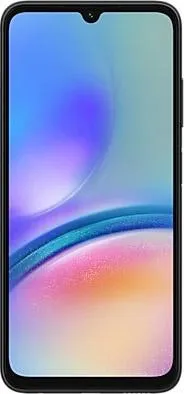
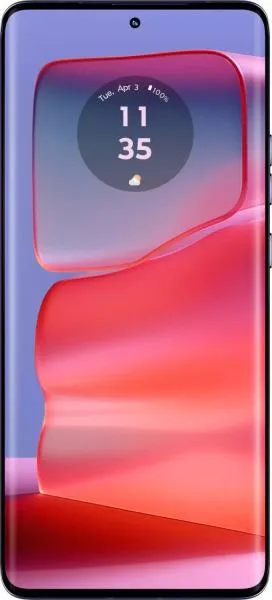
| Feature | Samsung Galaxy A05s | Motorola Edge 50 Pro | Practical Impact |
|---|---|---|---|
| Design | |||
| Dimensions | 168x77.8x8.8mm | 161.2x72.4x8.2mm | The Motorola is noticeably smaller and thinner, making it potentially more pocketable and comfortable to hold. |
| Weight | 194g | 186g | While the weight difference is slight, the Motorola feels lighter in hand. |
| Build Materials | Not specified | Not specified | Cannot compare without more information. |
| Display | |||
| Display Type | PLS LCD, 90Hz | P-OLED, 1B colors, 144Hz, HDR10+ | The Motorola offers superior display technology with deeper blacks, richer colors, smoother scrolling due to the higher refresh rate, and HDR support for enhanced video content. |
| Size | 6.7" | 6.7" | Same screen size. |
| Resolution | 1080x2400 | 1220x2712 | The Motorola has a sharper display due to its higher resolution. |
| Peak Brightness | Not specified | 2000 nits | The Motorola's significantly higher peak brightness ensures excellent outdoor visibility. The lack of data for the Samsung makes a direct comparison impossible. |
| Performance | |||
| Chipset | Snapdragon 680 4G (6nm) | Snapdragon 7 Gen 3 (4nm) | The Motorola's newer and more powerful processor delivers significantly better performance for demanding tasks and gaming. The 4nm process also suggests better power efficiency. |
| CPU | Octa-core (4x2.4 GHz Kryo 265 Gold & 4x1.9 GHz Kryo 265 Silver) | Octa-core (1x2.63 GHz Cortex-A715 & 4x2.4 GHz Cortex-A715 & 3x1.8 GHz Cortex-A510) | The Motorola features a more modern CPU architecture resulting in faster processing speeds. |
| GPU | Adreno 610 | Adreno 720 | The Motorola's superior GPU ensures a smoother gaming experience and better performance in graphics-intensive applications. |
| RAM/Storage | 128GB/4GB, 128GB/6GB | 256GB/12GB, 512GB/12GB | The Motorola provides significantly more RAM and storage, leading to superior multitasking capabilities and ample space for apps and files. |
| Battery | |||
| Capacity | 5000 mAh | 4500 mAh | The Samsung has a larger battery capacity, but real-world battery life depends on other factors like the display and processor efficiency. |
| Charging Speed | Not specified | Not specified | Cannot compare without more information. |
| Camera | Not specified for either phone | Not specified for either phone | Cannot compare without more information. |
2. Key Differences Analysis
Motorola Edge 50 Pro Advantages:
- Significantly better performance: The Snapdragon 7 Gen 3 chip, coupled with more RAM, offers a smoother, faster experience.
- Superior Display: P-OLED with a 144Hz refresh rate, HDR10+, and 2000 nits peak brightness provides a vastly improved visual experience.
- More Premium Design: Slimmer and slightly lighter build.
- Future-Proof Software: Launched with Android 14 and promised updates to Android 17.
Samsung Galaxy A05s Advantages:
- Potentially Longer Battery Life: Larger 5000 mAh battery. However, this needs real-world testing to confirm due to the less efficient processor.
3. User Profiles & Recommendations
Motorola Edge 50 Pro: Users who prioritize performance, a premium display, and gaming. Suitable for demanding tasks, multimedia consumption, and content creation.
Samsung Galaxy A05s: Users on a tighter budget who prioritize basic functionality and potentially longer battery life. Suitable for light usage like calling, texting, and web browsing.
4. Decision Framework
Key Questions:
- What is your budget? The Motorola is likely more expensive.
- What are your primary use cases? Gaming, multimedia consumption, and demanding tasks favor the Motorola. Basic usage favors the Samsung.
- How important is display quality and performance? The Motorola excels in these areas.
My Choice: Motorola Edge 50 Pro
While lacking camera specifications for both phones limits a full comparison, the Motorola Edge 50 Pro is the clear winner based on the available data. Its superior processor, significantly better display, larger RAM, and longer software support outweigh the slightly smaller battery capacity. The performance difference between the Snapdragon 680 and the Snapdragon 7 Gen 3 is substantial, making the Motorola a much more future-proof choice. While the Samsung might offer slightly longer battery life, the Motorola's overall user experience would be significantly better due to the smoother performance and vastly superior display. The commitment to future OS updates also makes the Motorola a safer long-term investment.
