1. Specifications Comparison
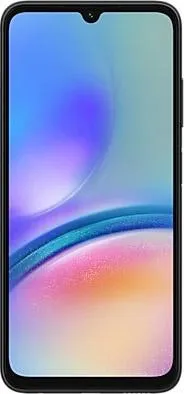
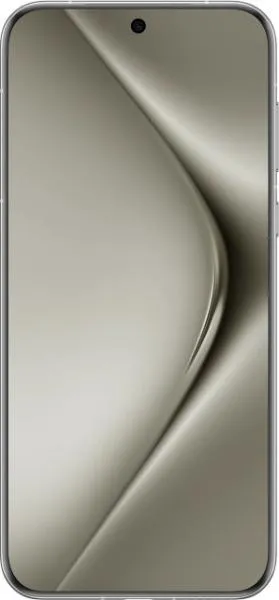
| Feature | Samsung Galaxy A05s | Huawei Pura 70 Pro | Practical Impact |
|---|---|---|---|
| Design | |||
| Dimensions | 168 x 77.8 x 8.8 mm | 162.6 x 75.1 x 8.4 mm | The Huawei phone is slightly smaller and thinner, potentially offering a better one-handed grip. |
| Weight | 194g | 220g | The Samsung phone is noticeably lighter, reducing hand fatigue during prolonged use. |
| Build Materials | Not specified | Not specified | Cannot compare build quality and durability without this information. |
| Display | |||
| Size | 6.7" | 6.8" | Negligible difference in screen real estate. |
| Type | PLS LCD, 90Hz | LTPO OLED, 120Hz, HDR, 1B colors | The Huawei phone boasts a superior display with OLED technology, resulting in deeper blacks, richer colors, and potentially better power efficiency due to LTPO. The higher refresh rate (120Hz) will provide smoother animations and scrolling. HDR support offers a wider dynamic range for compatible content. |
| Resolution | 1080 x 2400 | 1260 x 2844 | The Huawei phone has a sharper display due to higher pixel density (460 ppi vs 393 ppi). |
| Peak Brightness | Not specified | 2500 nits | The Huawei phone's significantly higher peak brightness ensures excellent outdoor visibility. The lack of data for the Samsung phone prevents a direct comparison. |
| Performance | |||
| Chipset | Snapdragon 680 4G (6 nm) | Kirin 9010 (7 nm) | The Kirin 9010 is likely a more powerful chipset, enabling smoother multitasking and better performance in demanding applications. However, real-world performance depends on optimization and cannot be definitively determined without benchmarking. |
| CPU | Octa-core (4x2.4 GHz Kryo 265 Gold & 4x1.9 GHz Kryo 265 Silver) | Octa-core (1x2.3 GHz Taishan Big & 3x2.18 GHz Taishan Mid & 4x1.55 GHz Cortex-A510) | CPU architecture differences make direct performance comparison difficult without benchmarks. |
| GPU | Adreno 610 | 8 (Information insufficient) | Insufficient information on the Huawei's GPU prevents meaningful comparison. |
| RAM/Storage | 128GB/4GB, 128GB/6GB | 512GB/12GB, 1000GB/12GB | The Huawei phone offers significantly more RAM and storage, enabling smoother multitasking and ample space for apps and files. |
| Battery | |||
| Capacity | 5000 mAh | 5050 mAh | Negligible difference in battery capacity. Real-world battery life depends on various factors like display, chipset, and software optimization. |
| Other | |||
| OS | Android 13 | Not specified | The lack of OS information for the Huawei phone is a significant gap. Functionality and app availability are heavily reliant on the OS. |
| NFC | Yes | Yes | Both phones support contactless payments and data transfer. |
| USB | USB Type-C 2.0 | USB Type-C 3.1, OTG, DisplayPort 1.2 | The Huawei phone offers faster data transfer speeds and more versatile connectivity options with USB 3.1, OTG, and DisplayPort. |
| Video Capabilities | 1080p@30/60fps | Not specified | Cannot compare video recording capabilities without information on the Huawei phone. |
2. Key Differences Analysis
Samsung Galaxy A05s Advantages:
- Lighter: Easier to hold and use for extended periods.
- Potentially Lower Price: Generally, Snapdragon 680 devices are more budget-friendly.
Huawei Pura 70 Pro Advantages:
- Superior Display: OLED technology, higher resolution, refresh rate, and brightness offer a significantly better viewing experience.
- More Powerful: The Kirin 9010, coupled with more RAM and storage, likely provides a smoother and more responsive user experience.
- Versatile Connectivity: USB 3.1, OTG, and DisplayPort offer faster data transfer and expanded connectivity options.
3. User Profiles & Recommendations
Samsung Galaxy A05s: Budget-conscious users prioritizing basic functionality, lightweight design, and long battery life. Suitable for everyday tasks like calling, texting, browsing, and social media.
Huawei Pura 70 Pro: Users who value a premium viewing experience, high performance, ample storage, and versatile connectivity. Suitable for demanding tasks like gaming, content creation, and multitasking.
4. Decision Framework
Key Questions:
- What is your budget? The Samsung phone is likely more affordable.
- What are your primary use cases? Basic tasks vs. demanding applications and content consumption.
- How important is display quality? The Huawei phone offers a vastly superior display.
My Choice: Huawei Pura 70 Pro
While the lack of OS information for the Huawei phone is a considerable concern, the superior display, performance, and connectivity outweigh the Samsung phone's advantages for me. I prioritize a smooth user experience and a vibrant display. The significantly larger RAM and storage in the Huawei device are also major selling points, ensuring future-proofing and a lag-free experience. If the Huawei phone runs a fully functional OS with access to essential apps, it's the clear winner. However, the missing OS detail is a crucial factor that needs clarification before a final purchase decision.
