1. Specifications Comparison
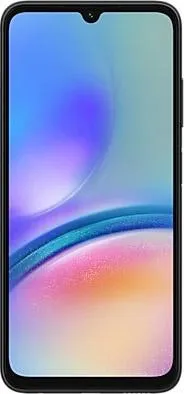
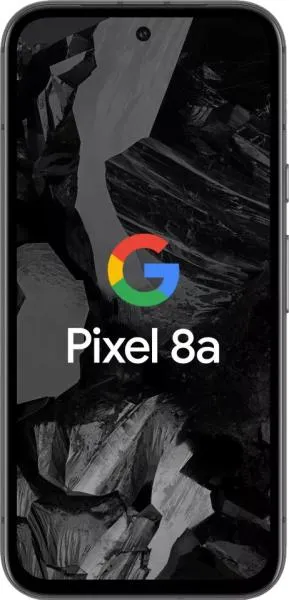
| Feature | Samsung Galaxy A05s | Google Pixel 8a | Practical Impact |
|---|---|---|---|
| Design | |||
| Dimensions | 168x77.8x8.8mm | 152.1x72.7x8.9mm | Pixel 8a is noticeably smaller and might be more comfortable for one-handed use. |
| Weight | 194g | 188g | Pixel 8a is slightly lighter, but the difference is minimal in practical terms. |
| Build | Not specified | Not specified | Build quality cannot be compared without further information. |
| Display | |||
| Size | 6.7" | 6.1" | A05s offers a larger screen for media consumption, while Pixel 8a is more pocketable. |
| Type | PLS LCD, 90Hz | OLED, HDR, 120Hz | Pixel 8a's OLED display provides deeper blacks, richer colors, and higher contrast. The 120Hz refresh rate delivers smoother animations than the A05s's 90Hz. HDR support on the Pixel 8a further enhances visual quality. |
| Resolution | 1080x2400 | 1080x2400 | Identical resolution, but Pixel 8a's smaller size results in a higher pixel density (sharper image). |
| Peak Brightness | Not specified | 2000 nits | Pixel 8a's superior peak brightness ensures excellent outdoor visibility. The lack of data for the A05s prevents a direct comparison. |
| Performance | |||
| Chipset | Qualcomm Snapdragon 680 4G (6 nm) | Google Tensor G3 (4 nm) | Tensor G3 is a significantly more powerful chip, enabling faster performance and better AI processing on the Pixel 8a. |
| CPU | Octa-core (4x2.4 GHz & 4x1.9 GHz) | Nona-core (1x3.0 GHz & 4x2.45 GHz & 4x2.15 GHz) | Pixel 8a's more advanced CPU architecture and higher clock speeds result in superior multitasking and demanding application performance. |
| GPU | Adreno 610 | Immortalis-G715s MC10 | Pixel 8a boasts a much more powerful GPU, leading to significantly better gaming and graphics performance. |
| RAM | 4GB/6GB | 8GB | Pixel 8a's larger RAM enables smoother multitasking and better handling of demanding applications. |
| Storage | 128GB | 256GB | Pixel 8a offers double the storage capacity. |
| Camera | |||
| Video Capabilities | 1080p@30/60fps | 4K@30/60fps (OIS), 1080p@30/60/120/240fps (OIS) | Pixel 8a supports significantly higher video resolution and frame rates, including slow-motion capabilities. Optical image stabilization (OIS) enhances video quality further. Detailed camera specifications (sensor size, aperture) are missing, hindering a comprehensive comparison. |
| Battery | |||
| Capacity | 5000 mAh | 4492 mAh | A05s has a slightly larger battery capacity, but real-world battery life depends on various factors including software optimization and display efficiency. |
| Other | |||
| OS | Android 13 | Android 14 | Pixel 8a comes with a newer Android version, offering potential feature and security advantages. It is also guaranteed longer software updates. |
| USB | USB Type-C 2.0 | USB Type-C 3.2 | Pixel 8a's USB 3.2 enables significantly faster data transfer speeds. |
2. Key Differences Analysis
Pixel 8a Advantages:
- Significantly more powerful processor and GPU for superior performance.
- Higher quality OLED display with HDR and 120Hz refresh rate.
- Superior video recording capabilities with 4K resolution and OIS.
- More recent Android version with longer update guarantee.
- Faster data transfer with USB 3.2.
Samsung Galaxy A05s Advantages:
- Potentially longer battery life due to higher capacity (real-world usage may vary).
- Larger display size for media consumption.
3. User Profiles & Recommendations
Pixel 8a: Users who prioritize performance, a high-quality display, excellent camera features, and the latest software. Ideal for gaming, photography/videography, and demanding tasks.
Samsung Galaxy A05s: Users on a tighter budget who prioritize battery life and a large screen for media consumption. Best for casual usage, web browsing, and video streaming.
4. Decision Framework
Key Questions:
- What is your budget?
- What are your primary smartphone usage patterns (gaming, photography, social media)?
- How important are performance, display quality, and camera features to you?
My Choice: Google Pixel 8a
While the Samsung Galaxy A05s might offer slightly longer battery life and a larger screen, the Pixel 8a's superior performance, significantly better display and camera, newer software with longer update support, and faster data transfer make it a far more compelling device overall. The price difference, assuming they are both in the "medium price" range, is likely justified by the substantial performance and feature gap. The Pixel 8a provides a much more future-proof and enjoyable user experience.
