1. Specifications Comparison
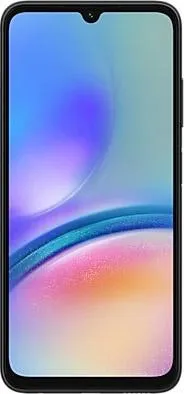
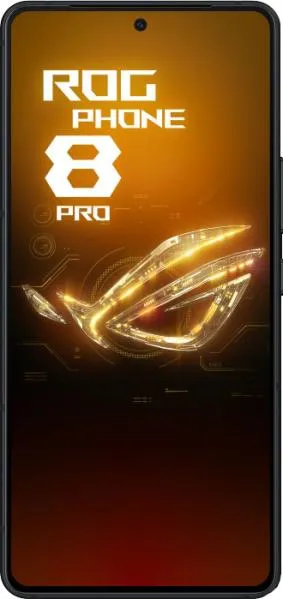
| Feature | Samsung Galaxy A05s | Asus ROG Phone 8 Pro | Practical Impact |
|---|---|---|---|
| Design | |||
| Dimensions | 168x77.8x8.8mm | 163.8x76.8x8.9mm | ROG Phone 8 Pro is slightly smaller and a tad thicker. Negligible difference in everyday use. |
| Weight | 194g | 225g | ROG Phone 8 Pro is noticeably heavier, potentially impacting one-handed use and portability. |
| Build Materials | Not specified | Not specified | Cannot compare build quality and durability without this information. |
| Display | |||
| Size | 6.7" | 6.78" | Negligible difference in screen real estate. |
| Type | PLS LCD, 90Hz | LTPO AMOLED, 1B colors, 165Hz, HDR10+ | ROG Phone 8 Pro offers significantly better color accuracy, contrast, and smoothness due to AMOLED technology, higher refresh rate, and HDR10+ support. This results in a superior visual experience for media consumption and gaming. |
| Resolution | 1080x2400 | 1080x2400 | Identical resolution, resulting in similar sharpness. |
| Peak Brightness | Not specified | 2500 nits | ROG Phone 8 Pro boasts exceptional peak brightness, ensuring excellent outdoor visibility even in direct sunlight. The lack of data for the A05s prevents a direct comparison. |
| Performance | |||
| Chipset | Snapdragon 680 4G (6nm) | Snapdragon 8 Gen 3 (4nm) | ROG Phone 8 Pro offers drastically superior processing power and efficiency due to the flagship 8 Gen 3 chip. This translates to significantly faster performance in demanding tasks like gaming, video editing, and multitasking. |
| CPU | Octa-core (4x2.4 GHz & 4x1.9 GHz) | Octa-core (1x3.3 GHz & 3x3.2 GHz & 2x3.0 GHz & 2x2.3 GHz) | The ROG Phone 8 Pro has a much more powerful CPU architecture, leading to much faster and smoother performance across all applications. |
| GPU | Adreno 610 | Adreno 750 | ROG Phone 8 Pro features a substantially more powerful GPU, resulting in significantly better gaming performance and smoother graphics rendering. |
| RAM/Storage | 128GB/4GB RAM, 128GB/6GB RAM | 1000GB/24GB RAM | ROG Phone 8 Pro provides an enormous amount of RAM and storage compared to the A05s. This allows for extreme multitasking, seamless app switching, and storing vast amounts of data. |
| Battery | |||
| Capacity | 5000 mAh | 5500 mAh | ROG Phone 8 Pro has a slightly larger battery capacity, potentially offering longer battery life. However, its power-hungry display and processor might offset this advantage. |
| Camera | |||
| Video Capabilities | 1080p@30/60fps | 8K@24fps, 4K@30/60fps, 1080p@ up to 240fps | ROG Phone 8 Pro offers significantly superior video recording capabilities, including higher resolution (up to 8K), higher frame rates (up to 240fps), and likely better stabilization (EIS specified). Missing detailed camera specs prevent a full comparison. |
2. Key Differences Analysis
Samsung Galaxy A05s Advantages:
- Potentially Lower Price: Likely significantly more affordable.
- Lighter Weight: Easier for one-handed use and portability.
Asus ROG Phone 8 Pro Advantages:
- Significantly Higher Performance: Superior CPU, GPU, and RAM for demanding tasks and gaming.
- Superior Display: AMOLED technology, higher refresh rate, and HDR10+ for a vastly improved visual experience.
- Much Larger Storage: Accommodates a huge amount of data and applications.
- Advanced Video Recording: Higher resolution and frame rate options.
3. User Profiles & Recommendations
Samsung Galaxy A05s: Budget-conscious users prioritizing basic communication, social media, and light web browsing.
Asus ROG Phone 8 Pro: Power users, gamers, and content creators who demand top-tier performance, a premium display, and ample storage.
4. Decision Framework
Key Questions:
- What is your budget? The A05s is likely much more affordable.
- What are your primary use cases? Basic tasks vs. demanding gaming and content creation.
- Do you prioritize display quality and performance? The ROG Phone 8 Pro excels in these areas.
My Choice: Asus ROG Phone 8 Pro
While significantly more expensive, the ROG Phone 8 Pro offers a vastly superior user experience due to its exceptional performance, stunning display, and ample storage. As someone who values a smooth and responsive device for productivity and entertainment, the compromises on weight and price are justified by the significant gains in key areas. The A05s is a decent budget option, but the ROG Phone 8 Pro is a true flagship device that delivers a premium experience. The difference in chipset generations alone (Snapdragon 680 vs. 8 Gen 3) signifies a huge leap in capabilities, future-proofing the device for longer.
