1. Specifications Comparison
| Feature | Samsung Galaxy A05s | Apple iPhone 16 Pro | Practical Impact |
|---|---|---|---|
| Design | |||
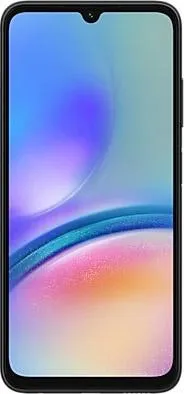
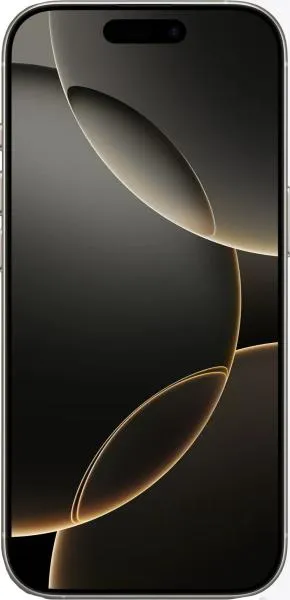
| Dimensions | 168x77.8x8.8mm | 149.6x71.5x8.3mm | iPhone 16 Pro is significantly smaller and more pocketable. |
| Weight | 194g | 199g | Negligible weight difference. |
| Build Materials | Not specified | Titanium | iPhone likely more durable due to titanium frame. Durability information missing for A05s. |
| Display | |||
| Display Type | PLS LCD, 90Hz | LTPO Super Retina XDR OLED, 120Hz | iPhone's OLED offers superior contrast, deeper blacks, and HDR support, resulting in a more vibrant viewing experience. The higher refresh rate (120Hz) provides smoother scrolling and animations. |
| Size | 6.7" | 6.3" | A05s offers a larger screen for media consumption but may be less comfortable for one-handed use. |
| Resolution | 1080x2400 | 1206x2622 | iPhone has a slightly sharper display due to higher pixel density (460 ppi vs 393 ppi). |
| Peak Brightness | Not specified | 2000 nits (HBM) | iPhone's significantly higher peak brightness ensures better visibility in direct sunlight. Missing peak brightness for A05s limits comparison. |
| Performance | |||
| Chipset | Qualcomm Snapdragon 680 4G (6 nm) | Apple A18 Pro (3 nm) | A18 Pro offers significantly faster processing and graphics performance for demanding tasks and gaming. |
| CPU | Octa-core (4x2.4 GHz & 4x1.9 GHz) | Hexa-core (2x4.05 GHz + 4x2.42 GHz) | iPhone's CPU is more powerful due to its architecture and higher clock speeds. |
| GPU | Adreno 610 | Apple GPU (6-core graphics) | iPhone's GPU provides superior graphics performance for gaming and other graphically intensive tasks. Specific performance metrics missing for Apple GPU. |
| RAM | 4GB/6GB | 8GB | iPhone offers more RAM, enabling better multitasking and smoother performance with multiple apps. |
| Storage | 128GB | 256GB, 512GB, 1TB | iPhone offers significantly more storage in its base model. |
| Battery | |||
| Capacity | 5000 mAh | 3582 mAh | A05s has a larger battery capacity, potentially offering longer battery life. Real-world usage will vary. |
| Camera | |||
| Video Capabilities | 1080p@30/60fps | Up to 4K@120fps (HDR) | iPhone offers vastly superior video recording capabilities with higher resolution, frame rates, and HDR support. |
| Specific sensor and lens details | Missing | Missing | Cannot compare camera image quality without detailed sensor specifications. |
2. Key Differences Analysis
Samsung Galaxy A05s Advantages:
- Larger battery: Potentially longer battery life.
- Lower price: Significantly more affordable.
- Larger Display: More screen real estate for media consumption.
Apple iPhone 16 Pro Advantages:
- Significantly faster performance: Smoother multitasking, better gaming, and faster app loading.
- Superior display: Brighter, more vibrant colors, higher refresh rate for smooth scrolling.
- More premium build: Titanium frame for increased durability.
- Advanced camera features: Higher resolution and frame rate video recording capabilities.
- More storage: Ample storage for apps, photos, and videos.
3. User Profiles & Recommendations
Samsung Galaxy A05s: Budget-conscious users who prioritize battery life and a large display for basic tasks like web browsing, social media, and light gaming.
Apple iPhone 16 Pro: Users who demand top-tier performance, a premium display, and advanced camera features. Ideal for power users, gamers, content creators, and those who value a premium mobile experience.
4. Decision Framework
Key Questions:
- What is your budget? The iPhone 16 Pro is significantly more expensive.
- What are your primary use cases? Basic tasks vs. demanding applications and gaming.
- How important is battery life, display quality, and performance? Prioritize needs based on individual preferences.
My Choice: Apple iPhone 16 Pro
While the Samsung Galaxy A05s offers a larger battery and a more budget-friendly price, the iPhone 16 Pro's superior performance, stunning display, advanced camera, and premium build make it the clear winner for me. I prioritize a smooth and responsive user experience, high-quality visuals, and the ability to handle demanding tasks. The significant difference in processing power, graphics capabilities, and display quality would greatly enhance my daily usage and provide a more future-proof device. While battery life is important, I'm willing to compromise slightly for the substantial gains in overall performance and user experience. The higher price tag is justified by the significant advancements in technology and build quality.
