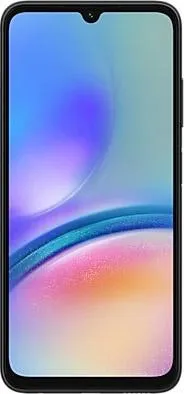
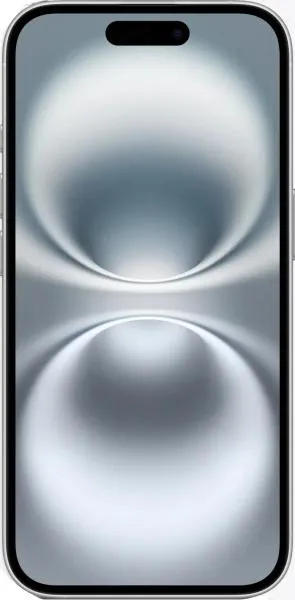
1. Specifications Comparison
| Feature | Samsung Galaxy A05s | Apple iPhone 16 | Practical Impact |
|---|---|---|---|
| Design | |||
| Dimensions | 168 x 77.8 x 8.8 mm | 147.6 x 71.6 x 7.8 mm | iPhone 16 is significantly smaller and thinner, making it more pocketable and easier to handle. |
| Weight | 194g | 170g | iPhone 16 is noticeably lighter, reducing hand fatigue during extended use. |
| Build Materials | Not specified | Not specified | Cannot compare build quality and durability without material information. |
| Display | |||
| Display Type | PLS LCD, 90Hz | Super Retina XDR OLED, HDR10, Dolby Vision | iPhone 16's OLED offers superior contrast, deeper blacks, and more vibrant colors. HDR and Dolby Vision support provide a more immersive viewing experience for compatible content. |
| Size | 6.7" | 6.1" | Galaxy A05s offers a larger screen for media consumption, while the iPhone 16 provides better one-handed usability. |
| Resolution | 1080 x 2400 | 1179 x 2556 | iPhone 16 boasts a sharper display with higher pixel density (460 ppi vs 393 ppi), resulting in crisper text and images. |
| Refresh Rate | 90Hz | Not specified | 90Hz on the A05s provides smoother scrolling and animations compared to a standard 60Hz display (assuming iPhone 16 is 60Hz). A higher refresh rate on the iPhone, if present, would diminish this advantage. |
| Peak Brightness | Not specified | Not specified (1000 nits typical, 2000 nits HBM) | Cannot compare peak brightness for outdoor visibility without specific data for the A05s. While the typical brightness is listed for the iPhone, the missing peak brightness makes a direct comparison impossible. |
| Performance | |||
| Chipset | Qualcomm Snapdragon 680 4G (6nm) | Apple A18 (3nm) | A18 is expected to significantly outperform the Snapdragon 680 in terms of processing power and graphics performance, enabling smoother multitasking, faster app loading, and better gaming capabilities. The 3nm process suggests greater efficiency for the A18. |
| CPU | Octa-core (4x2.4 GHz & 4x1.9 GHz) | Hexa-core (2x4.04 GHz + 4x2.20 GHz) | A18's higher clock speeds and Apple's architectural efficiency likely result in significantly faster performance. |
| GPU | Adreno 610 | Apple GPU (5-core) | Apple's custom GPU is expected to deliver superior graphics performance compared to the Adreno 610, especially for demanding games and applications. |
| RAM | 4GB/6GB | 8GB | More RAM on the iPhone 16 allows for better multitasking and smoother performance with multiple apps open. |
| Storage | 128GB | 256GB/512GB | iPhone 16 offers significantly more storage for apps, photos, and videos. |
| Battery | |||
| Capacity | 5000 mAh | 3561 mAh | Galaxy A05s has a larger battery capacity, potentially offering longer battery life. However, real-world battery life depends on various factors including software optimization and display technology. |
| Other | |||
| OS | Android 13 | iOS 18 | Different operating systems cater to different user preferences and ecosystems. |
| Sensors | Accelerometer, Proximity, Fingerprint (side-mounted) | Face ID, Accelerometer, Gyro, Proximity, Compass, Barometer | iPhone 16 offers more advanced sensors, including Face ID for secure authentication and a barometer for altitude tracking. |
2. Key Differences Analysis
Samsung Galaxy A05s Advantages:
- Larger Display: Better for media consumption.
- Potentially Longer Battery Life: Larger battery capacity suggests longer usage time, but this needs real-world testing to confirm.
- Lower Price: Likely more affordable given the specifications.
Apple iPhone 16 Advantages:
- Significantly Faster Performance: A18 chip offers a substantial performance advantage for demanding tasks and gaming.
- Superior Display Quality: OLED technology with HDR and Dolby Vision delivers a more vibrant and immersive viewing experience.
- More Premium Design: Expected based on Apple's history, but cannot confirm without specific material information.
- More Storage: Base model offers double the storage of the A05s.
- More Advanced Sensors: Face ID and barometer provide additional functionality.
3. User Profiles & Recommendations
Samsung Galaxy A05s: Budget-conscious users who prioritize a large display for media consumption and long battery life. Suitable for basic tasks like web browsing, social media, and casual gaming.
Apple iPhone 16: Users who prioritize performance, a premium experience, and seamless integration within the Apple ecosystem. Ideal for demanding tasks, gaming, photography, and users who value a polished and optimized user experience.
4. Decision Framework
Key Questions for Buyers:
- What is your budget? The iPhone 16 is likely significantly more expensive.
- What are your primary use cases? Gaming and demanding tasks favor the iPhone 16, while media consumption on a larger screen favors the A05s.
- Which operating system do you prefer? Android and iOS offer distinct experiences and app ecosystems.
My Choice: Apple iPhone 16
While lacking some specific details like build materials and peak brightness, the iPhone 16's significant performance advantage, superior display quality, and larger storage options make it the compelling choice for me. The A18 Bionic chip promises a substantial leap in processing power, ensuring smooth performance for years to come. The Super Retina XDR display with HDR and Dolby Vision offers a vastly improved visual experience compared to the A05s' LCD. Although the A05s boasts a larger battery, Apple's optimization often results in competitive battery life despite smaller capacities. Finally, the larger storage options in the iPhone 16 cater to my needs for storing photos, videos, and apps. While the price difference is a factor, the long-term performance and user experience benefits of the iPhone 16 justify the higher cost for my usage patterns. I prioritize a smooth, responsive user experience, high-quality visuals, and a device that can handle demanding tasks without slowdown. The iPhone 16 better addresses these priorities.
