Samsung Galaxy A05 vs. Xiaomi Redmi Note 13 Pro 4G: A Deep Dive
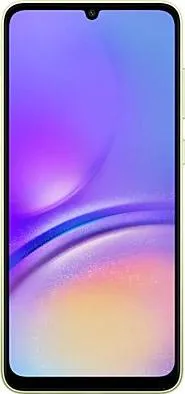
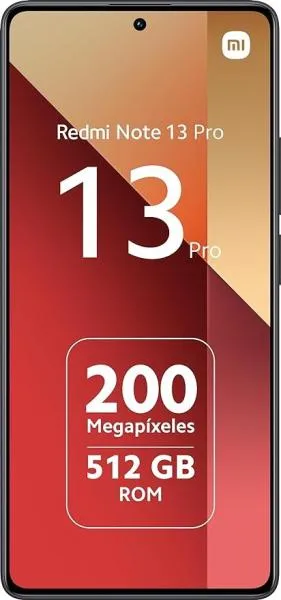
Let's dissect these two smartphones, the Samsung Galaxy A05 and the Xiaomi Redmi Note 13 Pro 4G, to see what they offer and who they're best suited for.
1. Specifications Breakdown
| Feature | Samsung Galaxy A05 | Xiaomi Redmi Note 13 Pro 4G | Real-World Implications |
|---|---|---|---|
| Design | |||
| Dimensions | 168.8 x 78.2 x 8.8 mm | 161.1 x 75 x 8 mm | Redmi is slightly smaller and may feel more comfortable in hand. |
| Weight | 195g | 188g | Redmi is lighter, reducing hand fatigue. |
| Display | |||
| Display Type | PLS LCD | AMOLED, 1B colors, 120Hz | Redmi offers richer colors, deeper blacks, and smoother scrolling thanks to AMOLED and 120Hz refresh rate. A05's LCD is less vibrant and responsive. |
| Size | 6.7" | 6.67" | Negligible size difference. |
| Resolution | 720 x 1600 | 1080 x 2400 | Redmi boasts significantly sharper visuals. |
| Peak Brightness | N/A | 1300 nits | Redmi's display will be much more visible in sunlight. |
| Performance | |||
| Chipset | Helio G85 (12nm) | Helio G99 Ultra | Both are mid-range chipsets, but the G99 Ultra in the Redmi offers a noticeable performance boost in demanding tasks and gaming. |
| CPU | Octa-core (2x2.0 GHz Cortex-A75 & 6x1.8 GHz Cortex-A55) | Octa-core (2x2.2 GHz Cortex-A76 & 6x2.0 GHz Cortex-A55) | Redmi's CPU has faster clock speeds, translating to quicker app launches and smoother multitasking. |
| GPU | Mali-G52 MC2 | Mali-G57 MC2 | While both GPUs are decent for casual gaming, the Mali-G57 in the Redmi offers a slight edge in graphics performance. |
| RAM/Storage | 128GB/4GB, 128GB/6GB | 256GB/8GB, 512GB/12GB | Redmi provides significantly more storage and RAM, crucial for multitasking and storing large files. |
| Other | |||
| Battery | 5000 mAh | 5000 mAh | Similar battery capacity, though real-world battery life will depend on usage and optimization. |
| OS | Android 13 | Android 13 (upgradable to 16) | Redmi offers longer software support. |
| NFC | No | Yes | Redmi supports contactless payments and data transfer. |
| Sensors | Accelerometer, Proximity | Accelerometer, Gyro, Compass, Fingerprint (under display) | Redmi offers more advanced sensor capabilities, including a fingerprint scanner for enhanced security. |
2. Key Insights
The Redmi Note 13 Pro 4G clearly outperforms the Galaxy A05 in almost every aspect. Its AMOLED display with a 120Hz refresh rate offers a vastly superior visual experience. The more powerful Helio G99 Ultra chipset, coupled with more RAM and storage, ensures smoother performance for demanding tasks and gaming. The Redmi also includes features like NFC and an under-display fingerprint sensor, which are absent in the A05. The A05's primary advantage lies in its potentially lower price point.
3. User Profiles and Recommendations
Samsung Galaxy A05: This phone is best suited for budget-conscious users who prioritize basic communication and light web browsing. It’s a functional device for calls, texts, and social media but might struggle with demanding tasks.
Xiaomi Redmi Note 13 Pro 4G: Ideal for users who want a well-rounded smartphone with a great display, smooth performance, and modern features. It caters to mobile gamers, content consumers, and those who multitask heavily.
4. Buying Decision Framework
- What's your budget? If price is your primary concern, the A05 will be more affordable.
- What's your usage pattern? For basic use, the A05 suffices. If you need performance and features, choose the Redmi.
- How important is display quality? The Redmi's AMOLED display is a major differentiator.
My Choice: Xiaomi Redmi Note 13 Pro 4G
While the Samsung Galaxy A05 serves as a basic entry-level option, the Xiaomi Redmi Note 13 Pro 4G offers a significantly better overall package. The superior display, performance, and feature set make it a more compelling choice for most users. The improved user experience justifies the likely price difference. The longer software update commitment from Xiaomi also ensures that the Redmi Note 13 Pro 4G will remain relevant for a longer time. As someone who appreciates a fluid and responsive user experience, the 120Hz AMOLED display and the more powerful processor of the Redmi are decisive factors. Even though I don't have specific pricing information, the value proposition of the Redmi Note 13 Pro 4G seems much stronger based purely on performance and capabilities.
