Samsung Galaxy A05 vs. Xiaomi Redmi 14C: A Deep Dive for the Discerning Buyer
Hello, fellow tech enthusiasts! Alex Griffin here, ready to dissect the Samsung Galaxy A05 and the Xiaomi Redmi 14C. We'll go beyond the spec sheet to uncover what these phones truly offer in real-world use. Let's dive in!
1. Specifications Breakdown
| Feature | Samsung Galaxy A05 | Xiaomi Redmi 14C | Real-World Implications |
|---|---|---|---|
| Design | |||
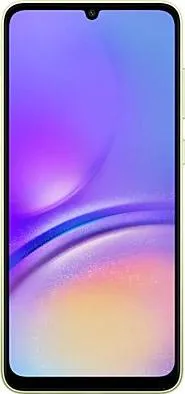
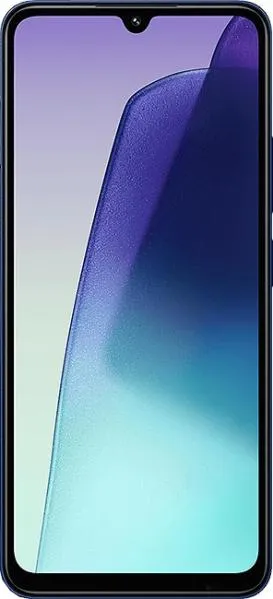
| Dimensions | 168.8 x 78.2 x 8.8mm | 171.9 x 77.8 x 8.2mm | Redmi 14C is slightly larger and thinner. Negligible difference in daily use. |
| Weight | 195g | 211g | Redmi 14C is noticeably heavier, potentially impacting one-handed use. |
| Display | |||
| Size | 6.7" | 6.88" | Redmi 14C offers a marginally larger screen. |
| Type | PLS LCD | IPS LCD | Both are LCD panels; expect decent color accuracy and viewing angles. PLS LCD generally offers better outdoor visibility. |
| Resolution | 720x1600 | 720x1640 | Virtually identical pixel density (~260 ppi). Sharpness will be similar on both devices. |
| Refresh Rate | Standard | 120Hz | Redmi 14C's 120Hz refresh rate delivers smoother scrolling and animations, a significant advantage for gaming and overall feel. |
| Performance | |||
| Chipset | Helio G85 (12nm) | Helio G81 Ultra | Both offer similar performance in day-to-day tasks, though the "Ultra" branding on the 14C might suggest minor improvements - benchmark testing needed for confirmation. |
| CPU | Octa-core (2x2.0 GHz Cortex-A75 & 6x1.8 GHz Cortex-A55) | Octa-core (2x2.0 GHz Cortex-A75 & 6x1.8 GHz Cortex-A55) | Performance should be comparable for general use. |
| GPU | Mali-G52 MC2 | Mali-G52 MC2 | Similar graphics performance; expect comparable gaming capabilities at lower settings. |
| RAM | 4/6GB | 6/8GB | Redmi 14C offers more RAM in its base configuration, enabling better multitasking and app switching. |
| Storage | 128GB | 128GB | Both offer ample storage for apps and media. |
| Other | |||
| Battery | 5000mAh | 5160mAh | Redmi 14C boasts slightly larger battery capacity, potentially translating to longer usage time. |
| OS | Android 13 | Android 14 | Redmi 14C comes with the newer Android version, offering potential feature and security updates. |
| NFC | No | Yes | Redmi 14C supports contactless payments and data transfer via NFC. |
| Sensors | Accelerometer, Proximity | Accelerometer, Compass, Fingerprint (side-mounted) | Redmi 14C features a fingerprint sensor for enhanced security and convenience. |
Note: Camera specifications are missing, limiting a comprehensive comparison in this crucial area.
2. Key Insights
Display: The Redmi 14C's 120Hz refresh rate is a game-changer, providing a noticeably smoother user experience compared to the A05's standard refresh rate.
Performance: While chipsets are similar, the Redmi 14C's higher RAM options provide a clear advantage for multitasking and demanding applications.
Features: NFC in the Redmi 14C adds valuable functionality for contactless payments and interactions. The fingerprint sensor enhances security and convenience.
3. User Profiles and Recommendations
Samsung Galaxy A05: Best suited for budget-conscious users prioritizing basic smartphone functionality. Ideal for calling, texting, web browsing, and light media consumption.
Xiaomi Redmi 14C: A good choice for users seeking a more fluid and feature-rich experience without breaking the bank. The higher refresh rate, increased RAM, NFC, and fingerprint sensor make it suitable for gaming, multitasking, and mobile payments.
4. Buying Decision Framework
- What's your budget? The A05 caters to the lower end of the market.
- Is a smooth display crucial? The 120Hz on the Redmi 14C makes a significant difference.
- Do you need NFC? If mobile payments are essential, the Redmi 14C is the only option.
My Choice: Xiaomi Redmi 14C
While the A05 is a respectable budget option, the Redmi 14C's 120Hz display, larger RAM, NFC functionality, and fingerprint sensor offer a significantly enhanced user experience for a relatively small price increase. As someone who values smooth performance and modern conveniences, the Redmi 14C is the clear winner for me. The slightly heavier weight is a minor trade-off for the substantial gains in features and usability.
