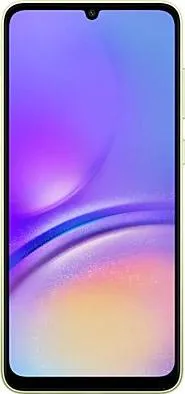
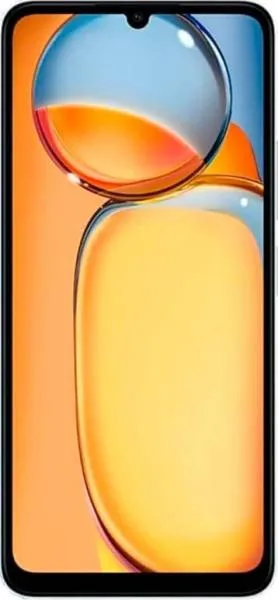
Samsung Galaxy A05 vs. Xiaomi Redmi 13C: A Budget Battle Royale
The low-end smartphone arena is fiercely competitive, with manufacturers vying to deliver the most value for your hard-earned cash. Today, we'll dissect two contenders: the Samsung Galaxy A05 and the Xiaomi Redmi 13C. Both promise solid performance on a budget, but which one comes out on top? Let's dive into the specs and uncover the real-world implications for you.
1. Specifications Breakdown
| Feature | Samsung Galaxy A05 | Xiaomi Redmi 13C | Real-World Implications |
|---|---|---|---|
| Design | |||
| Dimensions | 168.8 x 78.2 x 8.8mm | 168 x 78 x 8.1mm | Redmi 13C slightly thinner. Negligible difference in hand feel. |
| Weight | 195g | 192g | Both feel substantial; minimal difference in perceived weight. |
| Display | |||
| Size | 6.7" | 6.74" | Redmi 13C marginally larger; both offer immersive media consumption. |
| Type | PLS LCD | IPS LCD | Similar panel technology; expect decent color reproduction and viewing angles. |
| Resolution | 720 x 1600 | 720 x 1600 | Identical resolution; sharpness comparable on both devices. |
| Refresh Rate | N/A | 90Hz | Significant Advantage for Redmi 13C: Smoother scrolling and animations. |
| Performance | |||
| Chipset | Helio G85 (12nm) | Helio G85 (12nm) | Identical processors; expect similar performance in day-to-day tasks and light gaming. |
| CPU | Octa-core | Octa-core | Same CPU configuration; comparable processing power. |
| GPU | Mali-G52 MC2 | Mali-G52 MC2 | Same graphics processor; expect similar gaming capabilities. |
| RAM | 4/6GB | 6/8GB | Redmi 13C offers higher RAM configurations; better multitasking and future-proofing. |
| Storage | 128GB | 128/256GB | Redmi 13C offers a 256GB option for users needing ample storage. |
| Other | |||
| Battery | 5000 mAh | 5000 mAh | Similar battery capacity; expect comparable battery life. |
| NFC | No | Yes | Advantage Redmi 13C: Enables contactless payments and data transfer. |
| Sensors | Accel., Proximity | Accel., Compass, Fingerprint | Advantage Redmi 13C: Fingerprint sensor for added security and convenience |
2. Key Insights
Both phones utilize the same Helio G85 chipset, so core performance should be similar. However, the Redmi 13C's 90Hz refresh rate is a game-changer, providing a noticeably smoother user experience. Its higher RAM options also contribute to superior multitasking capabilities. The A05's PLS LCD may offer slightly better color accuracy compared to the Redmi 13C's IPS LCD, but the difference is negligible in real-world use.
3. User Profiles and Recommendations
Galaxy A05: Best for users on an extremely tight budget who prioritize basic functionality and long battery life. It's a reliable device for calls, messaging, and light web browsing.
Redmi 13C: Best for users who value a fluid user experience and modern conveniences like NFC and a fingerprint sensor. The higher RAM and storage options also make it a better choice for power users and those who plan to keep their phone for longer.
4. Buying Decision Framework
- Is a smooth display crucial to you? If yes, the Redmi 13C's 90Hz refresh rate is a must-have.
- Do you need NFC for contactless payments? If yes, the Redmi 13C is the only option.
- What's your budget? While both are budget-friendly, the A05 will likely be the cheaper option.
My Choice: The Redmi 13C
While the Galaxy A05 is a decent entry-level phone, the Redmi 13C offers significantly more value for a marginally higher price (if any). The 90Hz display alone transforms the user experience, making everything feel more responsive and fluid. The inclusion of NFC, a fingerprint sensor, and higher RAM/storage configurations further solidifies its position as the superior choice for most users in this price bracket. For me, those quality-of-life improvements are well worth the potential slight price difference. It's a clear demonstration of how small upgrades can make a big difference in the budget segment.
