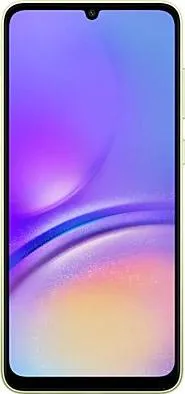
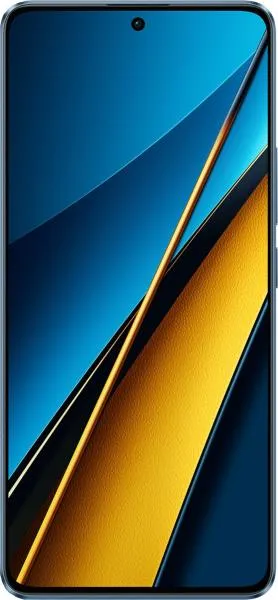
Let's dive into a comparative analysis of the Samsung Galaxy A05 and the Xiaomi Poco X6, dissecting their specifications and translating them into real-world user experiences.
1. Specifications Breakdown
| Feature | Samsung Galaxy A05 | Xiaomi Poco X6 | Real-World Implications |
|---|---|---|---|
| Design | |||
| Dimensions | 168.8 x 78.2 x 8.8 mm | 161.2 x 74.3 x 8 mm | Poco X6 is slightly smaller and potentially more comfortable for one-handed use. |
| Weight | 195g | 181g | Poco X6 feels noticeably lighter in hand. |
| Display | |||
| Display Type | PLS LCD | AMOLED, 120Hz | Poco X6 offers significantly richer colors, deeper blacks, smoother scrolling, and overall a more vibrant visual experience. |
| Size | 6.7" | 6.67" | Negligible difference in screen real estate. |
| Resolution | 720 x 1600 | 1220 x 2712 | Poco X6 boasts much sharper visuals due to significantly higher resolution. |
| Refresh Rate | N/A | 120Hz | Poco X6's high refresh rate delivers fluid animations and smoother gaming. |
| Peak Brightness | N/A | 1800 nits | Poco X6 excels in outdoor visibility, even in direct sunlight. |
| Performance | |||
| Chipset | Helio G85 (12nm) | Snapdragon 7s Gen 2 (4nm) | Poco X6 will provide significantly faster performance, smoother multitasking, and better gaming capabilities due to a more powerful and efficient processor. |
| CPU | Octa-core (2x2.0 GHz Cortex-A75 & 6x1.8 GHz Cortex-A55) | Octa-core (4x2.40 GHz Cortex-A78 & 4x1.95 GHz Cortex-A55) | Poco X6 offers superior processing power, translating to snappier app launches and a more responsive overall experience. |
| GPU | Mali-G52 MC2 | Adreno 710 | Poco X6 handles graphically demanding tasks and games with greater ease. |
| RAM | 4GB/6GB | 12GB | Poco X6's larger RAM ensures smooth multitasking and effortless switching between apps. |
| Storage | 128GB | 256GB/512GB | Poco X6 offers much more storage for apps, photos, videos, and files. |
| Battery | |||
| Capacity | 5000 mAh | 5100 mAh | Negligible difference in battery capacity; real-world battery life will depend more on software optimization and usage patterns. |
| Other | |||
| NFC | No | Yes | Poco X6 supports contactless payments and data transfer. |
| OS | Android 13 | Android 13 | Both run on the latest Android version, but Poco X6 has a longer promised software update cycle. |
2. Key Insights
The Poco X6 is a clear winner in terms of performance, display, and features. Its AMOLED display with a 120Hz refresh rate, powerful Snapdragon processor, ample RAM and storage, and inclusion of NFC make it a much more capable device. The Galaxy A05, on the other hand, targets the budget segment, prioritizing affordability over high-end features. Its strengths lie in its large battery and clean Android software experience, although its performance is likely to be significantly less impressive than the Poco X6.
3. User Profiles and Recommendations
- Galaxy A05: Best suited for budget-conscious users who prioritize basic functionality: calling, texting, web browsing, and light social media usage. It's a good option for those seeking a simple, affordable smartphone without demanding performance needs.
- Poco X6: Ideal for users who value a premium experience: smooth performance, vibrant display, mobile gaming, and advanced features like NFC. It caters to power users, content creators, and mobile gamers who demand top-tier performance.
4. Buying Decision Framework
- What is your budget? The Galaxy A05 is significantly cheaper.
- What are your primary smartphone uses? Basic tasks vs. demanding applications and gaming?
- Which features are most important to you? Display quality, performance, battery life, NFC?
Scenario-Based Recommendations:
- Limited Budget, Basic Needs: Galaxy A05
- Student Needing Performance for Multitasking: Poco X6
- Mobile Gamer: Poco X6
- Photographer/Videographer: Poco X6
My Choice:
I would choose the Poco X6. While the Galaxy A05 offers good value for its price, the Poco X6's superior performance, vibrant display, and future-proof features are compelling. The Snapdragon 7s Gen 2, coupled with 12GB RAM, promises a smooth and responsive experience for years to come. As someone who values a fluid user interface, excellent visuals, and the ability to handle demanding tasks, the Poco X6 aligns more closely with my needs and preferences. The higher resolution and refresh rate would significantly enhance my daily usage, from browsing and media consumption to gaming and productivity. The added benefit of NFC for contactless payments further solidifies the Poco X6 as the better choice for me. I'm willing to invest in the higher price for the significant jump in overall quality and user experience.
