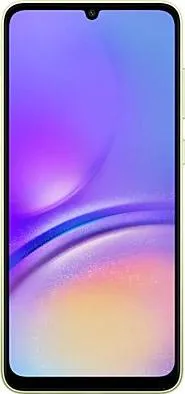
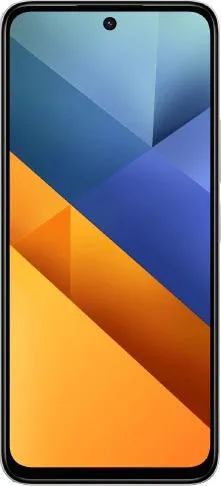
Samsung Galaxy A05 vs. Xiaomi Poco M6 4G: A Deep Dive for the Budget-Conscious Buyer
Let's dissect the Samsung Galaxy A05 and Xiaomi Poco M6 4G, two contenders vying for your attention in the budget smartphone arena. We'll go beyond the spec sheet to uncover what these devices offer in real-world use.
1. Specifications Breakdown
| Feature | Samsung Galaxy A05 | Xiaomi Poco M6 4G | Real-World Implications |
|---|---|---|---|
| Design | |||
| Dimensions | 168.8 x 78.2 x 8.8 mm | 168.6 x 76.3 x 8.3 mm | Poco M6 is slightly more compact and thinner. |
| Weight | 195g | 205g | Negligible difference in hand feel. |
| Display | |||
| Size | 6.7" | 6.79" | Poco M6 offers marginally more screen real estate. |
| Type | PLS LCD | IPS LCD | Both offer decent color reproduction; PLS LCD might have slightly better outdoor visibility. |
| Resolution | 720 x 1600 | 1080 x 2460 | Poco M6 boasts significantly sharper visuals (Full HD+ vs. HD+). |
| Refresh Rate | N/A | 90Hz | Poco M6's smoother scrolling and animations enhance user experience. |
| Performance | |||
| Chipset | Helio G85 (12nm) | Helio G91 Ultra (12nm) | Poco M6's chipset is slightly more powerful with better gaming capability |
| CPU | Octa-core (2x2.0 GHz Cortex-A75 & 6x1.8 GHz Cortex-A55) | Octa-core (2x2.0 GHz Cortex-A75 & 6x1.8 GHz Cortex-A55) | Similar CPU configurations, expect comparable performance in everyday tasks. |
| GPU | Mali-G52 MC2 | Mali-G52 MC2 | Similar GPUs; Poco M6 might offer slightly improved graphics performance due to the chipset. |
| RAM | 4GB/6GB | 8GB | Poco M6 provides more RAM for smoother multitasking. |
| Storage | 128GB | 256GB | Poco M6 offers double the storage capacity. |
| Other | |||
| OS | Android 13 | Android 14 | Poco M6 comes with a newer Android version out of the box. |
| Battery | 5000 mAh | 5030 mAh | Negligible difference in battery capacity. |
| NFC | No | Yes | Poco M6 supports contactless payments and data transfer. |
| Sensors | Accelerometer, Proximity | Accelerometer, Compass, Fingerprint (side-mounted) | Poco M6 offers a fingerprint sensor for enhanced security. |
Missing Camera Data: We lack detailed camera specifications, hindering a comprehensive comparison in this crucial area.
2. Key Insights
The Poco M6 4G clearly pulls ahead in several aspects: a sharper display with a higher refresh rate, more RAM and storage, a newer Android version, NFC functionality, and a fingerprint sensor. The Helio G91 Ultra chipset offers a marginal performance boost over the Helio G85, especially in gaming. The Galaxy A05's potential advantages lie in its possibly brighter PLS LCD and marginally lighter weight, but these are minor compared to the Poco M6's advantages.
3. User Profiles and Recommendations
Galaxy A05: Best suited for extremely budget-conscious users who prioritize basic communication and light usage. Its lower resolution display and lack of features like NFC might be deal-breakers for some.
Poco M6 4G: The better choice for most users in the budget segment. The superior display, performance, larger storage, and extra features like NFC significantly enhance the overall experience. It caters well to users who consume media, multitask moderately, and appreciate a smooth user interface.
4. Buying Decision Framework
- What's your budget? If extremely tight, the A05 might be the only option. However, the Poco M6's price-to-performance ratio is likely superior if you can stretch your budget a bit.
- Is a high-quality display important? The Poco M6's Full HD+ display with a 90Hz refresh rate delivers a noticeably better visual experience.
- Do you need NFC for contactless payments? If so, the Poco M6 is the only option.
My Choice: I would choose the Poco M6 4G. The superior display, performance, larger storage, NFC, and fingerprint sensor significantly outweigh the minor benefits of the Galaxy A05. The Poco M6 offers a more future-proof and enjoyable user experience for a relatively small price difference. Even without knowing the camera specifics, the other advantages are substantial enough to sway my decision. The 90Hz refresh rate alone drastically improves daily interaction with the phone. As a tech journalist, I appreciate the smoother and more responsive experience that a higher refresh rate offers. It's a feature that once you experience it, you'll find hard to go without.
