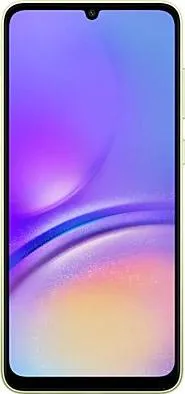
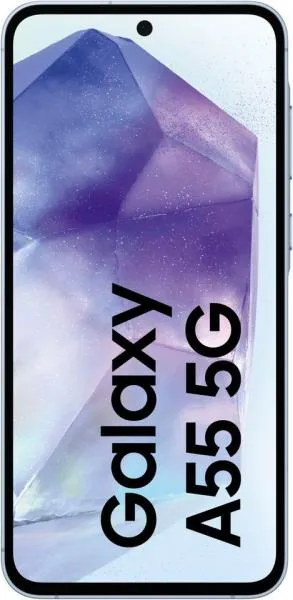
1. Specifications Comparison
| Feature | Samsung Galaxy A05 | Samsung Galaxy A55 | Practical Impact |
|---|---|---|---|
| Design | |||
| Dimensions | 168.8 x 78.2 x 8.8 mm | 161.1 x 77.4 x 8.2 mm | A55 is slightly smaller and thinner, making it potentially more pocketable. |
| Weight | 195g | 213g | A05 is noticeably lighter, reducing hand fatigue during extended use. |
| Build Materials | Not specified | Not specified | Cannot compare build quality and durability without more information. |
| Display | |||
| Display Type | PLS LCD | Super AMOLED, 120Hz, HDR10+ | A55 offers significantly better contrast, smoother animations (120Hz), and more vibrant colors with HDR10+ support. |
| Size | 6.7" | 6.6" | Negligible size difference in real-world usage. |
| Resolution | 720 x 1600 (262 ppi) | 1080 x 2340 (390 ppi) | A55 has much sharper text and images due to higher resolution and pixel density. |
| Refresh Rate | Not specified | 120Hz | A55's 120Hz refresh rate provides a smoother and more responsive user experience, especially noticeable in gaming and scrolling. |
| Peak Brightness | Not specified | 1000 nits (HBM) | A55's high peak brightness ensures better visibility in direct sunlight. |
| Performance | |||
| Chipset | Mediatek Helio G85 (12nm) | Exynos 1480 (4nm) | A55's 4nm Exynos chip offers significantly better performance and power efficiency compared to the A05's 12nm Helio G85. |
| CPU | Octa-core (2x2.0 GHz Cortex-A75 & 6x1.8 GHz Cortex-A55) | Octa-core (4x2.75 GHz Cortex-A78 & 4x2.0 GHz Cortex-A55) | A55 has a more powerful CPU architecture, resulting in faster app loading, smoother multitasking, and better gaming performance. |
| GPU | Mali-G52 MC2 | Xclipse 530 | A55's GPU provides a significant boost in graphics performance for demanding games and applications. |
| RAM/Storage | 128GB/4GB, 128GB/6GB | 256GB/8GB, 256GB/12GB | A55 offers more RAM and storage options, enabling smoother multitasking and ample space for apps and files. |
| Other | |||
| OS | Android 13 | Android 14 (upgradable to 18) | A55 ships with a newer Android version and will receive longer software updates, ensuring security and new features for a longer period. |
| NFC | False | True | A55 supports contactless payments and data transfer via NFC. |
| Battery | 5000 mAh | 5000 mAh | Similar battery capacity, but A55's more efficient processor likely results in better battery life. |
| Sensors | Accelerometer, Proximity | Accelerometer, Gyro, Compass, Fingerprint (under display) | A55 offers a more comprehensive sensor suite including a fingerprint sensor for enhanced security and convenience. |
2. Key Differences Analysis
Samsung Galaxy A05 Advantages:
- Lighter: Easier to hold for extended periods.
- Potentially Lower Price: Being a "low price" range device, it's likely more affordable.
Samsung Galaxy A55 Advantages:
- Superior Display: AMOLED with 120Hz, HDR10+, and higher resolution for a vastly improved visual experience.
- Significantly Better Performance: Faster processor, GPU, and more RAM for smoother multitasking and demanding tasks.
- Longer Software Support: Will receive updates for a longer period, ensuring security and new features.
- More Features: NFC for contactless payments, in-display fingerprint sensor for security.
- More Storage: Base storage of 256GB compared to 128GB on the A05.
3. User Profiles & Recommendations
Samsung Galaxy A05: Budget-conscious users who prioritize basic communication and light tasks (browsing, social media). Not recommended for gaming or demanding applications.
Samsung Galaxy A55: Users who value a smooth, responsive experience with a vibrant display. Suitable for gaming, multitasking, media consumption, and mobile photography.
4. Decision Framework
Key Questions for Buyers:
- What is your budget? The A05 is likely much cheaper.
- What are your primary use cases? For basic tasks, the A05 might suffice. For demanding tasks and media consumption, the A55 is significantly better.
- How important is display quality and performance? The A55 offers a major upgrade in these areas.
My Choice: Samsung Galaxy A55
While the Samsung Galaxy A05 might be a viable option for extremely budget-conscious users who only need a phone for basic communication, the A55 is the clear winner for almost everyone else. The superior display, significantly improved performance, longer software support, and additional features like NFC and a fingerprint sensor make it a much more compelling device. The price difference is likely justified by the substantial improvements across the board. The smoother user experience, better gaming capabilities, and future-proofing provided by longer software updates outweigh the weight difference and potential price premium.
