1. Specifications Comparison
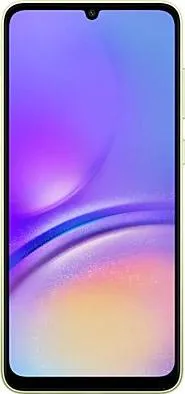
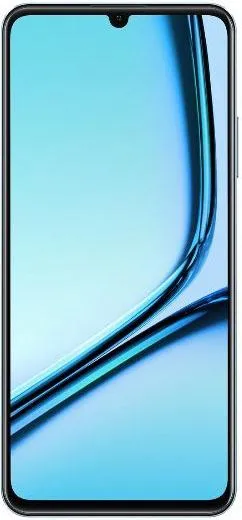
| Feature | Samsung Galaxy A05 | Realme Note 50 | Practical Impact |
|---|---|---|---|
| Design | |||
| Dimensions | 168.8 x 78.2 x 8.8 mm | 167.2 x 76.7 x 8 mm | Realme is slightly smaller and thinner, potentially improving one-handed use. |
| Weight | 195g | 186g | Realme is noticeably lighter, reducing hand fatigue during extended use. |
| Build Materials | Not specified | Not specified | Unable to compare build quality and durability. |
| Display | |||
| Size | 6.7" | 6.74" | Negligible size difference in real-world usage. |
| Type | PLS LCD | IPS LCD | Both are LCD panels with generally similar color accuracy and viewing angles. PLS LCD from Samsung might offer slightly better color reproduction and outdoor visibility, but this can vary. |
| Resolution | 720x1600 | 720x1600 | Identical resolution, resulting in similar sharpness. |
| Refresh Rate | Not specified | 90Hz | The 90Hz refresh rate on the Realme will provide a smoother and more responsive user experience, especially noticeable in scrolling and gaming. |
| Peak Brightness | Not specified | 560 nits | Realme's higher peak brightness ensures better visibility in direct sunlight. The lack of data for the A05 prevents a complete comparison. |
| Performance | |||
| Chipset | Mediatek Helio G85 (12nm) | Unisoc Tiger T612 (12nm) | Both are entry-level chipsets with comparable performance. Helio G85 might offer slightly better gaming performance due to a slightly higher clock speed on the performance cores. |
| CPU | Octa-core (2x2.0 GHz Cortex-A75 & 6x1.8 GHz Cortex-A55) | Octa-core (2x1.8 GHz Cortex-A75 & 6x1.8 GHz Cortex-A55) | A05 has a slight advantage in CPU performance due to the 2.0 GHz clock speed on its performance cores, potentially resulting in faster app loading and multitasking. |
| GPU | Mali-G52 MC2 | Mali-G57 | Mali-G57 in the Realme generally offers better graphics performance compared to the Mali-G52 MC2, leading to smoother gaming and potentially better handling of graphically demanding tasks. |
| RAM/Storage | 128GB/4GB, 128GB/6GB | 128GB/4GB | Samsung offers a 6GB RAM option, which can improve multitasking performance. |
| Other | |||
| Battery | 5000 mAh | 5000 mAh | Similar battery capacity, expected battery life depends on usage and optimization. |
| OS | Android 13 | Android 13 | Both run on the same OS version, offering a similar software experience. Long-term software updates are not guaranteed for either phone. |
| Sensors | Accelerometer, Proximity | Accelerometer, Proximity, Compass, Fingerprint (side-mounted) | Realme offers a fingerprint sensor for enhanced security and convenience, and a compass for navigation. |
| NFC | False | False | Neither phone supports NFC for contactless payments. |
2. Key Differences Analysis
Realme Note 50 Advantages:
- 90Hz Refresh Rate: Smoother and more responsive display.
- Higher Peak Brightness: Better outdoor visibility.
- Fingerprint Sensor: Added security and convenience.
- Lighter and Slightly Smaller: Improved handling and portability.
- Slightly Better GPU: Smoother gaming experience
Samsung Galaxy A05 Advantages:
- Slightly Faster CPU: Potentially faster app loading and multitasking.
- 6GB RAM Option: Improved multitasking for demanding users.
3. User Profiles & Recommendations
Realme Note 50: Suitable for users prioritizing a smooth display, better outdoor visibility, and added security features like a fingerprint sensor. Good for media consumption, casual gaming, and everyday use.
Samsung Galaxy A05: Suitable for users who prioritize performance for multitasking and might benefit from the 6GB RAM option. Good for users who frequently switch between apps or engage in slightly more demanding tasks.
4. Decision Framework
Key Questions for Buyers:
- Is a smooth display with a higher refresh rate important to you?
- Do you frequently use your phone outdoors in bright sunlight?
- How important is a fingerprint sensor for security and convenience?
Scenario-Based Recommendations:
- Budget-conscious user prioritizing smooth scrolling and media consumption: Realme Note 50.
- User needing better performance for multitasking and productivity: Samsung Galaxy A05 (6GB RAM version).
My Choice: Realme Note 50
While the Samsung Galaxy A05 offers a slight performance advantage in CPU and a 6GB RAM option, the Realme Note 50's 90Hz display, higher peak brightness, fingerprint sensor, and lighter weight make it a more compelling overall package for me. The smoother display significantly impacts daily use, providing a more enjoyable user experience. The fingerprint sensor adds convenience and security, while the brighter display is crucial for outdoor use. The slight performance difference likely won't be noticeable for average users. While the A05 with 6GB RAM could handle multitasking slightly better, 4GB is generally sufficient for everyday tasks. Ultimately, the Realme Note 50 offers a more well-rounded user experience for the likely similar price.
