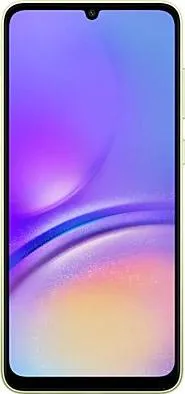
1. Specifications Comparison
| Feature | Samsung Galaxy A05 | Phone 8 | Practical Impact |
|---|---|---|---|
| Design | |||
| Dimensions | 168.8 x 78.2 x 8.8 mm | 162 x 75.1 x 8.7 mm | Phone 8 is slightly smaller and thinner, potentially offering a better one-handed grip. |
| Weight | 195g | 191g | Negligible weight difference. |
| Display | |||
| Size | 6.7" | 6.78" | Slightly larger screen on Phone 8, but practically negligible. |
| Type | PLS LCD | LTPO AMOLED | Phone 8's AMOLED offers significantly better contrast, deeper blacks, and potentially lower power consumption. |
| Resolution | 720 x 1600 | 1264 x 2780 | Phone 8 boasts a much sharper display with significantly higher pixel density (262 ppi vs 450 ppi), resulting in crisper text and images. |
| Refresh Rate | Not specified | 120Hz | Phone 8's 120Hz refresh rate provides a much smoother and more responsive user experience, especially noticeable in scrolling and gaming. |
| Peak Brightness | Not specified | 6000 nits | Phone 8's significantly higher peak brightness ensures excellent outdoor visibility even in direct sunlight. The lack of data for the A05 prevents a complete comparison. |
| Performance | |||
| Chipset | Mediatek Helio G85 (12nm) | Qualcomm SM7675 Snapdragon 7+ Gen 3 (4nm) | Phone 8 features a vastly more powerful and efficient processor, leading to significantly better performance in demanding tasks and gaming. The newer manufacturing process (4nm vs 12nm) also suggests better power efficiency for Phone 8. |
| CPU | Octa-core (2x2.0 GHz Cortex-A75 & 6x1.8 GHz Cortex-A55) | Octa-core (1x2.8 GHz Cortex-X4 & 4x2.6 GHz Cortex-A720 & 3x1.9 GHz Cortex-A520) | Phone 8 utilizes newer and faster CPU cores, offering a substantial performance advantage. |
| GPU | Mali-G52 MC2 | Adreno 732 | Phone 8's GPU is significantly more powerful, enabling smoother gaming and faster graphics rendering. |
| RAM/Storage | 128GB/4GB RAM, 128GB/6GB RAM | 512GB/12GB RAM | Phone 8 provides considerably more RAM and storage, allowing for smoother multitasking and ample space for apps and files. |
| Battery | |||
| Capacity | 5000 mAh | 5500 mAh | Phone 8 has a slightly larger battery capacity. However, real-world battery life depends on various factors including display, processor efficiency, and software optimization. |
| Other | |||
| OS | Android 13 | Android 14 | Phone 8 comes with a newer version of Android, potentially offering newer features and security updates. |
| NFC | No | Yes | Phone 8 supports NFC, enabling contactless payments and other NFC-based functionalities. |
| Sensors | Accelerometer, Proximity | Accelerometer, Gyro, Proximity, Compass, Fingerprint (under display), Color Spectrum | Phone 8 has a more comprehensive suite of sensors, including an in-display fingerprint sensor and a gyroscope for enhanced gaming and AR experiences. |
2. Key Differences Analysis
Phone 8 Advantages:
- Significantly superior performance: The Snapdragon 7+ Gen 3 chip, coupled with ample RAM, offers a vastly better user experience for gaming, multitasking, and demanding applications.
- Much better display: The high-resolution AMOLED display with a 120Hz refresh rate and high peak brightness offers vibrant colors, deep blacks, smooth scrolling, and excellent outdoor visibility.
- More features: NFC, in-display fingerprint sensor, and a wider array of sensors enhance usability and functionality.
Samsung Galaxy A05 Advantages:
- Potentially lower price: Given the "low price" designation, the A05 likely targets budget-conscious consumers.
Trade-offs:
- Performance vs. Price: The A05 sacrifices performance and features for affordability.
3. User Profiles & Recommendations
Samsung Galaxy A05: Suitable for users on a tight budget who primarily use their phone for basic tasks like calling, texting, web browsing, and social media. Not recommended for gaming or demanding applications.
Phone 8: Ideal for users who prioritize performance, a high-quality display, and the latest features. Suitable for power users, gamers, and those who consume multimedia content on their phones.
4. Decision Framework
Key Questions:
- What is your budget? The A05 is a budget option, while Phone 8 is a mid-range device.
- What are your primary phone usage patterns? For basic tasks, the A05 might suffice. For demanding tasks and gaming, Phone 8 is necessary.
- How important is display quality and smoothness? Phone 8's superior display is a major differentiator.
My Choice: Phone 8
While the Samsung Galaxy A05 might be a suitable option for extremely budget-conscious buyers, I would choose Phone 8. The significantly improved performance, vastly superior display, and inclusion of features like NFC and an in-display fingerprint sensor make it a much more compelling device. The smoother user experience provided by the 120Hz display and powerful processor alone justifies the price difference for me. Even without knowing the exact price difference, the performance and feature gap is significant enough to make Phone 8 the clear winner. A superior user experience outweighs a potentially lower price point in this comparison.
