1. Specifications Comparison
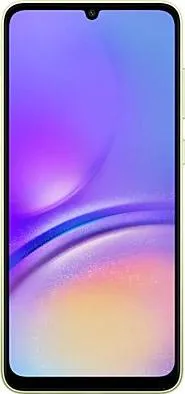
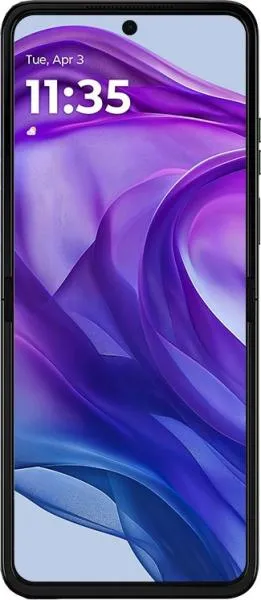
| Feature | Samsung Galaxy A05 | Motorola Razr 50 Ultra | Practical Impact |
|---|---|---|---|
| Design | |||
| Dimensions | 168.8 x 78.2 x 8.8 mm | 171.4 x 74 x 7.1 mm (folded) | Razr 50 Ultra is significantly thinner and potentially more pocketable when folded, but taller when unfolded. |
| Weight | 195g | 189g | Despite its larger size, the Razr is slightly lighter. |
| Foldable | No | Yes | Razr's foldable design offers unique portability and a larger screen when unfolded. |
| Display | |||
| Size | 6.7" | 6.9" | Razr offers a larger display area, especially when unfolded. |
| Type | PLS LCD | Foldable LTPO AMOLED | AMOLED provides significantly better contrast, colors, and viewing angles compared to LCD. LTPO allows for dynamic refresh rate adjustment, saving battery. |
| Resolution | 720 x 1600 | 1080 x 2640 | Razr has a much sharper display with higher pixel density. |
| Refresh Rate | Not specified | 165Hz | Razr's high refresh rate delivers smoother animations and scrolling. A05's unspecified refresh rate likely means a standard 60Hz. |
| Peak Brightness | Not specified | 3000 nits | Razr's exceptional brightness ensures excellent outdoor visibility. Lack of data for A05 prevents comparison. |
| Performance | |||
| Chipset | Mediatek Helio G85 (12nm) | Qualcomm SM8635 Snapdragon 8s Gen 3 (4nm) | Razr boasts a significantly more powerful and efficient processor, leading to much faster performance and better multitasking. |
| CPU | Octa-core (2x2.0 GHz Cortex-A75 & 6x1.8 GHz Cortex-A55) | Octa-core (1x3.0 GHz Cortex-X4 & 4x2.8 GHz Cortex-A720 & 3x2.0 GHz Cortex-A520) | Razr's CPU architecture is newer and more powerful, enabling faster app loading, smoother gaming, and better overall responsiveness. |
| GPU | Mali-G52 MC2 | Adreno 735 | Razr's GPU is considerably more powerful, resulting in superior gaming performance and smoother graphics rendering. |
| RAM/Storage | 128GB/4GB RAM, 128GB/6GB RAM | 256GB/12GB RAM | Razr offers significantly more RAM and storage, enabling better multitasking and more space for apps and files. |
| Battery | |||
| Capacity | 5000 mAh | 4000 mAh | A05 has a larger battery capacity on paper, but Razr's more efficient processor and LTPO display might result in comparable or even better battery life. |
| Other | |||
| OS | Android 13 | Android 14 | Razr comes with a newer Android version and longer promised OS updates (up to Android 17). |
| NFC | No | Yes | Razr supports contactless payments and data transfer via NFC. |
2. Key Differences Analysis
Motorola Razr 50 Ultra Advantages:
- Significantly more powerful: Superior processor, GPU, and RAM provide a vastly improved user experience in terms of speed, responsiveness, and multitasking.
- Higher-quality display: Foldable AMOLED with higher resolution, refresh rate, and brightness delivers a superior visual experience.
- More premium features: Foldable design, NFC, and longer software support enhance versatility and longevity.
Samsung Galaxy A05 Advantages:
- Potentially longer battery life: Larger battery capacity might translate to longer usage time, though this needs real-world testing to confirm.
- Lower price: Positioned in the low price range, making it more accessible.
3. User Profiles & Recommendations
Samsung Galaxy A05: Budget-conscious users who prioritize basic functionality (calling, texting, web browsing) and long battery life.
Motorola Razr 50 Ultra: Users who value cutting-edge technology, premium design, a top-tier display, and strong performance. Ideal for those who want a pocketable device with a large screen when needed. Suitable for demanding tasks like gaming and content creation.
4. Decision Framework
Key Questions for Buyers:
- What is your budget? The Razr 50 Ultra is significantly more expensive.
- What are your performance needs? For basic tasks, the A05 might suffice. For demanding apps and games, the Razr is a much better choice.
- Do you value portability and a large screen? The Razr's foldable design addresses both needs.
My Choice: Motorola Razr 50 Ultra
While the Samsung Galaxy A05 offers a budget-friendly option, the Motorola Razr 50 Ultra is the clear winner for me. The significantly superior performance, stunning display, innovative foldable design, and future-proof features like NFC and longer OS support outweigh the higher price and potentially smaller battery. The Razr provides a vastly improved user experience across the board. While battery life is a concern, the efficiency of the Snapdragon 8s Gen 3 and LTPO display mitigate this to some extent. I prioritize performance, a great display, and innovative features, making the Razr 50 Ultra the better choice for my needs.
