1. Specifications Comparison
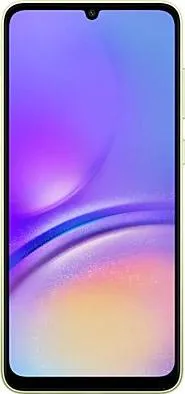
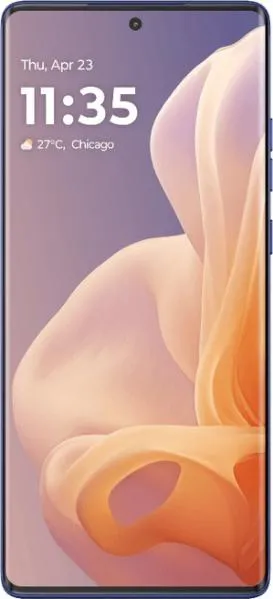
| Feature | Samsung Galaxy A05 | Motorola Moto G85 | Practical Impact |
|---|---|---|---|
| Design | |||
| Dimensions (mm) | 168.8 x 78.2 x 8.8 | 161.9 x 73.1 x 7.6 | Moto G85 is slightly smaller and thinner, potentially more comfortable for one-handed use. |
| Weight (g) | 195 | 171 | Moto G85 is noticeably lighter, reducing hand fatigue during extended use. |
| Build Materials | Not specified | Not specified | Cannot compare build quality and durability without more information. |
| Display | |||
| Display Type | PLS LCD | P-OLED | Moto G85's OLED offers richer colors, deeper blacks, and better power efficiency. |
| Size (inches) | 6.7 | 6.67 | Negligible size difference. |
| Resolution | 720 x 1600 | 1080 x 2400 | Moto G85 has a significantly sharper display, resulting in clearer text and images. |
| Refresh Rate (Hz) | Not specified | 120 | Moto G85's 120Hz refresh rate provides smoother scrolling and animations, enhancing the overall user experience. |
| Peak Brightness (nits) | Not specified | 1600 | Moto G85's higher peak brightness ensures better visibility in direct sunlight. |
| Performance | |||
| Chipset | Mediatek Helio G85 (12nm) | Qualcomm Snapdragon 6s Gen 3 (6nm) | Moto G85's newer and more efficient chipset likely offers better performance and battery life. The 6nm process indicates better power efficiency compared to the 12nm process. |
| CPU | Octa-core (2x2.0 GHz Cortex-A75 & 6x1.8 GHz Cortex-A55) | Octa-core (2x2.3 GHz Cortex-A78 & 6x2.0 GHz Cortex-A55) | Moto G85 boasts faster and more powerful CPU cores, translating to quicker app loading and smoother multitasking. |
| GPU | Mali-G52 MC2 | Adreno 619 | Moto G85 likely offers better gaming performance due to a more powerful GPU. Direct comparison is difficult without benchmarks. |
| RAM/Storage | 128GB/4GB RAM, 128GB/6GB RAM | 256GB/12GB RAM | Moto G85 offers significantly more RAM and storage, enabling smoother multitasking and ample space for apps and files. |
| Other | |||
| Battery Capacity (mAh) | 5000 | 5000 | Same battery capacity, but real-world battery life will depend on software optimization and display efficiency. |
| OS | Android 13 | Android 14 | Moto G85 comes with a newer Android version, offering potential performance and feature improvements. |
| NFC | False | True | Moto G85 supports NFC for contactless payments and data transfer. |
| Sensors | Accelerometer, Proximity | Accelerometer, Gyro, Proximity, Compass, Fingerprint (under display) | Moto G85 has a more comprehensive sensor suite, including a fingerprint sensor for enhanced security and convenience. |
2. Key Differences Analysis
Moto G85 Advantages:
- Superior Display: OLED technology, higher resolution, 120Hz refresh rate, and higher peak brightness deliver a dramatically better visual experience.
- Enhanced Performance: More powerful and efficient chipset, CPU, and GPU translate to smoother operation and better gaming capabilities.
- Larger Memory and Storage: More RAM and storage allow for smoother multitasking and ample space for apps and files.
- Added Features: NFC for contactless payments, a fingerprint sensor for security, and a newer Android OS version.
Samsung Galaxy A05 Advantages:
- Potentially Lower Price: Belonging to the "low price" range, it is likely more affordable.
3. User Profiles & Recommendations
Moto G85: Users who prioritize display quality, performance, and features like NFC and a fingerprint sensor. Suitable for gaming, media consumption, and multitasking.
Samsung Galaxy A05: Budget-conscious users who primarily need a basic smartphone for calling, texting, and light internet browsing.
4. Decision Framework
Key Questions:
- What is your budget?
- What are your primary smartphone usage patterns (e.g., gaming, media consumption, basic communication)?
- Which features are most important to you (e.g., display quality, performance, battery life, camera)?
Scenario-Based Recommendations:
- Tight Budget: Samsung Galaxy A05
- Balanced Needs: Moto G85
- Performance and Display Focused: Moto G85
My Choice: Motorola Moto G85
While the Samsung Galaxy A05 might be more budget-friendly, the Moto G85 offers a significantly better overall user experience due to its superior display, performance, and feature set. The differences in resolution, refresh rate, chipset, and RAM would noticeably impact daily usage. The inclusion of NFC and a fingerprint sensor further enhances practicality. For the long-term value and a more enjoyable user experience, the Moto G85 is the clear winner. The price difference is likely worth the investment for the significant performance and feature upgrades.
