1. Specifications Comparison
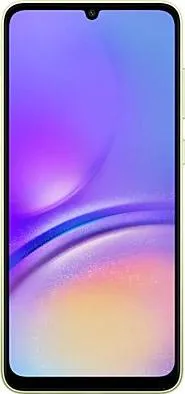
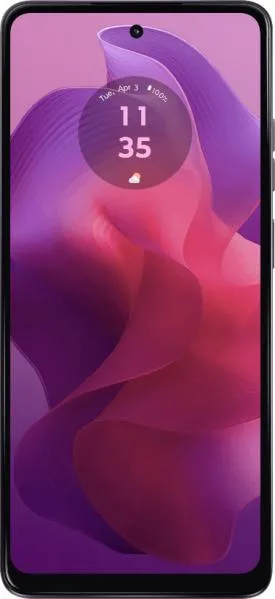
| Feature | Samsung Galaxy A05 | Motorola Moto G24 | Practical Impact |
|---|---|---|---|
| Design | |||
| Dimensions | 168.8 x 78.2 x 8.8 mm | 163.5 x 74.5 x 8 mm | Moto G24 is slightly smaller and might feel more comfortable in hand. |
| Weight | 195 g | 181 g | Moto G24 is noticeably lighter, reducing hand fatigue during extended use. |
| Colors | Silver, Black, Light Green | Matte Charcoal, Ice Green, Blueberry, Pink Lavender | Moto G24 offers a wider range of color options for greater personalization. |
| Display | |||
| Size | 6.7" | 6.56" | Negligible difference in screen real estate. |
| Type | PLS LCD | IPS LCD | Both are LCD panels; differences in quality are likely minimal without further specification about the specific panel implementations. |
| Resolution | 720 x 1600 | 720 x 1612 | Virtually identical pixel density, resulting in similar sharpness. |
| Refresh Rate | null | 90Hz | Moto G24's 90Hz refresh rate provides smoother scrolling and animations, leading to a more visually appealing and responsive experience. |
| Peak Brightness | null | 537 nits | Moto G24's specified peak brightness ensures better outdoor visibility. A05's unspecified brightness makes comparison impossible. |
| Performance | |||
| Chipset | Helio G85 (12nm) | Helio G85 (12nm) | Identical chipsets suggest similar performance. Minor CPU clock speed differences (Cortex-A55 cores) are unlikely to have noticeable impact. |
| CPU | 2x2.0 GHz Cortex-A75 & 6x1.8 GHz Cortex-A55 | 2x2.0 GHz Cortex-A75 & 6x1.7 GHz Cortex-A55 | The slight difference in clock speed on efficiency cores may marginally impact battery life, favoring the Moto G24, but real-world usage will be the determining factor. |
| GPU | Mali-G52 MC2 | Mali-G52 MC2 | Same GPU performance. |
| RAM | 4GB/6GB | 8GB | Moto G24's 8GB RAM enables smoother multitasking and better performance with demanding apps. |
| Storage | 128GB | 128GB | Equal storage capacity. |
| OS | Android 13 | Android 14 | Moto G24 ships with a newer Android version, offering potential feature and security advantages. |
| Other | |||
| Battery | 5000 mAh | 5000 mAh | Identical battery capacity suggests similar battery life, although real-world usage can vary. |
| NFC | False | True | Moto G24 supports NFC for contactless payments and other functionalities. |
| Sensors | accelerometer, proximity | accelerometer, gyro, proximity, compass, Fingerprint (side-mounted) | Moto G24 offers a more comprehensive sensor suite, including a fingerprint sensor for enhanced security and convenience. |
| Video Capabilities | 1080p@30/60fps | 1080p@30fps | A05 can record at 60fps, offering smoother video recording. |
2. Key Differences Analysis
Motorola Moto G24 Advantages:
- Smoother Display: 90Hz refresh rate
- Brighter Display: 537 nits peak brightness
- More RAM: 8GB
- Newer OS: Android 14
- NFC: For contactless payments
- Fingerprint Sensor: Added security and convenience
- Lighter and More Compact: Easier to handle
Samsung Galaxy A05 Advantages:
- Higher Video Frame Rate: 60fps recording
- Potentially Lower Price: Depending on market and specific RAM variant.
3. User Profiles & Recommendations
Moto G24: Suitable for users who prioritize a smooth and responsive user interface, value NFC for payments, need good outdoor visibility, and appreciate a lighter, more compact phone. Ideal for everyday tasks, social media, web browsing, and casual gaming.
Galaxy A05: Users on a tighter budget who prioritize video recording quality and don't need NFC might find the A05 acceptable, especially the 6GB RAM variant.
4. Decision Framework
Key Questions for Buyers:
- Is a smooth display with a higher refresh rate important to you?
- Do you frequently use contactless payments (NFC)?
- What is your budget, and how much do you prioritize video recording quality?
Scenario-Based Recommendations:
- Budget-conscious user needing basic functionality: Galaxy A05 (6GB variant if possible).
- User who values a smooth, modern experience with NFC: Moto G24.
My Choice: Motorola Moto G24
The Moto G24 offers significant advantages in terms of user experience due to its 90Hz display, brighter screen, more RAM, newer Android version, NFC functionality, and fingerprint sensor. The slightly lighter and more compact design is also a plus. While the Galaxy A05 offers 60fps video recording, the overall package of the Moto G24 makes it a more compelling choice for a broader range of users. The benefits of a smoother, more responsive user interface, combined with practical features like NFC and a fingerprint sensor, outweigh the A05's advantage in video recording for me. Unless budget is extremely tight, the Moto G24 seems like the better overall value.
