1. Specifications Comparison
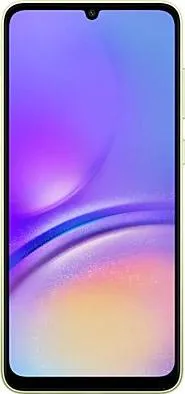
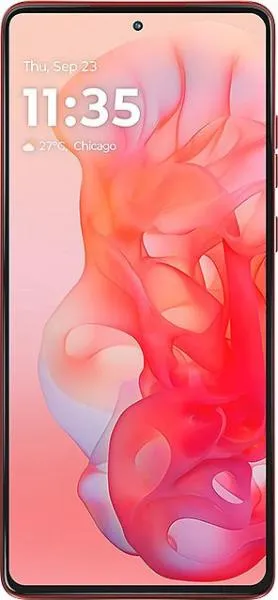
| Feature | Samsung Galaxy A05 | Motorola Moto G Stylus 5G (2024) | Practical Impact |
|---|---|---|---|
| Design | |||
| Dimensions | 168.8 x 78.2 x 8.8 mm | 162.6 x 74.8 x 8.3 mm | Moto G Stylus is slightly smaller and thinner, potentially more comfortable for one-handed use. |
| Weight | 195g | 190g | Negligible weight difference. |
| Build Materials | Not specified | Not specified | Unable to compare build quality and durability. |
| Display | |||
| Display Type | PLS LCD | P-OLED | Moto G Stylus offers deeper blacks, more vibrant colors, and better power efficiency due to P-OLED technology. |
| Size | 6.7" | 6.7" | Same screen size. |
| Resolution | 720 x 1600 (HD+) | 1080 x 2400 (FHD+) | Moto G Stylus has significantly sharper visuals due to higher resolution. |
| Refresh Rate | Not specified | 120Hz | Moto G Stylus provides smoother scrolling and animations thanks to the high refresh rate. |
| Peak Brightness | Not specified | 1200 nits | Moto G Stylus should offer superior outdoor visibility in bright sunlight. |
| Performance | |||
| Chipset | Mediatek Helio G85 (12nm) | Qualcomm Snapdragon 6 Gen 1 (4nm) | Snapdragon 6 Gen 1 provides significantly better performance and power efficiency due to its more advanced architecture and smaller manufacturing process. |
| CPU | Octa-core (2x2.0 GHz Cortex-A75 & 6x1.8 GHz Cortex-A55) | Octa-core (4x2.2 GHz Cortex-A78 & 4x1.8 GHz Cortex-A55) | Moto G Stylus offers faster processing speeds, leading to smoother multitasking and app loading. |
| GPU | Mali-G52 MC2 | Adreno 710 | Adreno 710 offers significantly better graphics performance, beneficial for gaming and demanding applications. |
| RAM/Storage | 128GB/4GB, 128GB/6GB | 256GB/8GB | Moto G Stylus offers more RAM and storage, enabling smoother multitasking and more space for apps and files. |
| Other | |||
| OS | Android 13 | Android 14 | Moto G Stylus ships with a newer Android version, likely offering longer software support and newer features. |
| Battery | 5000 mAh | 5000 mAh | Similar battery capacity, but actual battery life depends on usage and optimization. |
| NFC | No | Yes | Moto G Stylus supports contactless payments and data transfer via NFC. |
| Stylus | No | Yes (integrated) | Moto G Stylus provides a stylus for note-taking, sketching, and precise screen interaction. |
2. Key Differences Analysis
Motorola Moto G Stylus 5G (2024) Advantages:
- Significantly better performance: The Snapdragon 6 Gen 1, coupled with more RAM, offers a much smoother and faster user experience.
- Superior Display: P-OLED with higher resolution, refresh rate, and peak brightness results in a dramatically better visual experience.
- Added Functionality: Integrated stylus opens up new possibilities for creativity and productivity.
- Future-proofed: Newer Android version and 5G connectivity ensure longer software support and faster mobile data speeds.
Samsung Galaxy A05 Advantages:
- Potentially Lower Price: Belonging to a lower price range, the A05 might be more budget-friendly.
3. User Profiles & Recommendations
Samsung Galaxy A05: Suitable for users on a tight budget who primarily use their phones for basic tasks like calling, texting, and browsing. Not recommended for demanding tasks like gaming or media consumption.
Motorola Moto G Stylus 5G (2024): Ideal for users who value performance, a great display, and the versatility of a stylus. Suitable for students, artists, or anyone who needs a reliable and feature-rich phone without a flagship price tag. Excellent for media consumption, multitasking, and moderate gaming.
4. Decision Framework
Key Questions for Buyers:
- What is your budget? The A05 is likely significantly cheaper.
- What are your primary phone usage patterns? For basic tasks, the A05 might suffice. For demanding tasks or media consumption, the Moto G Stylus is vastly superior.
- How important are features like a stylus, high refresh rate display, and NFC? If these are crucial, the Moto G Stylus is the clear winner.
My Choice: Motorola Moto G Stylus 5G (2024)
While the price difference might be significant, the Motorola Moto G Stylus 5G (2024) offers a vastly superior user experience in almost every aspect. The performance difference alone would be a major factor for me, as a smooth and responsive phone is crucial for productivity and enjoyment. The superior display, stylus functionality, and newer Android version further solidify its position as the better choice. Unless budget is an extreme constraint, the Moto G Stylus is the clear winner. The long-term benefits of better performance, longer software updates, and a more enjoyable user experience outweigh the potential cost savings of the A05.
