1. Specifications Comparison
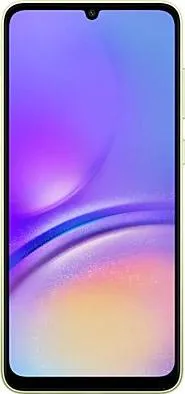
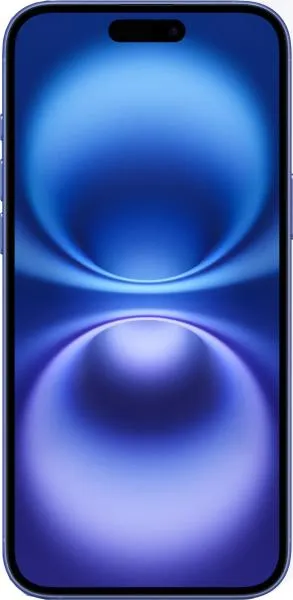
| Feature | Samsung Galaxy A05 | Apple iPhone 16 Plus | Practical Impact |
|---|---|---|---|
| Design | |||
| Dimensions | 168.8 x 78.2 x 8.8 mm | 160.9 x 77.8 x 7.8 mm | iPhone 16 Plus is slightly smaller and thinner, making it potentially more pocketable. |
| Weight | 195g | 199g | Negligible weight difference; both phones are relatively light. |
| Build Materials | Not specified | Not specified | Build materials impact durability and premium feel; this information is missing. |
| Display | |||
| Display Type | PLS LCD | Super Retina XDR OLED | OLED offers significantly better contrast, deeper blacks, and wider viewing angles, resulting in a superior visual experience on the iPhone. |
| Size | 6.7" | 6.7" | Identical screen sizes. |
| Resolution | 720 x 1600 (262 ppi) | 1290 x 2796 (460 ppi) | Much higher resolution on the iPhone results in sharper text and images. The difference in pixel density is noticeable. |
| Refresh Rate | Not specified | Not specified | A higher refresh rate makes scrolling and animations smoother. Lack of information makes comparison impossible. |
| Brightness | Not specified | 1000 nits (typ), 2000 nits (HBM) | iPhone's high peak brightness ensures better visibility in sunlight. Missing information for the A05 limits comparison. |
| Performance | |||
| Chipset | Mediatek Helio G85 (12nm) | Apple A18 (3nm) | A18 is a significantly more powerful and efficient chip, leading to much faster performance, smoother multitasking, and better battery life on the iPhone. |
| CPU | Octa-core (2x2.0 GHz Cortex-A75 & 6x1.8 GHz Cortex-A55) | Hexa-core (2x4.04 GHz + 4x2.20 GHz) | The A18's architecture and higher clock speeds translate to a substantial performance advantage for the iPhone. |
| GPU | Mali-G52 MC2 | Apple GPU (5-core graphics) | Apple's custom GPU is expected to deliver significantly better gaming and graphics performance compared to the Mali-G52. |
| RAM | 4GB/6GB | 8GB | More RAM on the iPhone allows for smoother multitasking and better handling of demanding applications. |
| Storage | 128GB | 256GB/512GB | iPhone offers more storage options for users with large media libraries. |
| Battery | |||
| Capacity | 5000 mAh | 4674 mAh | While the A05 has a larger battery capacity, the A18's efficiency could result in comparable or even better battery life on the iPhone. |
| Other | |||
| OS | Android 13 | iOS 18 | Different operating systems cater to different user preferences. |
| NFC | No | Yes | NFC enables contactless payments and other functionalities; its absence on the A05 is a significant limitation. |
| Sensors | Accelerometer, Proximity | Face ID, accelerometer, gyro, proximity, compass, barometer | The iPhone offers a wider array of sensors for enhanced functionality and user experience. |
2. Key Differences Analysis
Samsung Galaxy A05 Advantages:
- Potentially Longer Battery Life: Larger battery capacity might translate to longer usage time, but this depends heavily on real-world optimization which we can not asses.
Apple iPhone 16 Plus Advantages:
- Significantly Superior Performance: The A18 Bionic chip offers a massive performance advantage for demanding tasks, gaming, and overall responsiveness.
- Higher Quality Display: The Super Retina XDR OLED display delivers vibrant colors, deeper blacks, and higher resolution for a superior visual experience.
- More Premium Features: NFC for contactless payments, a wider range of sensors, and advanced video recording capabilities enhance the user experience.
3. User Profiles & Recommendations
Samsung Galaxy A05: Budget-conscious users who prioritize basic communication and light media consumption.
Apple iPhone 16 Plus: Users who demand high performance, a premium display, and a seamless user experience. Ideal for gaming, content creation, and multitasking.
4. Decision Framework
Key Questions for Buyers:
- What is your budget? The iPhone 16 Plus is significantly more expensive.
- What are your performance needs? For demanding tasks and gaming, the iPhone is vastly superior.
- Which operating system do you prefer? iOS and Android offer different user experiences.
My Choice: Apple iPhone 16 Plus
While the Samsung Galaxy A05 might offer a longer battery life due to its larger battery, the iPhone 16 Plus provides a significantly superior overall experience. The vastly improved performance, stunning display, premium features like NFC, and the robust iOS ecosystem make it the clear winner for me. Even though the iPhone 16 Plus comes at a premium price, the long-term value proposition considering performance, software updates, and overall user experience justifies the cost. The A05 caters to a very specific budget-focused market where basic functionality is the priority.
