
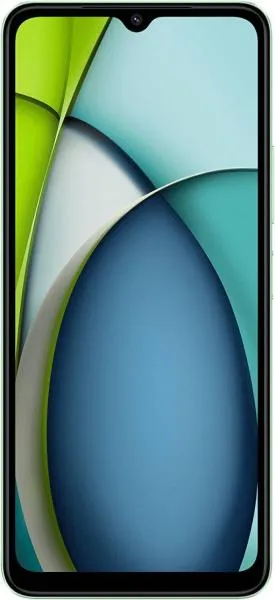
Samsung Galaxy A04e vs. Xiaomi Redmi A3x: A Budget Battle
Hello, fellow tech explorers! Today, we're diving deep into the world of budget smartphones, comparing the Samsung Galaxy A04e and the Xiaomi Redmi A3x. Both devices aim to deliver a solid mobile experience without breaking the bank, but which one comes out on top? Let's dissect the specs and uncover the real-world implications.
1. Specifications Breakdown
| Feature | Samsung Galaxy A04e | Xiaomi Redmi A3x | Real-World Implications | |
|---|---|---|---|---|
| Design | ||||
| Dimensions (mm) | 164.2 x 75.9 x 9.1 | 168.4 x 76.3 x 8.3 | A3x is slightly larger and thinner. | |
| Weight (g) | 188 | 193 | Negligible weight difference in hand. | |
| Display | ||||
| Size (inches) | 6.5 | 6.71 | A3x offers a slightly larger screen. | |
| Resolution (px) | 720 x 1600 | 720 x 1650 | Virtually identical sharpness; A3x slightly taller. | |
| Type | PLS LCD | IPS LCD | Similar visual experience; expect decent color and viewing angles. | |
| Refresh Rate (Hz) | - | 90 | A3x's 90Hz offers smoother scrolling and animations. | |
| Performance | ||||
| Chipset | Helio P35 (12nm) | Unisoc T603 (22nm) | A3x likely has a slight edge in performance due to newer architecture | |
| CPU | Octa-core 2.3 GHz | Octa-core 1.8 GHz | Clock speed difference might not translate significantly in real-world usage | |
| GPU | PowerVR GE8320 | Mali-G57 MP1 | A3x likely to perform better in graphic-intensive tasks | |
| RAM (GB) | 3/4 | 3/4 | Sufficient for basic tasks; 4GB variant better for multitasking. | |
| OS | Android 12 | Android 14 | A3x ships with a more modern OS and potentially longer support. | |
| Camera | ||||
| Rear Camera(s) | 13MP + 2MP | 8MP + 0.1MP | A04e has a higher resolution main sensor; practical image quality needs testing. | |
| Front Camera | 5MP | 5MP | Similar selfie camera resolution. | |
| Battery | ||||
| Capacity (mAh) | 5000 | 5000 | Similar battery life expected, depending on usage. |
2. Key Insights
- Display: The Redmi A3x boasts a smoother 90Hz display, providing a more fluid user experience compared to the A04e's standard 60Hz. While both have similar resolutions, that higher refresh rate on the A3x will be noticeable in everyday use.
- Performance: While the A04e has a slightly higher clock speed, the A3x's Unisoc T603 built on a newer 22nm process likely translates to better overall performance and efficiency. The Mali-G57 MP1 in the A3x should also offer better graphical capabilities for gaming.
- Software: The A3x's advantage of shipping with Android 14 is significant. This means newer features, better optimization, and potentially a longer period of software updates, contributing to a longer device lifespan.
- Camera: On paper, the A04e seems to have a better main camera with a 13MP sensor compared to the A3x's 8MP. However, megapixels aren't everything. Real-world image quality depends on factors like sensor size, aperture, and software processing, which require hands-on testing to evaluate properly. The secondary 0.1MP sensor on the A3x is practically useless.
3. User Profiles and Recommendations
- Samsung Galaxy A04e: Best for users who prioritize affordability above all else and primarily use their phones for basic tasks like calling, texting, and light web browsing.
- Xiaomi Redmi A3x: Best for users seeking a smoother, more modern software experience with better potential for gaming thanks to its superior GPU. The higher refresh rate display also enhances daily interactions.
4. Buying Decision Framework
- How important is software and long-term support? If you want the latest Android features and longer-term updates, the Redmi A3x is the clear winner.
- Is a smooth display a priority? The A3x's 90Hz refresh rate will provide a noticeably more fluid experience compared to the A04e.
- What's your budget? While both are budget-friendly, compare prices in your region as minor differences could sway the value proposition.
My Choice: Xiaomi Redmi A3x
If I were choosing between these two, I'd go with the Xiaomi Redmi A3x. The combination of a more modern OS (Android 14), a smoother 90Hz display, and a likely more powerful and efficient processor makes it a more compelling overall package for a budget device. While we need real-world camera comparisons, the other advantages of the A3x outweigh the potential difference in image quality. The longer software support alone is a major factor for ensuring a device remains relevant and secure over time. In the fast-paced world of technology, future-proofing is a valuable asset, even in the budget segment.
