
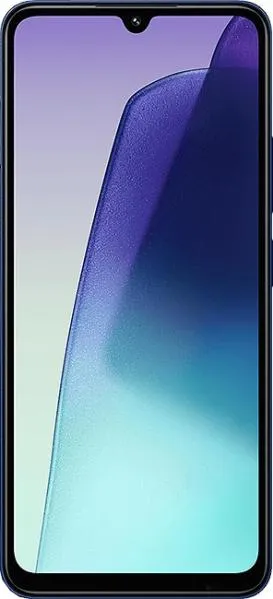
Samsung Galaxy A04e vs. Xiaomi Redmi 14C: A Deep Dive for the Budget-Conscious Buyer
Hello, fellow tech explorers! Today, we're dissecting two contenders in the budget smartphone arena: the Samsung Galaxy A04e and the Xiaomi Redmi 14C. We'll go beyond the spec sheets to uncover what these devices truly offer in terms of real-world performance and user experience. Let's get started!
1. Specifications Breakdown
| Feature | Samsung Galaxy A04e | Xiaomi Redmi 14C | Real-World Implications |
|---|---|---|---|
| Design | |||
| Dimensions (mm) | 164.2 x 75.9 x 9.1 | 171.9 x 77.8 x 8.2 | Redmi 14C is noticeably larger. A04e might be more pocketable. |
| Weight (g) | 188 | 211 | A04e is lighter, reducing hand fatigue during extended use. |
| Display | |||
| Size (inches) | 6.5 | 6.88 | Redmi 14C offers a larger screen for media consumption. |
| Resolution (px) | 720 x 1600 | 720 x 1640 | Negligible difference in sharpness; both are HD+. |
| Refresh Rate (Hz) | - | 120 | Redmi 14C's 120Hz provides smoother scrolling and animations, enhancing the user experience. |
| Display Type | PLS LCD | IPS LCD | Similar display technologies, expect decent color reproduction and viewing angles, though not top-tier. |
| Performance | |||
| Chipset | Helio P35 (12nm) | Helio G81 Ultra | Redmi 14C boasts a significantly more powerful processor for smoother multitasking and gaming. |
| CPU | Octa-core 2.3 GHz | Octa-core 2.0 GHz | Redmi 14C's CPU architecture is newer and more efficient despite the slightly lower clock speed. |
| RAM (GB) | 3/4 | 4/6/8 | Redmi 14C offers more RAM options, beneficial for heavy multitasking. |
| OS | Android 12 | Android 14 | Redmi 14C ships with a newer OS, offering potential feature and security advantages. |
| Camera | |||
| Rear Camera (MP) | 13 + 2 | 50 + 0.8 | Redmi 14C's 50MP main sensor promises significantly better image quality. |
| Selfie Camera (MP) | 5 | 13 | Redmi 14C has a higher resolution selfie camera. |
| Battery Life | |||
| Capacity (mAh) | 5000 | 5160 | Similar battery capacities, expect all-day battery life with moderate usage from both devices. |
| Other | |||
| NFC | No | Yes | Redmi 14C supports contactless payments and data transfer. |
| Price Range | Low | Medium | Redmi 14C is positioned at a slightly higher price point. |
2. Key Insights
The Redmi 14C clearly outperforms the A04e in terms of raw specifications, boasting a superior processor, larger display with a higher refresh rate, a more advanced camera system, NFC capability, and a newer operating system. However, the A04e is lighter and likely more affordable.
Redmi 14C Advantages: Superior performance for gaming and demanding tasks, smoother display, better camera, NFC for contactless payments.
A04e Advantages: Lighter and more compact design, potentially lower price point for budget-conscious buyers.
3. User Profiles and Recommendations
A04e: Best suited for users who prioritize basic communication (calls, texts, social media), light browsing, and exceptional battery life on a tight budget. Students or seniors seeking a simple, affordable device would find this suitable.
Redmi 14C: Ideal for users who demand more performance for gaming, multimedia consumption, and multitasking. Its larger screen and improved camera also make it a better choice for content creation and consumption.
4. Buying Decision Framework
Questions to Ask:
- What's your budget? The A04e is likely cheaper.
- What are your primary use cases? Basic communication vs. demanding tasks/gaming.
- Do you need NFC? This is a key differentiator, crucial for contactless payments.
My Choice: Xiaomi Redmi 14C
While the Samsung Galaxy A04e offers an attractive entry point for budget-conscious consumers, the Xiaomi Redmi 14C is the clear winner for me. The performance gap created by the Helio G81 Ultra chipset compared to the Helio P35 is significant. The 120Hz refresh rate dramatically improves the user experience, making interactions feel fluid and responsive. The inclusion of NFC is a major plus for modern convenience. While the Redmi 14C comes at a slightly higher price, the significant upgrades in performance, display, and features justify the added cost, offering far better value in the long run. As a tech enthusiast who appreciates smooth performance and modern conveniences, the Redmi 14C aligns more closely with my needs and preferences.
