
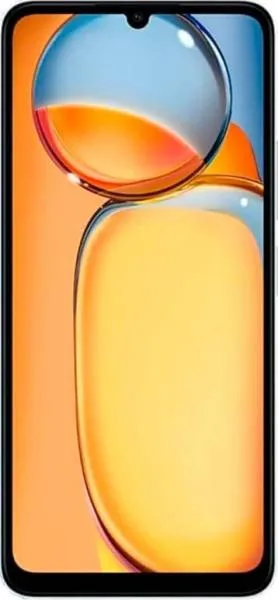
Samsung Galaxy A04e vs. Xiaomi Redmi 13C: A Deep Dive for the Budget-Conscious Buyer
Hello fellow tech explorers! Today, we're dissecting two contenders in the budget smartphone arena: the Samsung Galaxy A04e and the Xiaomi Redmi 13C. Both promise solid features without breaking the bank, but let's dig deeper to see which device truly delivers.
1. Specifications Breakdown
| Feature | Samsung Galaxy A04e | Xiaomi Redmi 13C | Real-World Implications |
|---|---|---|---|
| Design | |||
| Dimensions (mm) | 164.2 x 75.9 x 9.1 | 168.8 x 76.4 x 8.1 | Redmi 13C slightly larger |
| Weight (g) | 188 | 192 | Negligible difference in hand |
| Display | |||
| Size (inches) | 6.5 | 6.71 | Redmi 13C offers more screen real estate |
| Resolution | 720 x 1600 | 720 x 1600 | Identical sharpness; noticeable pixelation at this size |
| Refresh Rate | Standard | 90Hz | Redmi 13C smoother scrolling and animations |
| Display Type | PLS LCD | IPS LCD | Comparable color accuracy and viewing angles |
| Performance | |||
| Chipset | Helio P35 (12nm) | Helio G85 (12nm) | Redmi 13C significantly faster CPU and GPU for gaming and multitasking |
| CPU | Octa-core (4x2.3 GHz Cortex-A53 & 4x1.8 GHz Cortex-A53) | Octa-core (2x2.0 GHz Cortex-A75 & 6x1.8 GHz Cortex-A55) | Redmi 13C's more powerful cores provide a noticeable performance boost |
| RAM | 3GB/4GB | 4GB/6GB/8GB | Redmi 13C offers more RAM options for smoother multitasking |
| Camera | |||
| Rear Camera | 13MP + 2MP | 50MP + 2MP +0.08 | Redmi 13C boasts higher resolution main camera, potentially better detail |
| Front Camera | 5MP | 5MP | Identical selfie camera resolution |
| Battery Life | |||
| Capacity (mAh) | 5000 | 5000 | Similar battery capacity, expected comparable longevity |
| Other | |||
| NFC | No | Yes | Redmi 13C enables contactless payments and data transfer |
| OS | Android 12 | Android 13 | Redmi 13C runs a newer OS version with potential feature and security advantages |
2. Key Insights
The Redmi 13C pulls ahead in performance, thanks to its more powerful Helio G85 chipset, higher RAM options, and faster 90Hz display. This translates to a smoother, more responsive user experience, especially for gaming and multitasking. The 50MP main camera on the Redmi 13C also promises improved image quality, at least on paper. The inclusion of NFC adds significant value for contactless transactions.
The Galaxy A04e, while less powerful, focuses on affordability. It provides a basic smartphone experience without unnecessary frills.
3. User Profiles and Recommendations
Redmi 13C: Best suited for budget-conscious users who prioritize performance, gaming capabilities, a smooth display, and modern features like NFC.
Galaxy A04e: Ideal for users who primarily need a device for basic communication (calls, texts, social media) and light web browsing. Its simplicity and affordability make it a good option for first-time smartphone users or as a secondary device.
4. Buying Decision Framework
- What is your primary use for a smartphone? Basic communication or demanding tasks?
- Is gaming a priority? The Redmi 13C's superior performance is crucial for a smooth gaming experience.
- Is your budget extremely tight? The A04e offers the most barebones, affordable option.
My Choice: I would choose the Xiaomi Redmi 13C. The performance gains from the Helio G85 processor, coupled with the 90Hz refresh rate, NFC functionality, and newer Android version, make it a significantly better value proposition, even with a slightly higher price. While the 50MP camera's real-world performance needs further investigation, the overall package leans heavily in favor of the Redmi 13C for a more enjoyable and future-proof user experience. The A04e feels too compromised in comparison.
