Samsung Galaxy A04e vs. Xiaomi Poco M6 Pro: A Deep Dive
Let's dissect the Samsung Galaxy A04e and Xiaomi Poco M6 Pro, two smartphones targeting different segments of the market. We'll translate the raw specs into real-world performance insights to help you decide which phone fits your needs.
1. Specifications Breakdown
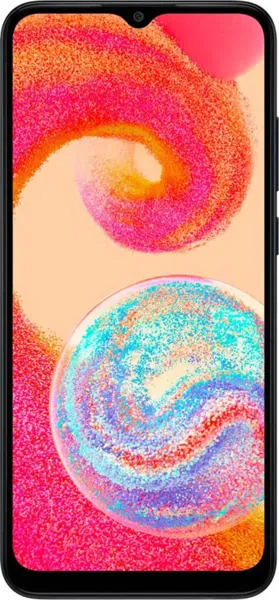
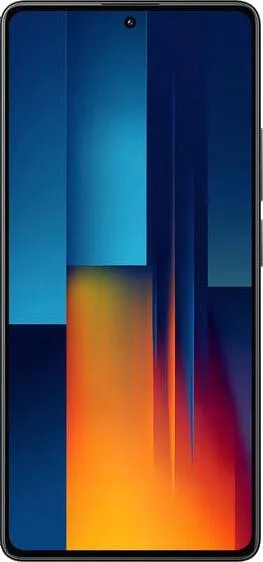
| Feature | Samsung Galaxy A04e | Xiaomi Poco M6 Pro | Real-World Implications | Category |
|---|---|---|---|---|
| Price Range | Low | Medium | Significant cost difference; A04e prioritizes affordability, M6 Pro offers more premium features | General |
| Launch Date | Nov 2022 | Jan 2024 | M6 Pro benefits from newer technology and potentially longer software support. | General |
| Dimensions | 164.2 x 75.9 x 9.1 mm | 161.1 x 75 x 8 mm | M6 Pro is slightly more compact and thinner. | Design |
| Weight | 188g | 179g | Negligible difference in weight, both are comfortable to hold. | Design |
| Display Type | PLS LCD | AMOLED | M6 Pro offers vibrant colors, deeper blacks, and better power efficiency. | Display |
| Display Size | 6.5" | 6.67" | M6 Pro provides a larger screen for media consumption. | Display |
| Resolution | 720 x 1600 | 1080 x 2400 | M6 Pro boasts significantly sharper visuals. | Display |
| Refresh Rate | - | 120Hz | M6 Pro delivers smoother scrolling and animations. | Display |
| Chipset | Helio P35 | Helio G99 Ultra | M6 Pro offers much faster processing and better gaming performance. | Performance |
| CPU | Octa-core 2.3 GHz | Octa-core 2.2 GHz | M6 Pro's architecture and higher clock speeds on performance cores deliver superior performance. | Performance |
| GPU | PowerVR GE8320 | Mali-G57 MC2 | M6 Pro handles graphics-intensive tasks much more efficiently. | Performance |
| RAM | 3GB | 8GB (reviewed) | M6 Pro enables smoother multitasking and app switching. | Performance |
| Storage | 32GB | 512GB (reviewed) | M6 Pro offers significantly more storage for apps, photos, and videos. | Performance |
| Main Camera | 13MP | 64MP | M6 Pro captures more detail and offers better low-light performance. | Camera |
| Battery | 5000mAh | 5000mAh | Similar battery capacity, but M6 Pro's AMOLED display contributes to better overall battery life. | Battery |
| NFC | No | Yes | M6 Pro supports contactless payments and data transfer. | Connectivity |
2. Key Insights
The Xiaomi Poco M6 Pro is a clear winner in terms of performance, display, and overall features. Its modern chipset, ample RAM and storage, high-resolution AMOLED display with a 120Hz refresh rate, and superior camera system provide a significantly enhanced user experience.
The Samsung Galaxy A04e, however, focuses on affordability. While its performance is modest, it handles basic tasks adequately. It’s a practical choice for budget-conscious users who prioritize essential communication and light app usage.
3. User Profiles and Recommendations
Samsung Galaxy A04e: Ideal for users who primarily use their phones for calling, texting, browsing, and social media. Students, seniors, or anyone on a tight budget might find this phone sufficient.
Xiaomi Poco M6 Pro: Suitable for users who demand a smooth and responsive experience for gaming, multimedia consumption, and multitasking. Content creators, mobile photographers, and those who appreciate a vibrant display will prefer the M6 Pro.
4. Buying Decision Framework
Questions to consider:
- What is your budget? The A04e is significantly cheaper.
- What are your primary phone usage patterns? Basic communication vs. demanding tasks.
- How important are display quality and performance? The M6 Pro excels in these areas.
Scenario-Based Recommendations:
- Limited Budget, Basic Needs: Samsung Galaxy A04e
- Balanced Performance and Price: Xiaomi Poco M6 Pro (consider lower storage variant if budget is a concern)
- Best Possible Experience: Xiaomi Poco M6 Pro
My Choice: Xiaomi Poco M6 Pro
If I were choosing between these two, I'd go with the Xiaomi Poco M6 Pro. While the Samsung Galaxy A04e offers excellent value for its price, I prioritize a smooth user experience, a vibrant display, and strong performance. The M6 Pro's AMOLED screen, 120Hz refresh rate, powerful processor, and superior camera system are compelling features that significantly enhance daily usage. As someone who often multitasks, consumes media, and appreciates mobile photography, the M6 Pro aligns better with my needs. The higher price is justified by the substantial upgrade in features and overall quality. The longevity offered by the newer hardware and expected longer software support further solidifies the M6 Pro as the better long-term investment.
