
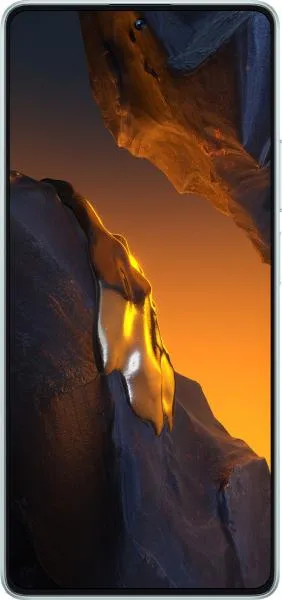
Samsung Galaxy A04e vs. Xiaomi Poco F5: A Deep Dive
Let's dissect the Samsung Galaxy A04e and Xiaomi Poco F5, two smartphones targeting different segments of the market. I'll break down their specs, analyze their real-world performance, and help you decide which phone best fits your needs.
1. Specifications Breakdown
| Feature | Samsung Galaxy A04e | Xiaomi Poco F5 | Real-World Implications |
|---|---|---|---|
| Design | |||
| Dimensions (mm) | 164.2 x 75.9 x 9.1 | 161.1 x 75 x 7.9 | Poco F5 is slightly more compact and thinner. |
| Weight (g) | 188 | 181 | Negligible difference in hand feel. |
| Display | |||
| Type | PLS LCD | AMOLED | Poco F5 offers richer colors, deeper blacks, and better contrast. |
| Size | 6.5" | 6.67" | Poco F5 has a slightly larger screen. |
| Resolution | 720 x 1600 | 1080 x 2400 | Poco F5 boasts significantly sharper visuals. |
| Refresh Rate | N/A | 120Hz | Poco F5 enables smoother scrolling and animations. |
| Performance | |||
| Chipset | Helio P35 | Snapdragon 7+ Gen 2 | Poco F5 delivers vastly superior processing power and graphics. |
| CPU | Octa-core 2.3 GHz | Octa-core 2.91 GHz | Poco F5 offers much faster and more responsive performance. |
| RAM | 3GB/4GB | 8GB/12GB | Poco F5 allows for seamless multitasking and demanding applications. |
| Camera | |||
| Main Camera | 13MP | 64MP | Poco F5 captures significantly more detailed photos. |
| Video | 1080p@30fps | 4K@30fps | Poco F5 records higher resolution videos. |
| Features | Basic | OIS, Ultrawide, Macro | Poco F5 offers advanced features and image stabilization. |
| Battery Life | |||
| Capacity | 5000 mAh | 5000 mAh | Similar battery capacity, but real-world usage will vary. |
2. Key Insights
The Xiaomi Poco F5 is a clear winner in terms of performance, display, and camera. Its powerful Snapdragon 7+ Gen 2 processor, coupled with ample RAM, ensures a smooth and responsive experience. The AMOLED display with a 120Hz refresh rate provides vibrant visuals and fluid animations. The 64MP camera system with OIS and ultrawide capabilities captures stunning photos and videos.
The Samsung Galaxy A04e, on the other hand, is a budget-friendly device that prioritizes affordability. Its Helio P35 processor and lower resolution display are suitable for basic tasks like browsing, social media, and light gaming. While its camera and battery are decent for its price point, they don't match the Poco F5's capabilities.
3. User Profiles and Recommendations
Samsung Galaxy A04e: Ideal for budget-conscious users who prioritize essential smartphone functionality. Suitable for light users who primarily use their phone for calling, texting, and basic apps. Not recommended for gaming or demanding tasks.
Xiaomi Poco F5: A great choice for power users, gamers, and photography enthusiasts. Its robust performance and advanced features cater to those seeking a high-quality smartphone experience without breaking the bank.
4. Buying Decision Framework
- What is your budget? The A04e is significantly cheaper, while the Poco F5 represents a mid-range investment.
- What are your primary smartphone needs? Basic tasks vs. demanding applications and gaming.
- How important is camera quality and display performance? The Poco F5 excels in both areas.
Scenario-Based Recommendations:
- Student on a tight budget: Samsung Galaxy A04e
- Mobile gamer: Xiaomi Poco F5
- Photography enthusiast: Xiaomi Poco F5
- Casual user who wants a long-lasting battery: Either phone could work, but real-world battery tests would be needed for a definitive answer.
My Choice: Xiaomi Poco F5
While the Galaxy A04e serves its purpose as a budget device, I would choose the Xiaomi Poco F5. The significant performance leap, superior display, and versatile camera system make it a much more compelling device. As someone who values a smooth and responsive user experience, the Poco F5's Snapdragon 7+ Gen 2 processor and 120Hz AMOLED display are major selling points. The improved camera capabilities for both photos and videos further solidify its position as the better overall smartphone. The price difference is justified by the substantial upgrade in features and performance.
