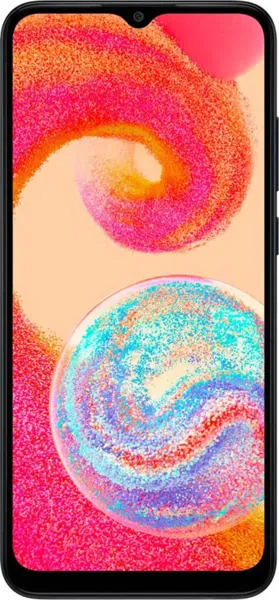
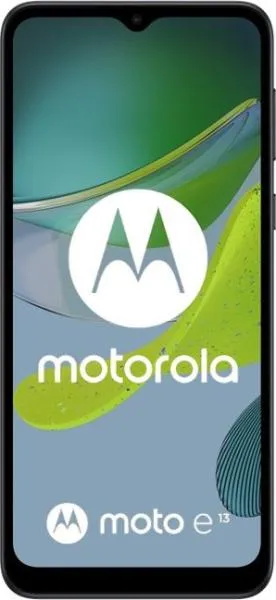
Samsung Galaxy A04e vs. Motorola Moto E13: A Budget Battle
Hello, fellow tech explorers! Today, we're diving deep into the world of budget smartphones, comparing the Samsung Galaxy A04e and the Motorola Moto E13. Both devices aim to deliver a respectable smartphone experience without breaking the bank, but which one comes out on top? Let's dissect the specs and uncover the real-world implications.
1. Specifications Breakdown
| Feature | Samsung Galaxy A04e | Motorola Moto E13 | Real-World Implications |
|---|---|---|---|
| Design | |||
| Dimensions | 164.2 x 75.9 x 9.1 mm | 164.2 x 75 x 8.5 mm | Moto E13 is slightly thinner and lighter, potentially offering a more comfortable in-hand feel. |
| Weight | 188g | 179.5g | Moto E13's lighter weight might be noticeable during extended use. |
| Display | |||
| Size | 6.5" | 6.5" | Identical screen sizes offer similar media consumption experiences. |
| Resolution | 720 x 1600 px | 720 x 1600 px | Both displays have the same resolution, resulting in similar sharpness. |
| Type | PLS LCD | IPS LCD | While both are LCDs, PLS LCD generally offers slightly wider viewing angles and better color reproduction. |
| Performance | |||
| Chipset | Helio P35 (12nm) | Unisoc T606 (12nm) | Unisoc T606 generally benchmarks higher, indicating potentially smoother multitasking and gaming. |
| CPU | Octa-core (4x2.3 GHz Cortex-A53 & 4x1.8 GHz Cortex-A53) | Octa-core (2x1.6 GHz Cortex-A75 & 6x1.6 GHz Cortex-A55) | Moto E13's CPU architecture with Cortex-A75 cores may offer better performance in demanding tasks. |
| GPU | PowerVR GE8320 | Mali-G57 MP1 | Mali-G57 generally offers better gaming performance than the PowerVR GE8320. |
| RAM | 3GB/4GB | 2GB/4GB/8GB | More RAM options available for the Moto E13, allowing users to tailor performance to their needs. |
| OS | Android 12 | Android 13 | Moto E13 ships with a newer Android version, offering potential feature and security advantages. |
| Camera | |||
| Rear Camera | 13MP + 2MP | 13MP | A04e has a dedicated depth sensor for portrait mode; Moto E13 relies on software processing. |
| Front Camera | 5MP | 5MP | Similar front camera resolution for selfies and video calls. |
| Battery Life | |||
| Capacity | 5000mAh | 5000mAh | Identical battery capacities suggest similar potential battery life. Both phones lack fast charging. |
2. Key Insights
Both phones target the budget-conscious consumer, but their subtle differences create distinct user experiences. The Moto E13 boasts a slightly more powerful processor (Unisoc T606) and a newer operating system (Android 13), hinting at better performance and longevity. The Galaxy A04e counters with a dedicated depth sensor for potentially improved portrait photos.
In daily use, the Moto E13's performance advantage might be noticeable when switching between apps or playing light games. However, both phones are geared towards essential tasks – browsing, social media, and communication. Neither device is designed for heavy gaming or demanding applications.
3. User Profiles and Recommendations
- Moto E13: Best suited for users who prioritize performance and software updates within a tight budget. Its newer chipset and Android version offer a slight edge in future-proofing.
- Galaxy A04e: Ideal for users who value a dedicated depth sensor for portrait mode photography and prefer the Samsung user interface.
4. Buying Decision Framework
- What is your budget? Compare prices for similar RAM and storage configurations.
- What is your primary use case? Basic tasks? Light gaming? Photography?
- How important are software updates? Android 13 on the Moto E13 offers a longer support window.
My Choice: The Motorola Moto E13
If I were choosing between these two, I'd lean towards the Motorola Moto E13. The combination of a more modern processor, the newer Android 13 operating system, and potentially more RAM (depending on the configuration) makes it a slightly more compelling package for long-term use. While the A04e's dedicated depth sensor is a nice touch, the overall performance and software advantages of the E13 resonate more with my priorities. In the rapidly evolving world of mobile technology, a newer OS and a more capable chipset offer a better foundation for a smoother, longer-lasting user experience. The slightly lighter weight is a bonus as well!
