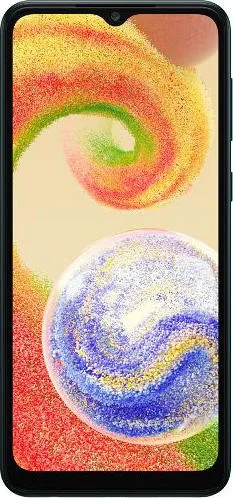
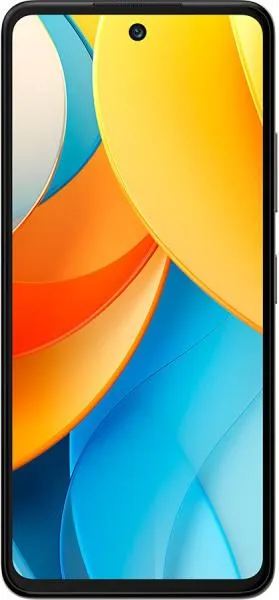
Samsung Galaxy A04 vs. ZTE Blade V60 Design: A Practical Comparison
Let's dive into a head-to-head comparison of the Samsung Galaxy A04 and the ZTE Blade V60 Design, two budget-friendly smartphones vying for your attention. We'll dissect their specs, analyze their real-world performance, and help you decide which phone best fits your needs.
1. Specifications Breakdown
| Feature | Samsung Galaxy A04 | ZTE Blade V60 Design | Real-World Implications |
|---|---|---|---|
| Design | |||
| Dimensions (mm) | 164.4 x 76.3 x 9.1 | 164.2 x 75.3 x 8.6 | V60 Design is slightly thinner and narrower. Negligible difference in hand feel. |
| Weight (g) | 192 | 198 | Both are lightweight, but A04 is marginally lighter. |
| Build Materials | Plastic | Plastic | Expect similar durability and in-hand feel. |
| Display | |||
| Size | 6.5" | 6.6" | V60 Design offers slightly more screen real estate. |
| Resolution | 720 x 1600 | 720 x 1612 | Virtually identical sharpness; both are HD+ displays. |
| Refresh Rate | Standard | 90Hz | V60 Design's 90Hz delivers smoother scrolling and animations. Noticeably better user experience. |
| Display Type | PLS LCD | IPS LCD | Similar color accuracy and viewing angles expected, but PLS LCD might offer slightly better outdoor visibility. |
| Performance | |||
| Chipset | Helio P35 | Unisoc T606 | T606 generally offers better CPU and GPU performance, leading to faster app loading and smoother multitasking. |
| CPU | Octa-core 2.3 GHz | Octa-core 1.6 GHz | While A04 has a higher clock speed, T606's architecture is more modern and efficient. |
| RAM | 4GB | 6GB | V60 Design's 6GB RAM enables better multitasking and app switching. |
| Storage | Up to 128GB | Up to 256GB | V60 Design provides significantly more storage for apps, photos, and videos. |
| Camera | |||
| Main Camera | 50MP | 50MP | Similar resolution; image quality will depend on sensor and processing. |
| Front Camera | 5MP | 8MP | V60 Design likely offers better selfie quality with higher resolution. |
| Battery Life | |||
| Capacity | 5000 mAh | 5000 mAh | Expect similar battery life, though real-world usage will vary. |
2. Key Insights
- Performance: The ZTE Blade V60 Design pulls ahead with its more powerful Unisoc T606 processor, larger RAM, and faster refresh rate display. This translates to a smoother, more responsive user experience, especially when multitasking or gaming.
- Display: While both phones have similar HD+ resolutions, the V60 Design's 90Hz refresh rate is a significant advantage, making interactions feel noticeably smoother.
- Storage: The V60 Design offers double the storage of the A04, a major plus for users who store lots of media or apps.
- Camera: Both phones feature 50MP main cameras, but the V60 Design boasts an 8MP front camera compared to the A04's 5MP, suggesting better selfie quality. Detailed camera performance will depend on factors beyond megapixel count.
- Price: The ZTE Blade V60 Design is priced higher, reflecting its superior specs. However, it still falls within the budget category.
3. User Profiles and Recommendations
- Samsung Galaxy A04: Best for users on a tight budget who prioritize basic smartphone functionality: calling, texting, social media, and light web browsing.
- ZTE Blade V60 Design: Ideal for users who want a more responsive and fluid user experience, enjoy mobile gaming, or need ample storage for their media.
4. Buying Decision Framework
- What's your budget? If price is the primary concern, the A04 is the more affordable option.
- How important is performance? If you value smooth multitasking and gaming, the V60 Design's superior hardware is worth the extra cost.
- How much storage do you need? If you frequently download apps, take photos, or shoot videos, the V60 Design's 256GB storage is a huge advantage.
My Choice: ZTE Blade V60 Design
While the Samsung Galaxy A04 offers solid value for its price, I would choose the ZTE Blade V60 Design. The combination of a more powerful processor, larger RAM, a 90Hz display, double the storage, NFC for contactless payments, and a better front-facing camera makes it a more compelling overall package. The improved performance and smoother user experience are worth the price difference for me. The added benefit of future-proofing with Android 13 and potential for further OS updates solidified my choice. Even minor things, like having a side-mounted fingerprint reader and USB OTG (On-The-Go) add extra versatility that I find appealing.
