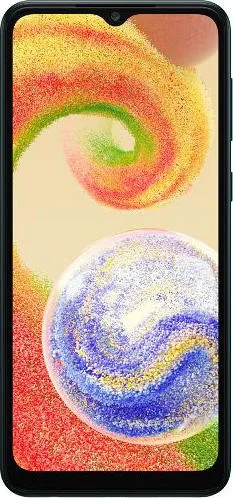
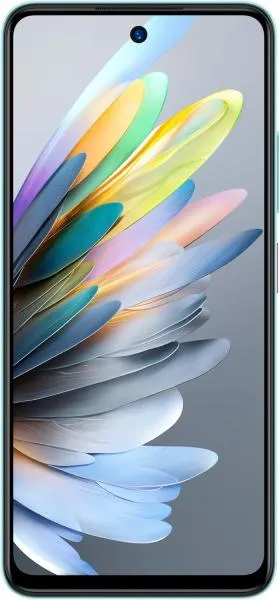
Samsung Galaxy A04 vs. ZTE Blade A75 4G: A Deep Dive for the Budget-Conscious Buyer
Hello fellow tech explorers! Today, we're diving deep into two contenders vying for a spot in your pocket: the Samsung Galaxy A04 and the ZTE Blade A75 4G. Both aim to deliver a solid smartphone experience without breaking the bank, but how do they stack up against each other? Let's dissect their specs and uncover the nuances that separate them.
1. Specifications Breakdown
| Feature | Samsung Galaxy A04 | ZTE Blade A75 4G | Real-World Implications |
|---|---|---|---|
| Design | |||
| Dimensions (mm) | 164.4 x 76.3 x 9.1 | 164.1 x 75.8 x 8.6 | Virtually identical in size and feel. |
| Weight (g) | 192 | 189 | Negligible difference in weight; both are comfortable to hold. |
| Display | |||
| Size (inches) | 6.5 | 6.6 | ZTE offers slightly more screen real estate. |
| Resolution (px) | 720 x 1600 | 720 x 1612 | Nearly identical resolutions; expect similar sharpness. ZTE's taller aspect ratio might offer slightly more vertical content. |
| Type | PLS LCD | IPS LCD, 90Hz | ZTE's 90Hz refresh rate will deliver smoother scrolling and animations, a significant advantage for perceived responsiveness. |
| Performance | |||
| Chipset | Helio P35 | Unisoc T606 | Both are entry-level chipsets; expect comparable performance in basic tasks. Unisoc T606 boasts slightly better CPU architecture. |
| CPU | Octa-core (4x2.3 GHz Cortex-A53 & 4x1.8 GHz Cortex-A53) | Octa-core (2x1.6 GHz Cortex-A75 & 6x1.6 GHz Cortex-A55) | ZTE's CPU configuration may offer better performance in demanding tasks due to its more powerful Cortex-A75 cores. |
| RAM (GB) | 4 | 4 | Base RAM configurations are equal. |
| Storage (GB) | Up to 128 | Up to 256 | ZTE offers significantly more storage in its base configuration. |
| Camera | |||
| Rear Main (MP) | 50 | 50 | Comparable main camera resolution. |
| Front (MP) | 5 | 8 | ZTE boasts a higher resolution front-facing camera for potentially better selfies. |
| Battery Life | |||
| Capacity (mAh) | 5000 | 5000 | Identical battery capacities; real-world battery life will depend on software optimization and usage patterns. |
| Other | |||
| NFC | No | Yes | ZTE offers NFC for contactless payments and other functionalities. A significant advantage for some users. |
| OS | Android 12 | Android 13 | ZTE comes with a more recent Android version out of the box. |
2. Key Insights
The ZTE Blade A75 4G pulls ahead in key areas: its 90Hz display provides a noticeably smoother user experience, the Unisoc T606 processor boasts a more modern architecture with performance cores, greater internal storage offers ample space for apps and media, NFC enables contactless payments, and it ships with the latest Android version.
The Samsung Galaxy A04, while offering a similar core experience, lacks the standout features of the ZTE. Its lower resolution front-facing camera and absence of NFC might be dealbreakers for some.
3. User Profiles and Recommendations
Samsung Galaxy A04: Best suited for users on an extremely tight budget who prioritize basic functionality and brand recognition. It's a reliable device for calls, texting, and light web browsing.
ZTE Blade A75 4G: Ideal for budget-conscious users who value a smooth display, ample storage, and modern features like NFC. It's a well-rounded device for everyday tasks, media consumption, and even some light gaming. The newer OS and more powerful CPU makes it more future proof than the Galaxy A04.
4. Buying Decision Framework
Is a smooth display a priority? If yes, the ZTE Blade A75 4G's 90Hz refresh rate is a significant advantage.
Do you need NFC for contactless payments? If yes, the ZTE is the only option.
How important is future-proofing with OS updates and performance? If this matters, the newer processor architecture, OS, and general feature set of the ZTE make it a better long-term investment.
My Choice: ZTE Blade A75 4G
While the Samsung Galaxy A04 offers rock-bottom pricing, the ZTE Blade A75 4G provides a significantly better user experience for a marginally higher cost. The 90Hz display alone transforms daily interactions, making the phone feel more responsive and modern. The inclusion of NFC, a larger internal storage, a newer OS and a more powerful CPU architecture further solidifies the ZTE's value proposition, making it the clear winner in this comparison. For the small price difference, the ZTE is a significantly better value.
