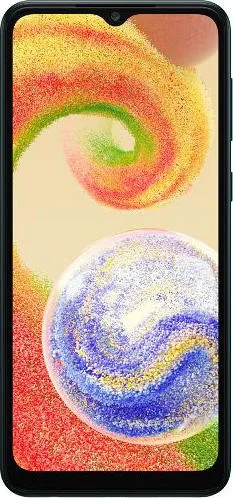
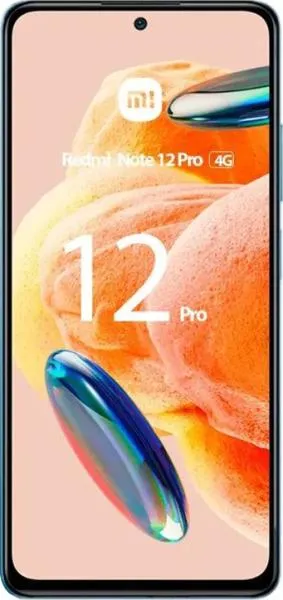
Samsung Galaxy A04 vs. Xiaomi Redmi Note 12 Pro 4G: A Deep Dive
Let's dissect the Samsung Galaxy A04 and Xiaomi Redmi Note 12 Pro 4G, two phones targeting different segments of the market. We'll go beyond the spec sheet to understand what these differences mean for you.
1. Specifications Breakdown
| Feature | Samsung Galaxy A04 | Xiaomi Redmi Note 12 Pro 4G | Real-World Implications |
|---|---|---|---|
| Design | |||
| Dimensions (mm) | 164.4 x 76.3 x 9.1 | 162.9 x 76 x 8 | Note 12 Pro slightly more compact. Negligible difference in daily use. |
| Weight (g) | 192 | 201.8 | A04 slightly lighter, but both are within the average range for modern smartphones. |
| Build Materials | Plastic | Glass front, plastic back | Note 12 Pro offers a more premium feel and potentially better durability. |
| Display | |||
| Size (inches) | 6.5 | 6.67 | Note 12 Pro offers a slightly larger screen for more immersive content consumption. |
| Type | PLS LCD | AMOLED | Note 12 Pro's AMOLED provides richer colors, deeper blacks, and better power efficiency. |
| Resolution | 720 x 1600 | 1080 x 2400 | Note 12 Pro boasts significantly sharper visuals and more screen real estate. |
| Refresh Rate | Standard | 120Hz | Note 12 Pro's higher refresh rate delivers smoother animations and scrolling, making the phone feel more responsive. |
| Performance | |||
| Chipset | Helio P35 | Snapdragon 732G | Note 12 Pro offers vastly superior processing power for demanding tasks and gaming. |
| CPU | Octa-core 2.3 GHz | Octa-core 2.3 GHz | Note 12 Pro's Kryo cores are more powerful and efficient than the A04's Cortex-A53 cores. |
| RAM | 4GB | 8GB | Note 12 Pro handles multitasking and demanding apps with greater ease. |
| Storage | Up to 128GB | Up to 256GB | Note 12 Pro provides more storage space for apps, photos, and videos. |
| Camera | |||
| Main Camera | 50MP | 108MP | Note 12 Pro offers higher resolution for potentially more detailed photos. |
| Features | Basic | Wide-angle, Macro, Night Mode | Note 12 Pro provides a more versatile camera system with advanced features. |
| Battery Life | |||
| Capacity | 5000 mAh | 5000 mAh | Similar battery capacity, but Note 12 Pro's AMOLED display and efficient processor may result in longer battery life. |
2. Key Insights
- Performance: The Redmi Note 12 Pro 4G significantly outperforms the Galaxy A04 due to its more powerful Snapdragon 732G processor and larger RAM. This translates to smoother gaming, faster app loading, and better multitasking.
- Display: The Note 12 Pro's AMOLED display with a 120Hz refresh rate is a clear winner, offering vibrant colors, smooth scrolling, and a more immersive experience compared to the A04's basic LCD.
- Camera: While megapixels aren't everything, the Note 12 Pro's 108MP main camera combined with its versatile lens selection (wide-angle, macro) provides greater flexibility and potential for higher-quality photos.
- Price: The Galaxy A04 caters to the budget-conscious consumer, while the Redmi Note 12 Pro sits in the mid-range price bracket, reflecting its superior features.
3. User Profiles and Recommendations
- Galaxy A04: Ideal for users on a tight budget who prioritize basic communication, social media, and light web browsing. Not recommended for demanding tasks or gaming.
- Redmi Note 12 Pro 4G: Suitable for users seeking a well-rounded phone with a great display, strong performance, and a versatile camera system. A good choice for mobile gamers, content creators, and power users.
4. Buying Decision Framework
- What is your budget? If price is your primary concern, the A04 is the more affordable option.
- What are your primary uses? For demanding tasks, gaming, or content creation, the Note 12 Pro is a better choice. For basic use, the A04 may suffice.
- How important is display quality? If you value a vibrant and smooth display, the Note 12 Pro's AMOLED with 120Hz is a must-have.
My Choice: I would choose the Xiaomi Redmi Note 12 Pro 4G. While the Galaxy A04 offers excellent value for its price, the Redmi Note 12 Pro's superior performance, stunning AMOLED display, versatile camera system, and future-proof features (like NFC) make it a much more compelling device for my needs. I appreciate a smooth and responsive user experience, and the Note 12 Pro delivers that in spades. The price difference is justified by the significant jump in overall quality and capabilities. I'd rather invest a bit more upfront for a device that will provide a more enjoyable and long-lasting experience.
