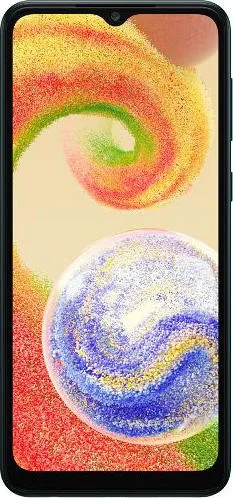
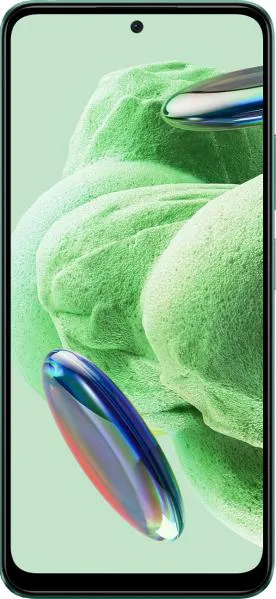
Samsung Galaxy A04 vs. Xiaomi Redmi Note 12: A Deep Dive
Let's dissect the Samsung Galaxy A04 and the Xiaomi Redmi Note 12, two phones vying for attention in different price segments. My goal is to help you understand which device best aligns with your needs.
1. Specifications Breakdown
| Feature | Samsung Galaxy A04 | Xiaomi Redmi Note 12 | Real-World Implications |
|---|---|---|---|
| Design | |||
| Dimensions (mm) | 164.4 x 76.3 x 9.1 | 165.9 x 76.2 x 8 | Redmi Note 12 is slightly thinner and taller. Negligible difference in daily use. |
| Weight (g) | 192 | 188 | Redmi Note 12 is slightly lighter. Again, a minor difference in hand feel. |
| Display | |||
| Type | PLS LCD | AMOLED | Redmi Note 12's AMOLED offers richer colors, deeper blacks, and better power efficiency. Noticeably superior visual experience. |
| Size | 6.5" | 6.67" | Redmi Note 12 has a slightly larger screen, providing more immersive content consumption. |
| Resolution | 720 x 1600 | 1080 x 2400 | Redmi Note 12's significantly higher resolution delivers sharper text and images. A major differentiator in visual clarity. |
| Refresh Rate | - | 120Hz | Redmi Note 12's 120Hz refresh rate makes scrolling and animations incredibly smooth, leading to a more fluid and responsive UI. |
| Performance | |||
| Chipset | Helio P35 | Snapdragon 4 Gen 1 | Redmi Note 12 boasts a more modern and powerful chipset, translating to smoother multitasking and better gaming performance. |
| CPU | Octa-core (4x2.3 GHz Cortex-A53 & 4x1.8 GHz Cortex-A53) | Octa-core (2x2.0 GHz Cortex-A78 & 6x1.8 GHz Cortex-A55) | Redmi Note 12's CPU architecture offers a performance advantage, especially in demanding tasks. |
| RAM | 4GB | 4/6/8GB | Redmi Note 12 offers configurations with more RAM, enhancing its ability to handle multiple apps simultaneously. |
| Camera | |||
| Main Camera | 50MP | 48MP | While the A04 has a higher megapixel count, the Redmi Note 12 uses a superior sensor (Samsung S5KJN1), likely resulting in better image quality. |
| Features | Basic | Advanced (Night Mode, Ultra Stable Video) | Redmi Note 12 offers more advanced camera features, expanding creative possibilities. |
| Battery | |||
| Capacity | 5000mAh | 5000mAh | Similar battery capacities. Real-world battery life will depend on usage patterns and software optimization. |
| Other | |||
| NFC | No | Yes | Redmi Note 12 supports NFC for contactless payments and other functionalities. A significant convenience advantage. |
| Price Range | Low | Mid-Range | Reflects the overall feature set and performance differences. |
2. Key Insights
- Display: The Redmi Note 12's AMOLED display with a 120Hz refresh rate is a clear winner. It offers a vastly superior visual experience compared to the A04's LCD.
- Performance: The Snapdragon 4 Gen 1 in the Redmi Note 12 provides a significant performance boost over the Helio P35, resulting in a smoother and more responsive user experience.
- Camera: While megapixel counts are close, the Redmi Note 12's superior sensor and advanced features likely give it an edge in image quality and versatility.
- Value: The Redmi Note 12 offers significantly better features for its mid-range price, while the A04 targets budget-conscious buyers with basic needs.
3. User Profiles and Recommendations
- Samsung Galaxy A04: Ideal for users on a tight budget who prioritize basic communication (calls, texts, social media) and light web browsing.
- Xiaomi Redmi Note 12: Best suited for users who want a more well-rounded experience with a great display, smooth performance, capable camera, and modern features like NFC. Great for media consumption, gaming, and everyday productivity.
4. Buying Decision Framework
- What is your budget? If you are extremely price-sensitive, the A04 is the more affordable option.
- What are your primary uses? For basic tasks, the A04 suffices. For demanding apps, gaming, or media consumption, the Redmi Note 12 is necessary.
- How important is display quality? If you value a vibrant and smooth display, the Redmi Note 12's AMOLED with 120Hz is a must-have.
My Choice: Xiaomi Redmi Note 12
For me, the Xiaomi Redmi Note 12 is the clear winner. The superior display, performance, and feature set, including NFC, justify the higher price. While the A04 serves a purpose in the budget segment, the Redmi Note 12 delivers a more compelling and future-proof experience. The difference in display technology alone makes the Redmi Note 12 a far more enjoyable device to use on a daily basis. I appreciate smooth performance and a responsive UI, making the Redmi Note 12's more powerful chipset a significant advantage.
