
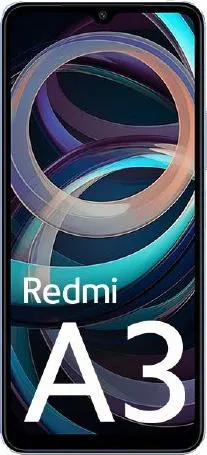
Samsung Galaxy A04 vs. Xiaomi Redmi A3: A Practical Comparison
Let's dive into a head-to-head comparison of the Samsung Galaxy A04 and the Xiaomi Redmi A3, dissecting their specs and uncovering what they truly offer in terms of real-world performance.
1. Specifications Breakdown
| Feature | Samsung Galaxy A04 | Xiaomi Redmi A3 | Real-World Implications | |
|---|---|---|---|---|
| Design | ||||
| Dimensions (mm) | 164.4 x 76.3 x 9.1 | 168.3 x 76.3 x 8.3 | Redmi A3 is slightly taller and thinner. Negligible difference in daily use. | |
| Weight (g) | 192 | 193 | Virtually identical weight; both feel substantial in hand. | |
| Display | ||||
| Size (inches) | 6.5 | 6.71 | Redmi A3 offers a marginally larger screen. | |
| Resolution (px) | 720 x 1600 | 720 x 1650 | Both are HD+ displays; Redmi A3 has slightly taller aspect ratio. | |
| Refresh Rate (Hz) | - | 90 | Redmi A3's 90Hz display will feel smoother and more responsive. | |
| Display Type | PLS LCD | IPS LCD | Expect similar color accuracy and viewing angles. | |
| Performance | ||||
| Chipset | Helio P35 | Helio G36 | G36 offers a slight performance advantage, especially in gaming. | |
| CPU | Octa-core (4x2.3 GHz Cortex-A53 & 4x1.8 GHz Cortex-A53) | Octa-core (4x2.2 GHz Cortex-A53 & 4x1.6 GHz Cortex-A53) | Both have entry-level processors; expect comparable performance for basic tasks. | |
| GPU | PowerVR GE8320 | PowerVR GE8320 | Similar graphics performance; not ideal for demanding games. | |
| RAM (GB) | 4 | 3/4/6 | Redmi A3 offers configurations with more RAM, improving multitasking. | |
| OS | Android 12 | Android 14 | Redmi A3 ships with a newer OS version, offering potential feature updates. | |
| Camera | ||||
| Rear Camera | 50MP + 2MP | 50MP+ 0.3MP | Both have 50MP main sensors; image quality will depend on software processing. | |
| Front Camera | 5MP | 5MP | Similar selfie camera resolution. | |
| Battery Life | ||||
| Capacity (mAh) | 5000 | 5000 | Both have large batteries; expect all-day battery life with moderate use. | |
| Other | ||||
| NFC | No | Yes | Redmi A3 supports contactless payments and data transfer. | |
| Price | Lower | Slightly Higher | A04 generally offers a more budget-friendly option. |
2. Key Insights
- Performance: While both phones use entry-level chipsets, the Helio G36 in the Redmi A3 and the availability of a 6GB RAM option provides a noticeable edge in performance, particularly for multitasking and light gaming.
- Display: The Redmi A3's 90Hz refresh rate makes a significant difference in day-to-day usage, providing a smoother and more fluid experience compared to the A04's standard 60Hz display.
- Software: The Redmi A3 ships with Android 14, giving it a longer software update lifecycle compared to the A04's Android 12.
- NFC: The inclusion of NFC in the Redmi A3 expands its utility for contactless payments and data transfer, a feature missing in the A04.
3. User Profiles and Recommendations
- Samsung Galaxy A04: Best suited for budget-conscious users who prioritize basic communication, web browsing, and social media. It's a reliable device for essential tasks without the frills.
- Xiaomi Redmi A3: Ideal for users who want a smoother display experience, slightly better performance, and the convenience of NFC. The extra RAM options are beneficial for those who frequently multitask. Gamers who want high graphics will need to look elsewhere.
4. Buying Decision Framework
- What's your budget? If price is the primary concern, the A04 offers excellent value.
- Do you value a smooth display? The Redmi A3's 90Hz refresh rate is a noticeable upgrade.
- Do you need NFC? If contactless payments are essential, the Redmi A3 is the clear choice.
My Choice:
If I were choosing between these two, I'd opt for the Xiaomi Redmi A3. The 90Hz display, slightly improved performance due to the Helio G36 processor, the newer Android version, and the inclusion of NFC offer a significantly better user experience for a marginal price increase. While the A04 is a solid budget option, the Redmi A3 provides more future-proofing and quality-of-life features that I find valuable. Specifically, I would choose the 6GB/128GB variant of the Redmi A3 to maximize the phone's potential for multitasking and longevity. I place a high value on a smooth and responsive user interface, and the 90Hz refresh rate is a key factor in my decision. Additionally, NFC has become increasingly important for me for contactless payments and device pairing, making the Redmi A3 a more versatile and practical choice for my daily needs.
