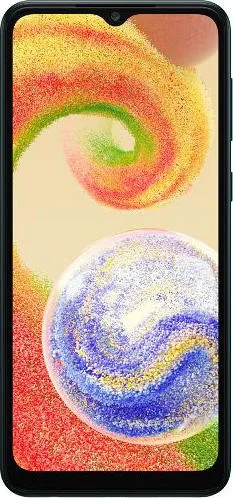
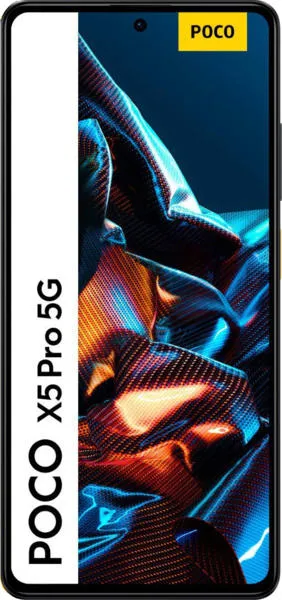
Samsung Galaxy A04 vs. Xiaomi Poco X5 Pro: A Deep Dive
Let's dissect the Samsung Galaxy A04 and the Xiaomi Poco X5 Pro, two phones targeting different segments of the market. We'll translate the raw specs into real-world performance insights to help you decide which device best fits your needs.
1. Specifications Breakdown
| Feature | Samsung Galaxy A04 | Xiaomi Poco X5 Pro | Real-World Implications |
|---|---|---|---|
| Design | |||
| Dimensions (mm) | 164.4 x 76.3 x 9.1 | 162.9 x 76.0 x 7.9 | Poco X5 Pro is slightly more compact and thinner. |
| Weight (g) | 192 | 181 | Poco X5 Pro feels lighter in hand. |
| Display | |||
| Type | PLS LCD | AMOLED | Poco X5 Pro offers deeper blacks, vibrant colors, and better power efficiency. |
| Size | 6.5" | 6.67" | Poco X5 Pro provides a slightly larger screen. |
| Resolution | 720 x 1600 | 1080 x 2400 | Poco X5 Pro boasts significantly sharper visuals and more screen real estate. |
| Refresh Rate | N/A | 120Hz | Poco X5 Pro delivers smoother scrolling and animations, enhancing responsiveness and gaming. |
| Performance | |||
| Chipset | Helio P35 | Snapdragon 778G 5G | Poco X5 Pro offers drastically better CPU and GPU performance, leading to much faster speeds and smoother multitasking. |
| CPU | Octa-core 2.3GHz | Octa-core 2.4GHz | Poco X5 Pro provides superior processing power for demanding tasks and gaming. |
| RAM | 4GB | 6/8GB | Poco X5 Pro offers more RAM for smoother multitasking and app switching. |
| Storage | Up to 128GB | Up to 256GB | Poco X5 Pro provides more storage for apps, photos, and videos. |
| Camera | |||
| Main Camera | 50MP | 108MP | Poco X5 Pro offers higher resolution, potentially capturing more detail. |
| Features | Basic | Advanced | Poco X5 Pro includes features like Night Mode and Ultra-wide lens. |
| Battery Life | |||
| Capacity | 5000mAh | 5000mAh | Similar battery capacity, but AMOLED efficiency might give Poco X5 Pro an edge in real-world usage. |
| Other | |||
| NFC | No | Yes | Poco X5 Pro supports contactless payments and data transfer. |
| 5G | No | Yes | Poco X5 Pro offers faster cellular data speeds where available. |
| Price Range | Low | Mid-range | The Galaxy A04 is significantly more affordable. |
2. Key Insights
The Xiaomi Poco X5 Pro is a clear winner in terms of performance, display, and features. Its powerful processor, AMOLED screen with a 120Hz refresh rate, and versatile camera system provide a significantly better user experience. It's a device geared towards users who demand smooth performance for gaming, media consumption, and multitasking.
The Samsung Galaxy A04, however, shines in its affordability. It provides basic functionality for users who prioritize essential tasks like calling, texting, and browsing. Its large battery also promises decent battery life.
3. User Profiles and Recommendations
Galaxy A04: Ideal for budget-conscious users, seniors, or those seeking a simple secondary phone. Students or casual users who primarily use their phones for communication and light browsing will find this sufficient.
Poco X5 Pro: Best suited for tech enthusiasts, gamers, mobile photographers, and content creators. Users who value a premium display, fast performance, and advanced features will appreciate this device.
4. Buying Decision Framework
- What is your budget? If price is a primary concern, the Galaxy A04 is the more affordable option.
- What do you prioritize in a smartphone? If performance, display quality, and features are essential, the Poco X5 Pro is the clear winner.
- What are your primary use cases? For basic tasks, the Galaxy A04 suffices. For demanding applications and multimedia, the Poco X5 Pro is superior.
My Choice: Xiaomi Poco X5 Pro
While I appreciate the value proposition of the Galaxy A04 for budget-conscious buyers, I would choose the Poco X5 Pro. The superior performance, vibrant AMOLED display with a 120Hz refresh rate, and more versatile camera system are compelling. As a tech enthusiast who values a smooth and responsive user experience, the Poco X5 Pro aligns better with my needs. The added benefit of 5G future-proofs the device, ensuring it remains relevant for longer. Although it comes at a higher price, the significant jump in performance and features justifies the investment for me.
