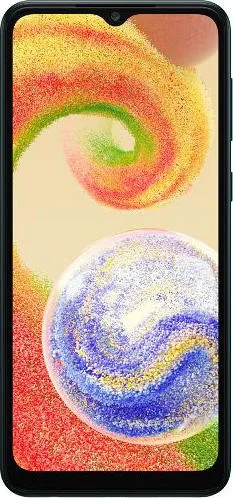
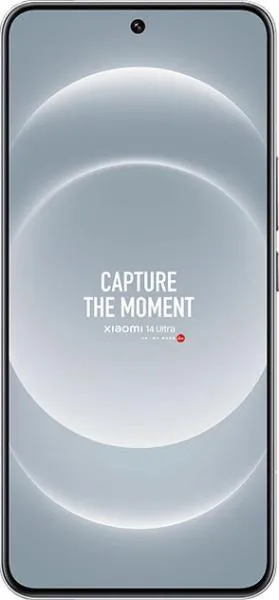
Samsung Galaxy A04 vs. Xiaomi 14 Ultra: A Deep Dive
Let's dissect the Samsung Galaxy A04 and Xiaomi 14 Ultra, two phones occupying vastly different tiers in the smartphone landscape. This comparison will go beyond mere specs, translating the numbers into real-world experiences to help you decide which device fits your needs.
1. Specifications Breakdown
| Feature | Samsung Galaxy A04 | Xiaomi 14 Ultra | Real-World Implications |
|---|---|---|---|
| Design | |||
| Dimensions (mm) | 164.4 x 76.3 x 9.1 | 161.4 x 75.3 x 9.2 | Xiaomi 14 Ultra is slightly more compact and heavier, suggesting a more premium build with potentially denser materials. |
| Weight (g) | 192 | 229.5 | The A04's lighter weight might be preferable for extended use, while the 14 Ultra's heft could convey a feeling of quality. |
| Display | |||
| Size (inches) | 6.5 | 6.73 | The 14 Ultra offers a slightly larger screen for more immersive content consumption. |
| Resolution | 720 x 1600 | 1440 x 3200 | The 14 Ultra boasts significantly higher resolution (QHD+) resulting in sharper text, images, and videos. A04's resolution is noticeably lower. |
| Display Type | PLS LCD | LTPO AMOLED | 14 Ultra's AMOLED delivers vibrant colors, deeper blacks, and better power efficiency. LTPO allows for dynamic refresh rate, saving battery. |
| Refresh Rate | N/A | 120Hz | 14 Ultra's 120Hz provides smoother scrolling and animations, enhancing the overall user experience. |
| Performance | |||
| Chipset | Helio P35 | Snapdragon 8 Gen 3 | The 8 Gen 3 is vastly more powerful, enabling seamless multitasking, demanding gaming, and faster app loading. The P35 is for basic tasks. |
| CPU | Octa-core 2.3 GHz | Octa-core 3.3 GHz | 14 Ultra's CPU offers significant performance gains in speed and efficiency. |
| RAM | 4GB | 16GB | 14 Ultra's massive RAM ensures smooth performance even with heavy multitasking. A04's 4GB can lead to limitations with multiple apps open. |
| Camera | |||
| Main Camera | 50MP | 50MP (1-inch sensor) | While both are 50MP, the 14 Ultra features a much larger sensor size (1-inch) capturing more light and detail, especially in low-light conditions. |
| Camera Features | Basic | Advanced Leica lens | 14 Ultra has advanced features like variable aperture, optical zoom, and superior image processing due to its Leica collaboration. |
| Battery Life | |||
| Capacity | 5000 mAh | 5000 mAh | Similar battery capacities, but the 14 Ultra's LTPO display and efficient processor could potentially deliver better overall battery life. |
2. Key Insights
The Xiaomi 14 Ultra is a flagship device offering cutting-edge technology and a premium experience. Its strengths lie in its powerful performance, stunning display, and advanced camera system. The Samsung Galaxy A04, on the other hand, is a budget-friendly option designed for basic tasks. Its advantage is primarily its affordability.
3. User Profiles and Recommendations
- Xiaomi 14 Ultra: Ideal for power users, gamers, photography enthusiasts, and anyone who demands top-tier performance and features. If budget is less of a concern and you prioritize a premium experience, this is your phone.
- Samsung Galaxy A04: Best suited for budget-conscious users who primarily use their phone for calling, texting, basic web browsing, and light social media. It's a functional device for those who don't need high-end specs.
4. Buying Decision Framework
- What is your budget? The A04 is significantly more affordable.
- What are your primary phone usage patterns? For basic communication and light tasks, the A04 suffices. For demanding applications, choose the 14 Ultra.
- How important are camera quality and display experience? The 14 Ultra dramatically outperforms the A04 in these areas.
My Choice: Xiaomi 14 Ultra
As a tech journalist who often pushes devices to their limits, I need raw power and cutting-edge features. The Xiaomi 14 Ultra's Snapdragon 8 Gen 3, coupled with 16GB of RAM, ensures a smooth and responsive experience even with heavy multitasking. The brilliant LTPO AMOLED display and the advanced camera system, especially the 1-inch sensor, are crucial for my work. While the price is significantly higher, the 14 Ultra's superior performance, future-proof specifications, and overall premium experience make it the clear winner for my needs. The A04, while respectable for its price point, simply wouldn't meet my demands for performance and content creation.
