
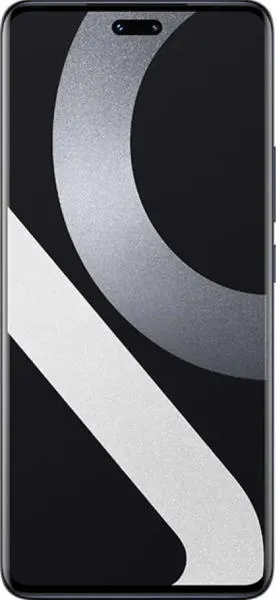
Let's dive into a comparative analysis of the Samsung Galaxy A04 and the Xiaomi 13 Lite, dissecting their specifications and uncovering what they truly offer the everyday user.
1. Specifications Breakdown
| Feature | Samsung Galaxy A04 | Xiaomi 13 Lite | Real-World Implications |
|---|---|---|---|
| Design | |||
| Dimensions (mm) | 164.4 x 76.3 x 9.1 | 159.2 x 72.7 x 7.2 | Xiaomi 13 Lite is noticeably more compact and thinner, making it easier to handle and pocket. |
| Weight (g) | 192 | 171 | Lighter weight of the Xiaomi contributes to a more comfortable in-hand feel. |
| Display | |||
| Type | PLS LCD | AMOLED | Xiaomi's AMOLED offers richer colors, deeper blacks, and better power efficiency. |
| Size (inches) | 6.5 | 6.55 | Negligible size difference. |
| Resolution | 720 x 1600 | 1080 x 2400 | Xiaomi boasts significantly sharper visuals due to higher resolution (402 ppi vs 270 ppi). |
| Refresh Rate (Hz) | - | 120 | Xiaomi's 120Hz display delivers smoother scrolling and animations, enhancing responsiveness. |
| Performance | |||
| Chipset | Helio P35 (12nm) | Snapdragon 7 Gen 1 (4nm) | Xiaomi's processor is vastly more powerful, enabling seamless multitasking and demanding gaming. |
| CPU | Octa-core 2.3 GHz | Octa-core 2.4 GHz | While both are octa-core, the architecture and manufacturing process of the Snapdragon chip offer superior performance. |
| RAM (GB) | 4 | 8 | Double the RAM on the Xiaomi allows for smoother multitasking and app switching. |
| Camera | |||
| Main Camera (MP) | 50 | 50 | Comparable megapixel count, but Xiaomi utilizes the superior Sony IMX766 sensor with larger pixel size. |
| Front Camera (MP) | 5 | 32 | Xiaomi provides a much higher resolution front camera for significantly better selfies. |
| Video | 1080p@30fps | 4K@30fps | Xiaomi supports 4K video recording, offering higher resolution and detail. |
| Battery Life | |||
| Capacity (mAh) | 5000 | 4500 | While the Samsung has a larger battery, Xiaomi's more efficient AMOLED display and processor may result in comparable battery life. |
2. Key Insights
The Xiaomi 13 Lite significantly outperforms the Samsung Galaxy A04 in almost every aspect. The Snapdragon 7 Gen 1 chip, coupled with 8GB of RAM, delivers a fluid and responsive user experience that the A04's Helio P35 simply can't match. The Xiaomi also boasts a vibrant AMOLED display with a 120Hz refresh rate, resulting in smoother scrolling and more immersive visuals. While the A04 has a larger battery, Xiaomi’s power-efficient display and processor could potentially level the playing field in real-world usage.
3. User Profiles and Recommendations
Samsung Galaxy A04: Best suited for budget-conscious users who prioritize basic communication and light web browsing. It's a reliable option for those seeking a simple, affordable smartphone without demanding performance or advanced features.
Xiaomi 13 Lite: Ideal for users who value performance, a premium display, and a capable camera. This phone caters to those who engage in multitasking, gaming, media consumption, and photography.
4. Buying Decision Framework
- What is your budget? The A04 is a budget-friendly option, while the 13 Lite sits in the mid-range price segment.
- What are your primary smartphone uses? For basic tasks, the A04 suffices. For demanding applications and media consumption, the 13 Lite is a better choice.
- How important is display quality and performance? The 13 Lite's superior AMOLED display and powerful processor provide a significant advantage in these areas.
My Choice: I would choose the Xiaomi 13 Lite. While the Samsung Galaxy A04 serves as a basic entry-level phone, the Xiaomi 13 Lite offers a significant leap in performance, display quality, and overall user experience. The investment in the 13 Lite is justified by its future-proof capabilities and the tangible benefits it offers in daily use. Features like the 120Hz AMOLED display, the powerful Snapdragon processor, and the improved camera system significantly enhance daily interactions, making the 13 Lite a more compelling and enjoyable device to use. The slightly smaller battery capacity is a minor trade-off considering the overall efficiency gains.
