
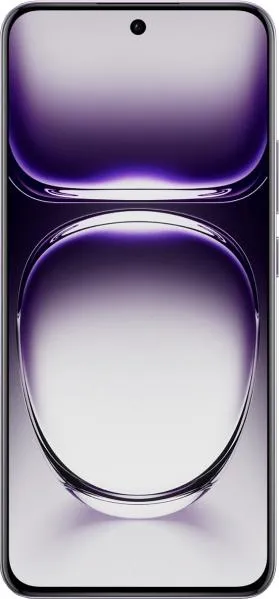
Let's dive into a comparative analysis of the Samsung Galaxy A04 and the Oppo Reno12 Pro, dissecting their technical specifications and translating them into real-world implications for you.
1. Specifications Breakdown
| Feature | Samsung Galaxy A04 | Oppo Reno12 Pro | Real-World Implications |
|---|---|---|---|
| Design | |||
| Dimensions (mm) | 164.4 x 76.3 x 9.1 | 161.5 x 74.8 x 7.4 | Reno12 Pro is noticeably thinner and slightly smaller overall. |
| Weight (g) | 192 | 180 | Reno12 Pro feels lighter in hand. |
| Display | |||
| Display Type | PLS LCD | AMOLED | Reno12 Pro offers deeper blacks, more vibrant colors, and better power efficiency. |
| Size (inches) | 6.5 | 6.7 | Reno12 Pro provides a slightly larger viewing area. |
| Resolution | 720 x 1600 | 1080 x 2412 | Reno12 Pro boasts significantly sharper visuals and text clarity. |
| Refresh Rate (Hz) | - | 120 | Reno12 Pro delivers smoother scrolling and animations, enhancing gaming and video playback. |
| Performance | |||
| Chipset | Helio P35 (12nm) | Dimensity 7300 (4nm) | Reno12 Pro offers dramatically faster processing speeds, enabling seamless multitasking and demanding gaming. |
| CPU | Octa-core (Cortex-A53) | Octa-core (Cortex-A78 & A55) | Reno12 Pro's CPU architecture is more modern and powerful, resulting in superior performance. |
| RAM | 4GB | 12GB | Reno12 Pro provides ample memory for smooth multitasking and demanding applications. |
| Camera | |||
| Main Camera | 50MP | 50MP (Sony LYT-600) | While both have 50MP sensors, the Reno12 Pro likely utilizes a more advanced sensor with better low-light performance and dynamic range, thanks to the specified Sony sensor. |
| Video Recording | 1080p@30fps | 4K@30fps, up to 960fps slow-mo | Reno12 Pro offers significantly higher video resolution and impressive slow-motion capabilities. |
| Battery Life | |||
| Capacity (mAh) | 5000 | 5000 | Similar battery capacities, but the Reno12 Pro's AMOLED display and more efficient processor could translate to longer real-world battery life. |
2. Key Insights
The Oppo Reno12 Pro is a clear winner in terms of performance, display, and camera capabilities. Its powerful processor, ample RAM, high refresh rate AMOLED display, and advanced camera system position it as a strong contender in the mid-range market. The Samsung Galaxy A04, on the other hand, prioritizes affordability. Its specifications indicate a budget-friendly device designed for basic tasks like calling, texting, and web browsing.
3. User Profiles and Recommendations
Samsung Galaxy A04: Ideal for budget-conscious users who prioritize basic functionality and long battery life. Students, seniors, or anyone looking for a simple, reliable secondary device would find this suitable.
Oppo Reno12 Pro: Perfect for users who demand a smooth, responsive experience with excellent multimedia capabilities. Mobile gamers, photography enthusiasts, and those who value a vibrant display would appreciate this device.
4. Buying Decision Framework
- What is your budget? The Galaxy A04 is significantly more affordable.
- What are your primary use cases? For basic tasks, the A04 suffices. For demanding apps, gaming, and photography, the Reno12 Pro is the better choice.
- How important is display quality and performance? The Reno12 Pro offers a vastly superior visual experience and significantly faster performance.
My Choice
If I were choosing between these two phones, I'd go for the Oppo Reno12 Pro. While the price difference is substantial, the performance and feature gap is even more significant. The Reno12 Pro offers a modern, future-proof smartphone experience with its powerful processor, stunning AMOLED display, and versatile camera system. As someone who appreciates smooth performance, vibrant visuals, and advanced camera features, the Reno12 Pro aligns better with my needs and priorities. The investment in a more capable device would be worthwhile in the long run, offering a more enjoyable and productive user experience. While the Galaxy A04 has its place as a budget-friendly option, it simply doesn't offer the level of performance and features I expect from a primary smartphone.
