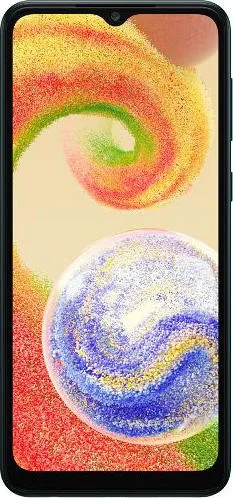
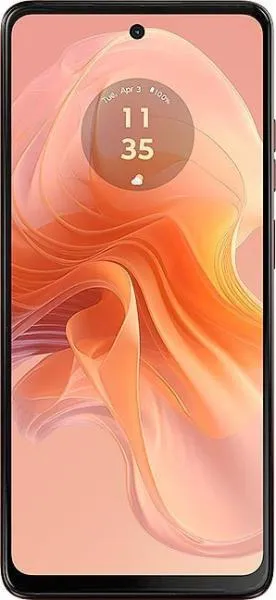
Let's dive into a comparative analysis of the Samsung Galaxy A04 and the Motorola Moto G04s, dissecting their specifications and translating them into real-world implications for you.
1. Specifications Breakdown
| Feature | Samsung Galaxy A04 | Motorola Moto G04s | Real-World Implications |
|---|---|---|---|
| Design | |||
| Dimensions | 164.4 x 76.3 x 9.1 mm | 163.5 x 74.5 x 8.0 mm | Moto G04s is slightly more compact and thinner. |
| Weight | 192 g | 178.8 g | Moto G04s feels noticeably lighter in hand. |
| Display | |||
| Size | 6.5" | 6.56" | Negligible difference in screen real estate. |
| Resolution | 720 x 1600 | 720 x 1612 | Virtually identical sharpness; both are HD+ displays. |
| Type | PLS LCD | IPS LCD, 90Hz | Moto G04s' 90Hz refresh rate delivers smoother scrolling and animations. |
| Performance | |||
| Chipset | Helio P35 | Unisoc T606 | Moto G04s boasts a slightly more powerful and efficient processor. |
| CPU | Octa-core (4x2.3 GHz Cortex-A53 & 4x1.8 GHz Cortex-A53) | Octa-core (2x1.6 GHz Cortex-A75 & 6x1.6 GHz Cortex-A55) | Moto G04s likely offers better multi-core performance thanks to the Cortex-A75 cores. |
| GPU | PowerVR GE8320 | Mali-G57 MP1 | Performance differences in gaming will be minor. |
| RAM | 4GB | 4GB | Same RAM capacity, impacting multitasking capabilities similarly. |
| OS | Android 12 | Android 14 | Moto G04s ships with a newer Android version, offering potential feature and security advantages. |
| Camera | |||
| Rear Camera | 50MP + 2MP | 50MP | Megapixel count isn't everything; image quality depends on sensor and processing. Moto G04s utilizes a Samsung sensor known for good performance. |
| Front Camera | 5MP | 5MP | Comparable front-facing cameras. |
| Video | 1080p@30fps | 1080p@30fps | Similar video recording capabilities. Moto G04s touts 120 fps slow-mo, potentially for the front camera. |
| Battery Life | |||
| Capacity | 5000 mAh | 5000 mAh | Identical battery capacities; real-world battery life will depend on usage and efficiency. |
| Other | |||
| NFC | No | Yes | Moto G04s supports contactless payments and data transfer. |
| Price Range | Low | Medium | Moto G04s is positioned in a higher price bracket. |
2. Key Insights
- Display: The Moto G04s' 90Hz refresh rate is a significant advantage, making interactions feel noticeably smoother. This is a game-changer for everyday usability.
- Performance: While both phones offer adequate performance for basic tasks, the Moto G04s' Unisoc T606 processor, combined with the more powerful CPU cores, likely provides a performance edge, particularly in multitasking and demanding applications.
- Camera: On paper, the Moto G04s camera system, with its Samsung S5KJN1 sensor and Optical Image Stabilization (OIS) - a crucial feature missing in the A04 - promises better image quality, especially in low-light conditions and video recording.
- Software: The Moto G04s ships with Android 14, giving it a two-generation advantage over the A04. This translates to newer features, improved security, and potentially longer software support.
- Value: The Galaxy A04 targets the budget-conscious consumer, while the Moto G04s offers more advanced features at a higher price.
3. User Profiles and Recommendations
- Samsung Galaxy A04: Ideal for users on a tight budget who prioritize basic communication, web browsing, and social media. It's a reliable entry-level smartphone without the frills.
- Motorola Moto G04s: Suitable for users who desire a smoother, more responsive experience, better camera performance, and the latest Android features. This phone caters to those who want a well-rounded device without breaking the bank.
4. Buying Decision Framework
- What's your budget? If price is your primary concern, the A04 is the more affordable option.
- How important is a smooth display? If you value fluid scrolling and a responsive interface, the G04s' 90Hz display is a must-have.
- Do you need NFC? If contactless payments and data transfer are essential, the G04s is the only choice.
My Choice: Motorola Moto G04s
If I were choosing between these two, I'd opt for the Motorola Moto G04s. The 90Hz refresh rate alone significantly elevates the user experience. Furthermore, the more powerful processor, newer Android version (with its longer support horizon), and potentially superior camera sealed the deal for me. While it comes at a slightly higher price, the Moto G04s offers a compelling combination of performance, features, and future-proofing that makes it a worthwhile investment in my book. The inclusion of NFC is a welcome bonus. In the fiercely competitive mid-range market, these seemingly small advantages add up to a noticeably better overall experience.
