Samsung Galaxy A04 vs. Motorola Moto G Stylus 5G (2024): A Deep Dive
Let's dissect these two smartphones, the Samsung Galaxy A04 and the Motorola Moto G Stylus 5G (2024), to see how they stack up against each other. We'll go beyond the spec sheet and translate those numbers into real-world experiences.
1. Specifications Breakdown
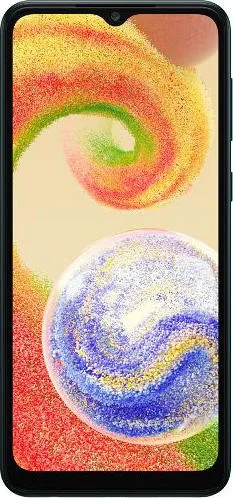
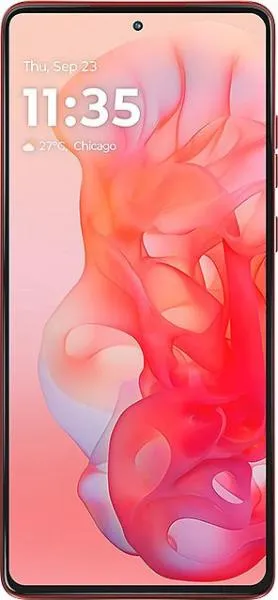
| Feature | Samsung Galaxy A04 | Motorola Moto G Stylus 5G (2024) | Real-World Implications |
|---|---|---|---|
| Design | |||
| Dimensions (mm) | 164.4 x 76.3 x 9.1 | 162.6 x 74.8 x 8.3 | Moto G Stylus is slightly more compact and thinner. |
| Weight (g) | 192 | 190 | Negligible weight difference in hand. |
| Build Materials | Plastic | Plastic | Expect similar durability; case recommended for both. |
| Stylus | No | Yes | Moto G Stylus offers note-taking, sketching, and precise screen interaction. |
| Display | |||
| Type | PLS LCD | P-OLED | Moto G Stylus boasts richer colors, deeper blacks, and better power efficiency due to the OLED technology. |
| Size | 6.5" | 6.7" | Moto G Stylus provides a larger viewing area for media consumption. |
| Resolution | 720 x 1600 | 1080 x 2400 | Significantly sharper and more detailed visuals on the Moto G Stylus. A04's resolution is noticeably lower. |
| Refresh Rate | Standard | 120Hz | Smoother scrolling and animations on the Moto G Stylus. |
| Performance | |||
| Chipset | Helio P35 | Snapdragon 6 Gen 1 | Moto G Stylus offers significantly faster processing, smoother multitasking, and better gaming performance. |
| CPU | Octa-core 2.3 GHz | Octa-core 2.2 GHz | While clock speeds are similar, the Snapdragon 6 Gen 1's architecture is far superior, resulting in a much faster phone. |
| RAM | 4GB | 8GB | Double the RAM on the Moto G Stylus enables smoother multitasking and handling of demanding applications. |
| Storage | Up to 128GB | 256GB | More base storage on the Moto G Stylus for apps, photos, and videos. |
| Camera | |||
| Main Camera | 50MP | 50MP with OIS | Both have high megapixel counts, but the Moto G Stylus benefits from Optical Image Stabilization for sharper photos and videos. |
| Selfie Camera | 5MP | 32MP | Much higher resolution selfie camera on the Moto G Stylus. |
| Battery Life | |||
| Capacity | 5000 mAh | 5000 mAh | Similar battery capacities, but the Moto G Stylus's more efficient processor and OLED display may result in longer battery life. |
2. Key Insights
The Motorola Moto G Stylus 5G (2024) is a clear winner in terms of performance, display, and features. The Snapdragon 6 Gen 1 chipset, coupled with 8GB of RAM, provides a vastly superior user experience compared to the Galaxy A04's Helio P35. The 120Hz P-OLED display on the Moto G Stylus is a major upgrade, offering vibrant colors, smooth scrolling, and improved power efficiency. The integrated stylus adds unique functionality for note-taking and creative tasks.
The Samsung Galaxy A04's primary advantage is its lower price point. It targets budget-conscious users who prioritize basic functionality.
3. User Profiles and Recommendations
Moto G Stylus 5G (2024): Suitable for users who value performance, a vibrant display, a smooth user experience, 5G connectivity, and the versatility of a stylus. Ideal for students, creative professionals, and anyone who consumes a lot of media on their phone.
Samsung Galaxy A04: Best suited for users on a tight budget who primarily use their phone for calling, texting, basic web browsing, and light social media. It's a functional device for undemanding tasks.
4. Buying Decision Framework
What is your budget? If price is your primary concern, the Galaxy A04 is the more affordable option.
What are your primary phone usage patterns? For demanding tasks, multimedia consumption, and creative endeavors, the Moto G Stylus 5G offers a significantly better experience. For basic communication and light usage, the A04 might suffice.
Do you value a stylus for note-taking or drawing? The Moto G Stylus's integrated stylus is a unique feature that sets it apart.
My Choice: Motorola Moto G Stylus 5G (2024)
While the Galaxy A04 offers an entry-level option for budget-conscious buyers, I would choose the Motorola Moto G Stylus 5G (2024). The superior performance, stunning display, versatile stylus, and future-proof 5G connectivity justify the higher price. As a tech journalist, I appreciate the smooth user experience and the ability to multitask efficiently. The Moto G Stylus feels like a more complete and capable device that will provide a better long-term experience. The inclusion of a stylus also opens up creative possibilities and enhances productivity, making it a more compelling overall package.
