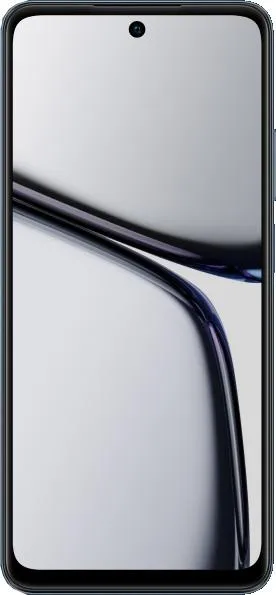
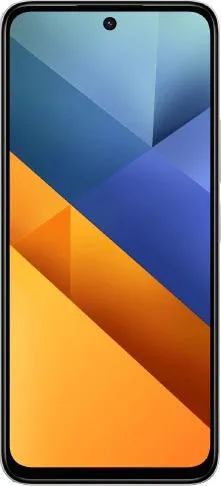
Realme C65 vs. Xiaomi Poco M6 4G: A Detailed Comparison
The budget smartphone arena is fiercely competitive, and two contenders vying for your attention are the Realme C65 and the Xiaomi Poco M6 4G. Both promise impressive features at affordable price points, but which one comes out on top? Let's dive deep into a comprehensive comparison to help you decide.
1. Specifications Breakdown
| Feature | Realme C65 | Xiaomi Poco M6 4G | Real-World Implications |
|---|---|---|---|
| Design | |||
| Dimensions | 164.6 x 76.1 x 7.6 mm | 168.6 x 76.3 x 8.3 mm | Poco M6 is slightly larger and thicker. |
| Weight | 185g | 205g | Realme C65 is noticeably lighter, improving one-handed use. |
| Display | |||
| Size | 6.67" | 6.79" | Poco M6 offers a slightly larger screen. |
| Type | IPS LCD | IPS LCD | Both offer good color reproduction but limited viewing angles. |
| Resolution | 720 x 1604 | 1080 x 2460 | Poco M6 has a significantly sharper display (396 ppi vs 264 ppi). |
| Refresh Rate | 90Hz | 90Hz | Both offer smooth scrolling and animations. |
| Performance | |||
| Chipset | Helio G85 | Helio G91 Ultra | Poco M6 boasts a slightly more powerful processor. |
| CPU | Octa-core (2x2.0 GHz Cortex-A75 & 6x1.8 GHz Cortex-A55) | Octa-core (2x2.0 GHz Cortex-A75 & 6x1.8 GHz Cortex-A55) | Similar CPU configurations, but G91 Ultra is optimized for efficiency. |
| GPU | Mali-G52 MC2 | Mali-G52 MC2 | Similar graphics performance; suitable for casual gaming. |
| RAM | 8GB | 8GB | Both offer ample RAM for multitasking. |
| Storage | 128GB | 256GB | Poco M6 provides double the storage capacity. |
| Battery | |||
| Capacity | 5000 mAh | 5030 mAh | Negligible difference in battery capacity. |
| Other | |||
| OS | Android 14 | Android 14 | Both run the latest Android version. |
| NFC | Yes | Yes | Both support contactless payments. |
| Price Range | Medium | Low | Poco M6 offers more value for money in terms of specs. |
2. Key Insights
- Display: The Poco M6's higher resolution display is a clear winner. The sharper text and images make a noticeable difference in everyday use, especially for media consumption.
- Performance: While both chipsets are geared towards efficiency, the Helio G91 Ultra in the Poco M6 should provide a slight edge in performance and potentially better battery management.
- Storage: The Poco M6's 256GB storage is a significant advantage, especially for users who store lots of photos, videos, or games.
- Design and Build: The Realme C65 is lighter and might feel more comfortable for extended use. The Poco M6, while heavier, feels more substantial.
- Price-to-Performance: The Poco M6 delivers remarkable value, offering superior specifications at a lower price point.
3. User Profiles and Recommendations
- Realme C65: Suitable for users prioritizing a lightweight phone and a clean Android experience. Its lower price might appeal to budget-conscious buyers who don't demand the highest resolution display or extensive storage.
- Xiaomi Poco M6 4G: The clear winner for users seeking the best value. Its superior display, larger storage, and competitive performance make it an excellent all-around device for multimedia consumption, gaming, and everyday tasks.
4. Buying Decision Framework
- What's your budget? If price is the primary concern, the Poco M6 offers incredible value.
- Is display quality a priority? If you value a sharp and vibrant screen, the Poco M6's FHD+ display is the better choice.
- How much storage do you need? If you require ample space for apps and media, the Poco M6's 256GB storage is a significant advantage.
Scenario-Based Recommendations:
- For a student on a tight budget: Poco M6 4G
- For a casual user who prioritizes media consumption: Poco M6 4G
- For someone who values a lightweight and compact phone: Realme C65. However, the Poco M6 4G offers substantially more for the marginal increase in size and weight.
In conclusion, the Xiaomi Poco M6 4G emerges as the stronger contender in this comparison, offering a compelling combination of performance, features, and affordability. The Realme C65 holds its own in terms of design and software but ultimately falls short in key areas like display and storage.
