
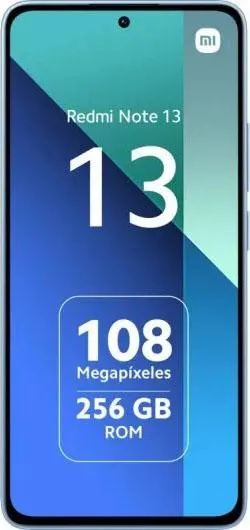
1. Specifications Comparison
| Feature | Realme C55 | Xiaomi Redmi Note 13 4G | Practical Impact |
|---|---|---|---|
| Design | |||
| Dimensions (mm) | 165.6 x 75.9 x 7.9 | 162.3 x 75.6 x 8.0 | Redmi Note 13 slightly shorter and narrower. Negligible difference in daily use. |
| Weight (g) | 189.5 | 188.5 | Virtually identical weight; no noticeable difference in hand. |
| Fingerprint Sensor | Side-mounted | Under-display | Personal preference; both are reliable unlocking methods. |
| Display | |||
| Display Type | IPS LCD | AMOLED | AMOLED offers deeper blacks, richer colors, and better power efficiency in dark mode. LCD can be brighter in direct sunlight. |
| Display Size (inches) | 6.72 | 6.67 | Negligible size difference. |
| Resolution (pixels) | 1080 x 2400 | 1080 x 2400 | Same resolution; sharpness is comparable on both devices. |
| Refresh Rate (Hz) | 90 | 120 | 120Hz provides smoother scrolling and animations, more noticeable in gaming and fast-paced content. |
| Peak Brightness (nits) | 680 | 1800 | Redmi Note 13's significantly higher brightness ensures better outdoor visibility. |
| Performance | |||
| Chipset | Mediatek Helio G88 (12nm) | Qualcomm Snapdragon 685 (6nm) | Snapdragon 685 offers better power efficiency due to smaller node size. Performance differences likely noticeable in demanding tasks. |
| CPU | Octa-core (2x2.0 GHz A75 & 6x1.8 GHz A55) | Octa-core (4x2.8 GHz A73 & 4x1.9 GHz A53) | Redmi Note 13 has faster and more powerful CPU cores, leading to better performance in multitasking and demanding apps. |
| GPU | Mali-G52 MC2 | Adreno 610 | Adreno 610 generally provides better gaming performance compared to Mali-G52 MC2. |
| RAM (GB) | 6/8 | 6/8/12 | More RAM options available for Redmi Note 13, allowing for better multitasking. |
| Camera | |||
| Main Camera (MP) | 64 | 108 | Redmi Note 13's 108MP sensor potentially offers higher resolution and detail, particularly in good lighting. |
| Selfie Camera (MP) | 8 | 16 | Redmi Note 13 has a significantly higher resolution selfie camera, potentially capturing more detailed selfies. |
| Video Recording | 1080p@30/60fps | 1080p@30fps | Realme C55 offers 60fps recording for smoother video. No 4K recording on either device. |
| Battery | |||
| Capacity (mAh) | 5000 | 5000 | Same battery capacity; real-world battery life will depend on software optimization and usage patterns. |
| Fast Charging (W) | 33 | 33 | Both phones offer the same fast charging speed. |
2. Key Differences Analysis
Realme C55 Advantages:
- Higher video frame rate: Offers 1080p@60fps recording for smoother videos.
- Potentially lower price: Depending on configuration and region.
Xiaomi Redmi Note 13 4G Advantages:
- Superior Display: AMOLED display with a 120Hz refresh rate and significantly higher peak brightness. Provides smoother visuals and better outdoor visibility.
- More Powerful Performance: Snapdragon 685 chip and more powerful CPU/GPU configuration delivers better overall performance for demanding tasks and gaming.
- Higher Resolution Cameras: 108MP main camera and 16MP selfie camera likely produce more detailed images.
- More RAM Options: Offers configurations with up to 12GB of RAM for smoother multitasking.
3. User Profiles & Recommendations
Realme C55: Budget-conscious users prioritizing basic functionality and smooth video recording. Suitable for casual usage, social media, and light gaming.
Xiaomi Redmi Note 13 4G: Users seeking a well-rounded device with a great display, good performance, and capable cameras. Suitable for multimedia consumption, mobile gaming, and photography enthusiasts.
4. Decision Framework
Key Questions for Buyers:
- What is your budget? The Realme C55 is generally more affordable.
- How important is display quality? The Redmi Note 13's AMOLED display is a significant upgrade.
- What are your performance needs? The Redmi Note 13 offers significantly better performance for demanding tasks and gaming.
My Choice: Xiaomi Redmi Note 13 4G
While the Realme C55 offers a good value proposition for its price, the Xiaomi Redmi Note 13 4G offers a significantly better overall package. The AMOLED display with 120Hz is a major differentiator, providing a far superior visual experience. The improved performance of the Snapdragon 685, coupled with more RAM options, ensures smoother multitasking and better gaming capabilities. Although the Realme C55 offers 60fps video recording, the overall advantages of the Redmi Note 13, including the superior camera hardware, outweigh this single benefit. The slight price difference is justifiable for the substantial upgrades offered by the Redmi Note 13.
