
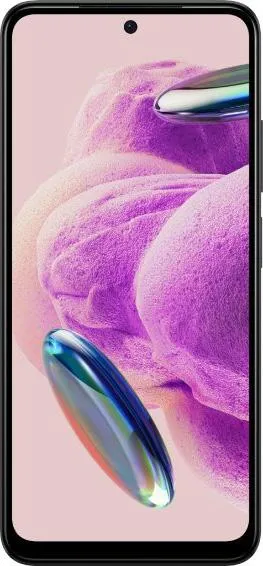
1. Specifications Comparison
| Feature | Realme C55 | Xiaomi Redmi Note 12S | Practical Impact |
|---|---|---|---|
| Design | |||
| Dimensions (mm) | 165.6 x 75.9 x 7.9 | 159.9 x 73.9 x 8.1 | Redmi Note 12S is slightly shorter, narrower, and thicker but lighter overall. C55 might feel slightly taller in hand. |
| Weight (g) | 189.5 | 176 | Redmi Note 12S is noticeably lighter, reducing hand fatigue during extended use. |
| Display | |||
| Type | IPS LCD | AMOLED | AMOLED offers deeper blacks, more vibrant colors, and better power efficiency in dark mode. LCD can be more readable in direct sunlight. |
| Size (inches) | 6.72 | 6.43 | C55 offers a larger screen for more immersive media consumption, but may be less pocketable. |
| Resolution | 1080 x 2400 | 1080 x 2400 | Both have the same sharp resolution, suitable for everyday use. |
| Refresh Rate (Hz) | 90 | 90 | Both offer smooth scrolling and animations thanks to the 90Hz refresh rate. |
| Peak Brightness (nits) | 680 | 1000 | Redmi Note 12S significantly brighter display ensures better visibility outdoors. |
| Performance | |||
| Chipset | Helio G88 (12nm) | Helio G96 (12nm) | G96 generally offers slightly better CPU and GPU performance, resulting in smoother multitasking and gaming. Real-world difference might be minimal for average users. |
| CPU | Octa-core (2x2.0 GHz A75 & 6x1.8 GHz A55) | Octa-core (2x2.05 GHz A76 & 6x2.0 GHz A55) | G96 has slightly faster and more powerful cores (Cortex-A76 vs A75) leading to better performance in demanding tasks. |
| GPU | Mali-G52 MC2 | Mali-G57 MC2 | Redmi Note 12S's Mali-G57 offers better gaming performance compared to the Mali-G52. |
| RAM (GB) | 6/8 | 6/8 | Both offer sufficient RAM for smooth multitasking; 8GB variant provides more headroom for future-proofing. |
| Camera | |||
| Main Camera (MP) | 64 | 108 | Redmi Note 12S boasts a higher resolution main sensor, potentially capturing more detail. Image quality depends on sensor size, processing, and other factors. |
| Other Cameras | 2MP Depth Sensor, 8MP Selfie | 8MP Ultrawide, 2MP Macro, 16MP Selfie | Redmi Note 12S offers more versatile camera options with ultrawide and macro lenses, alongside a higher resolution selfie camera. |
| Video Recording | 1080p@30/60fps | 1080p@30fps | Realme C55 offers 60fps recording for smoother videos. |
| Battery | |||
| Capacity (mAh) | 5000 | 5000 | Both offer identical battery capacities, potentially providing all-day battery life. Actual usage varies. |
| Charging | 33W Fast Charging | 33W Fast Charging | Both phones offer the same fast charging speed. |
2. Key Differences Analysis
Realme C55 Advantages:
- Larger Display: More immersive for media consumption.
- 60fps Video Recording: Smoother video capture. Potentially slightly cheaper (depending on configuration and retailer).
Xiaomi Redmi Note 12S Advantages:
- AMOLED Display: Superior contrast, colors, and power efficiency.
- Higher Resolution Main Camera: Potentially more detailed photos.
- More Versatile Camera System: Ultrawide and macro lenses provide more shooting options.
- Higher Resolution Selfie Camera: Better quality self-portraits.
- Lighter and More Compact: Easier to handle and carry.
- Slightly More Powerful GPU: Better for gaming
3. User Profiles & Recommendations
Realme C55: Budget-conscious users prioritizing a large display for media consumption and casual gaming.
Xiaomi Redmi Note 12S: Users who value a superior display, versatile camera system, and overall performance. Suitable for mobile photography enthusiasts and moderate gamers.
4. Decision Framework
Key Questions:
- Display Preference: Do you prioritize a larger display or superior image quality?
- Camera Needs: Is a versatile camera system with a high-resolution main sensor important?
- Budget Constraints: Which phone offers the best value for your budget considering its features?
My Choice: Xiaomi Redmi Note 12S
While the Realme C55 offers a larger display and 60fps video recording, the Xiaomi Redmi Note 12S provides a more well-rounded package. The AMOLED display is a significant upgrade, offering richer colors and deeper blacks. The more versatile camera system, including an ultrawide lens and a higher resolution main sensor, caters to a wider range of photography needs. The slightly more powerful processor also future-proofs the device for longer-term use. The lighter weight is a welcome bonus. Although subjective, I find the slightly smaller form factor of the Redmi Note 12S more appealing. Ultimately, the Redmi Note 12S's advantages in display, camera, and performance outweigh the C55's larger screen size for my personal preferences.
