
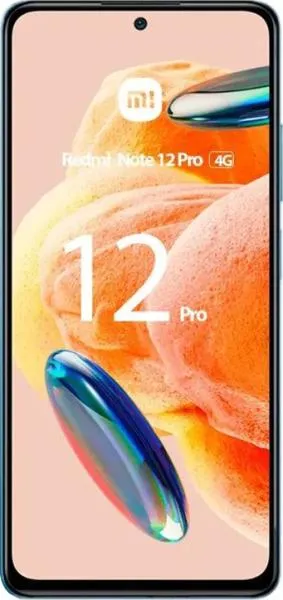
1. Specifications Comparison
| Feature | Realme C55 | Xiaomi Redmi Note 12 Pro 4G | Practical Impact |
|---|---|---|---|
| Design | |||
| Dimensions (mm) | 165.6 x 75.9 x 7.9 | 164.2 x 76.1 x 8.1 | Redmi Note 12 Pro is slightly shorter and thicker. Negligible difference in daily use. |
| Weight (g) | 189.5 | 201.8 | Realme C55 is noticeably lighter, improving one-handed use. |
| Display | |||
| Display Type | IPS LCD | AMOLED | AMOLED offers deeper blacks, more vibrant colors, and better power efficiency in dark mode. |
| Refresh Rate (Hz) | 90 | 120 | Redmi Note 12 Pro provides smoother scrolling and animations. |
| Peak Brightness (nits) | 680 | 1100 | Redmi Note 12 Pro is significantly brighter, improving outdoor visibility. |
| Dolby Vision | No | Yes | Redmi Note 12 Pro supports Dolby Vision for enhanced HDR content viewing. |
| Performance | |||
| Chipset | Mediatek Helio G88 (12nm) | Qualcomm Snapdragon 732G (8nm) | Snapdragon 732G offers better performance and efficiency due to its more advanced architecture and smaller process node. |
| CPU | Octa-core (2x2.0 GHz Cortex-A75 & 6x1.8 GHz Cortex-A55) | Octa-core (2x2.2 GHz Kryo 470 Gold & 6x1.8 GHz Kryo 470 Silver) | Redmi Note 12 Pro will handle demanding tasks and multitasking more smoothly. |
| GPU | Mali-G52 MC2 | Adreno 618 | Redmi Note 12 Pro offers significantly better gaming performance. |
| RAM (GB) | 6/8 | 6/8 | Both offer ample RAM for multitasking; however, the specific RAM configuration being compared needs to be clarified. |
| Camera | |||
| Main Camera (MP) | 64 | 108 | Redmi Note 12 Pro offers higher resolution for potentially more detailed photos. |
| Selfie Camera (MP) | 8 | 16 | Redmi Note 12 Pro's selfie camera has a much higher resolution for better self-portraits. |
| Video Recording | 1080p@60fps | 4K@30fps | Redmi Note 12 Pro can record higher resolution videos. |
| Battery | |||
| Capacity (mAh) | 5000 | 5020 | Negligible difference in battery capacity. |
| Fast Charging (W) | 33 | 67 | Redmi Note 12 Pro charges significantly faster. |
2. Key Differences Analysis
Realme C55 Advantages:
- Lighter: Noticeably lighter, enhancing one-handed usability.
- Potentially More Affordable: Depending on the specific RAM/storage configuration, the C55 might be cheaper.
Redmi Note 12 Pro 4G Advantages:
- Superior Display: AMOLED with 120Hz refresh rate and Dolby Vision provides a significantly better visual experience.
- Powerful Performance: Snapdragon 732G and Adreno 618 deliver smoother performance for gaming and demanding tasks.
- Faster Charging: 67W fast charging drastically reduces charging time.
- Higher Resolution Cameras: Offers a 108MP main camera and a 16MP selfie camera for potentially better image quality.
- 4K Video Recording: Enables higher resolution video capture.
Trade-offs:
- Price: The Redmi Note 12 Pro 4G is generally more expensive.
- Weight: The Redmi Note 12 Pro 4G is slightly heavier.
3. User Profiles & Recommendations
Realme C55: Budget-conscious users who prioritize a lightweight phone for basic tasks like calling, messaging, and social media.
Redmi Note 12 Pro 4G: Users who value a premium multimedia experience, smooth performance for gaming and multitasking, and fast charging. Suitable for content consumption, mobile photography, and gaming.
4. Decision Framework
Key Questions:
- What is your budget? The Realme C55 is likely more affordable.
- What are your primary use cases? Gaming, content consumption, and photography favor the Redmi Note 12 Pro 4G.
- Do you prioritize display quality and performance or battery life and affordability?
Scenario-Based Recommendations:
- Tight Budget, Basic Use: Realme C55
- Balanced Needs: Carefully consider the price difference between specific RAM/storage configurations of both phones.
- Performance and Multimedia Focused: Redmi Note 12 Pro 4G
My Choice: Xiaomi Redmi Note 12 Pro 4G
While the Realme C55 offers a lighter and potentially more affordable option, the Redmi Note 12 Pro 4G provides a significantly better overall user experience. The AMOLED display with 120Hz, Dolby Vision, and superior brightness is a major differentiator. The performance gap due to the Snapdragon 732G is substantial, especially for gaming and demanding applications. Faster charging and higher resolution cameras further solidify the Redmi Note 12 Pro 4G as the better choice for my needs, as I prioritize performance, display quality, and camera capabilities. The slightly higher price and weight are acceptable trade-offs for these advantages.
