
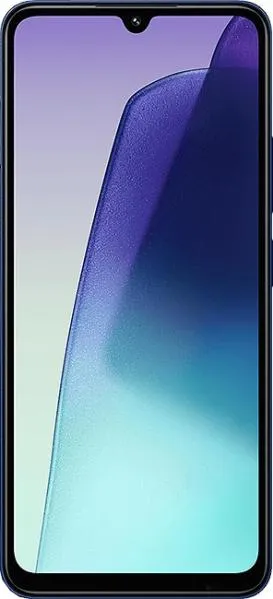
1. Specifications Comparison
| Feature | Realme C55 | Xiaomi Redmi 14C | Practical Impact |
|---|---|---|---|
| Design | |||
| Dimensions (mm) | 165.6 x 75.9 x 7.9 | 171.9 x 77.8 x 8.2 | Redmi 14C is taller, wider, and slightly thicker. C55 is more compact and potentially easier to handle. |
| Weight (g) | 189.5 | 211 | C55 is noticeably lighter, reducing hand fatigue during extended use. |
| Display | |||
| Size (inches) | 6.72 | 6.88 | Redmi 14C has a slightly larger screen, offering more immersive content consumption. |
| Resolution (px) | 1080 x 2400 | 720 x 1640 | C55 has a significantly sharper display (392 ppi vs 260 ppi), resulting in clearer text and images. |
| Refresh Rate (Hz) | 90 | 120 | Redmi 14C's higher refresh rate provides smoother animations and scrolling, enhancing the visual experience. |
| Display Type | IPS LCD | IPS LCD | Both use IPS LCD technology, offering good color reproduction and viewing angles. |
| Peak Brightness (nits) | 680 | 450 (typ), 600 (HBM) | C55 likely offers better outdoor visibility with a higher typical peak brightness. Redmi 14C's HBM brightness is not consistently available. |
| Performance | |||
| Chipset | Mediatek Helio G88 | Mediatek Helio G81 Ultra | Performance difference is negligible. "Ultra" designation on Redmi 14C's chipset doesn't guarantee significant real-world improvements. Both are entry-level chipsets suited for basic tasks. |
| CPU | Octa-core (2x2.0 GHz Cortex-A75 & 6x1.8 GHz Cortex-A55) | Octa-core (2x2.0 GHz Cortex-A75 & 6x1.8 GHz Cortex-A55) | Identical CPU configurations indicate similar processing power. |
| GPU | Mali-G52 MC2 | Mali-G52 MC2 | Same GPU suggests comparable graphics performance. |
| RAM (GB) | 6/8 (dependent on version) | 4/6/8 (dependent on version) | Higher RAM options in both provide better multitasking capabilities. |
| Camera | |||
| Rear Camera (MP) | 64 + 2 | 50 + 0.8 | C55 has a higher resolution primary sensor. The secondary 0.8MP sensor on the Redmi 14C likely provides minimal practical benefit. |
| Front Camera (MP) | 8 | 13 | Redmi 14C has a higher resolution selfie camera. |
| Video Recording | 1080p@30/60fps | 1080p@30fps | C55 offers 60fps recording for smoother videos. |
| Battery | |||
| Capacity (mAh) | 5000 | 5160 | Marginally larger battery on Redmi 14C, unlikely to result in a drastic difference in battery life. |
| Fast Charging (W) | 33 | 18 | C55 significantly faster charging, reducing downtime. |
2. Key Differences Analysis
Realme C55 Advantages:
- Sharper Display: Significantly higher pixel density for clearer visuals.
- Faster Charging: 33W fast charging reduces charging time considerably.
- Lighter and More Compact: Easier to hold and carry.
- Smoother Video Recording: Offers 1080p@60fps.
Xiaomi Redmi 14C Advantages:
- Higher Refresh Rate Display: Smoother animations and scrolling experience.
- Slightly Larger Display: More immersive for media consumption.
- Higher Resolution Selfie Camera: Potentially better for video calls and self-portraits.
- Newer Android Version: Starts with Android 14.
3. User Profiles & Recommendations
Realme C55: Ideal for users who prioritize a sharp display, faster charging, a compact form factor, and value for money. Suitable for everyday tasks, web browsing, social media, and casual photography.
Xiaomi Redmi 14C: Suitable for users who prioritize a smooth display experience, a large screen for media consumption, and a better selfie camera. Good for basic tasks, video streaming, and social media.
4. Decision Framework
Key Questions for Buyers:
- Display Priority: Do you value sharpness (C55) or smoothness (Redmi 14C) more?
- Charging Speed: How important is fast charging to you?
- Budget and Features: Which phone offers the best balance of desired features within your budget?
Scenario-Based Recommendations:
- Heavy media consumer: Redmi 14C for its larger, smoother display.
- User on the go: C55 for its faster charging and portability.
- Budget-conscious user: Both are priced similarly, making the decision dependent on individual feature preferences.
My Choice: Realme C55
Reasoning: While the Redmi 14C offers a smoother display and a slightly larger battery, the Realme C55's advantages in sharpness, charging speed, and overall compactness are more compelling to me. The significantly sharper display enhances everyday usage, and the faster charging minimizes downtime. The lighter weight improves handling comfort. For my personal usage, these factors outweigh the benefits of a slightly smoother display and marginally larger battery. The higher resolution rear camera and ability to record 60fps video are also strong points for the C55. Ultimately, the C55 provides a better overall balance of features and practicality for my needs.
